Introduction
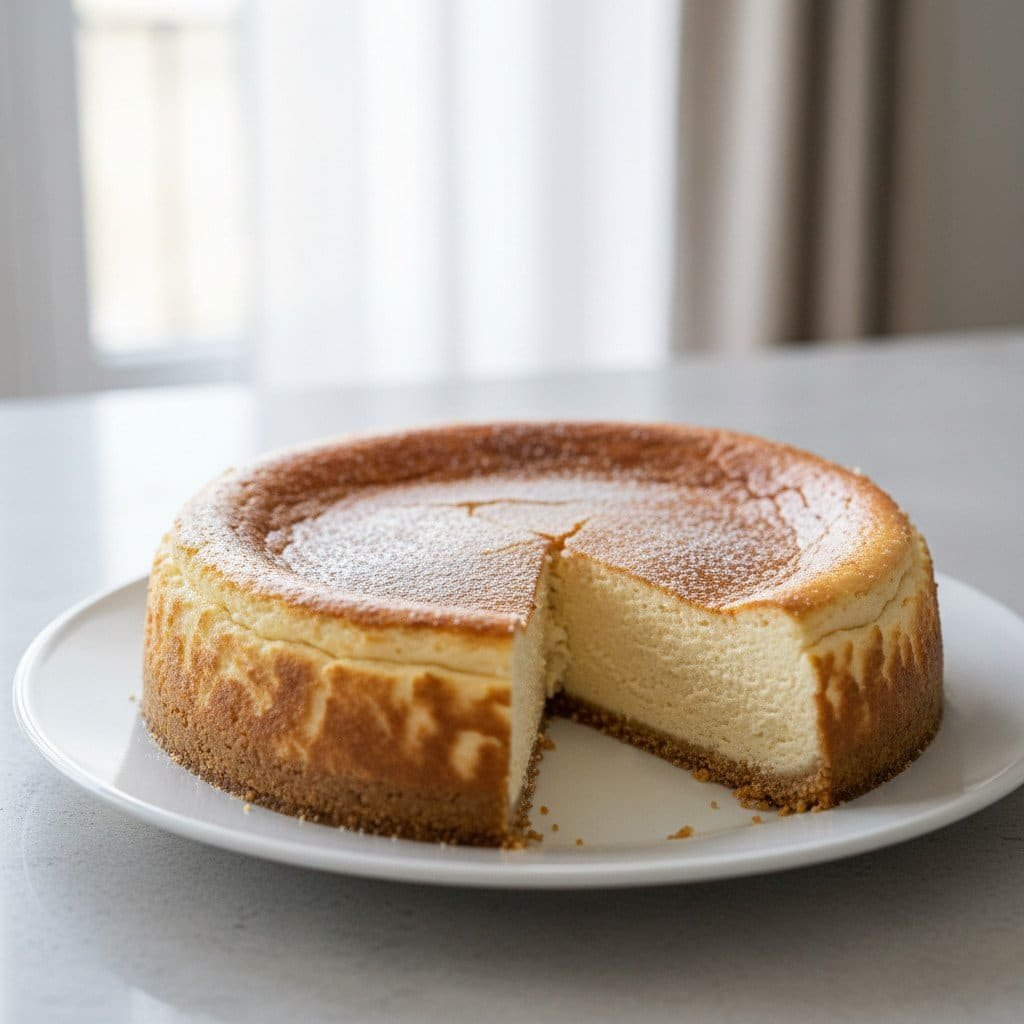
There's something truly magical about a perfectly baked classic cheesecake. This timeless dessert combines a buttery graham cracker crust with an incredibly smooth, rich, and creamy filling that melts in your mouth. Whether you're celebrating a special occasion or simply treating yourself to a homemade indulgence, this classic cheesecake recipe delivers bakery-quality results right in your own kitchen.
The beauty of this baked cheesecake lies in its simplicity. With just a handful of wholesome ingredients and a little patience, you'll create a dessert that never fails to impress. The key to achieving that signature velvety texture is using quality cream cheese at room temperature and baking the cheesecake gently in a water bath. Don't worry if you've never made one before. This easy cheesecake recipe guides you through each step with clear instructions that guarantee success.
Why This Recipe Works
This creamy cheesecake recipe has been perfected to eliminate common pitfalls like cracks, uneven texture, or a soggy crust. The graham cracker base provides the perfect balance of sweetness and crunch, while the filling achieves that coveted dense yet creamy consistency that defines an authentic classic cheesecake.
Using a water bath (also called a bain-marie) ensures even, gentle heat distribution, preventing the edges from overcooking while the center sets properly. The gradual cooling process minimizes the risk of cracking, giving you a beautiful presentation every time. Plus, the ingredients are straightforward and nutrient-dense, focusing on real cream cheese, fresh eggs, and natural vanilla rather than artificial additives.
Ingredients You'll Need
For the Crust:
- 1 ¾ cups graham cracker crumbs (about 12-14 whole crackers)
- ¼ cup granulated sugar
- 6 tablespoons unsalted butter, melted
For the Filling:
- 32 ounces (four 8-ounce packages) full-fat cream cheese, softened to room temperature
- 1 ¼ cups granulated sugar
- 1 cup full-fat sour cream, room temperature
- 1 tablespoon pure vanilla extract
- 4 large eggs, room temperature
- 2 tablespoons all-purpose flour (optional, for extra stability)
Ingredient Notes and Substitutions
Cream Cheese: Always use full-fat, brick-style cream cheese for the best texture and flavor. Low-fat versions contain more water and won't create the same rich, creamy consistency. Make sure it's completely softened to avoid lumps in your batter.
Sour Cream: This ingredient adds tanginess and contributes to the ultra-smooth texture. Full-fat Greek yogurt can work as a substitute, though it will create a slightly different flavor profile.
Eggs: Room temperature eggs incorporate more smoothly into the batter. Cold eggs can cause the cream cheese to firm up and create lumps. Simply place your eggs in warm water for 5-10 minutes before using.
Graham Crackers: Choose whole grain graham crackers when possible for added fiber and nutrients. You can also substitute with digestive biscuits or vanilla wafer crumbs for a different flavor.
Sugar: While this recipe uses granulated sugar, you can replace up to half with coconut sugar for a slightly more nutrient-dense option with a hint of caramel flavor.
Step-by-Step Instructions
Prepare Your Pan
Preheat your oven to 325°F (163°C). Wrap the outside of a 9-inch springform pan with two layers of heavy-duty aluminum foil, covering the bottom and extending up the sides. This prevents water from seeping in during the water bath. Grease the inside of the pan lightly with butter.
Make the Crust
In a medium bowl, combine graham cracker crumbs, ¼ cup sugar, and melted butter. Mix until the texture resembles wet sand and holds together when pressed. Pour the mixture into your prepared pan and press firmly into an even layer across the bottom and about 1 inch up the sides. Use the bottom of a measuring cup to pack it down firmly. Bake for 10 minutes, then remove and let cool while you prepare the filling.
Prepare the Filling
In a large mixing bowl or stand mixer, beat the softened cream cheese on medium-low speed for 2-3 minutes until completely smooth and creamy with no lumps. Scrape down the sides frequently. Add the sugar and beat for another 2 minutes until well combined and fluffy.
Add the sour cream and vanilla extract, mixing on low speed just until incorporated. Add the flour if using, and mix briefly. Add the eggs one at a time, mixing on the lowest speed after each addition just until the yellow disappears. Avoid overmixing once the eggs are added, as this incorporates too much air and can cause cracks.
Bake the Cheesecake
Pour the filling over the cooled crust and smooth the top with a spatula. Gently tap the pan on the counter a few times to release any air bubbles.
Place the springform pan inside a larger roasting pan. Carefully pour hot water into the roasting pan until it reaches about halfway up the sides of the springform pan. This water bath creates a humid environment and gentle, even heat.
Bake for 55-70 minutes. The cheesecake is done when the edges are set but the center still jiggles slightly (about a 2-3 inch circle in the middle). It will continue cooking as it cools. The internal temperature should reach 150°F.
Cool Properly
Turn off the oven and crack the door open about 4 inches. Let the cheesecake sit in the cooling oven for 1 hour. This gradual temperature change prevents cracking. After an hour, remove the cheesecake from the water bath and remove the foil. Let it cool on a wire rack to room temperature, about 2 hours.
Once completely cool, cover the pan with plastic wrap and refrigerate for at least 6 hours or overnight. This chilling time is essential for the texture to set properly and the flavors to develop.
Serving Suggestions
This classic cheesecake is delicious on its own, but you can elevate it with various toppings and accompaniments. Serve slices with fresh berries like strawberries, blueberries, or raspberries for a pop of color and a boost of antioxidants. A simple berry compote made by simmering fresh or frozen berries with a touch of honey creates a beautiful and flavorful topping.
For a more decadent presentation, drizzle slices with homemade caramel sauce or a dark chocolate ganache. Whipped cream adds a light, airy contrast to the dense, creamy filling. A dusting of cocoa powder or a sprinkle of lemon zest can also provide an elegant finishing touch.
When serving, use a sharp knife dipped in hot water and wiped clean between each slice for the cleanest cuts. Let slices sit at room temperature for about 10-15 minutes before serving for the best flavor and texture.
Variations to Try
Chocolate Cheesecake: Add ¾ cup melted and cooled dark chocolate to the cream cheese mixture for a rich chocolate version.
Lemon Cheesecake: Add 2 tablespoons fresh lemon zest and 2 tablespoons lemon juice to the filling for a bright, citrusy twist.
Vanilla Bean: Replace vanilla extract with the seeds from 2 vanilla beans for an extra luxurious vanilla flavor.
Nut Crust: Replace half the graham cracker crumbs with finely ground almonds or pecans for added protein and healthy fats.
Swirl Variation: Reserve ½ cup of filling and mix with 2 tablespoons of fruit jam or nut butter. Drop spoonfuls over the plain filling and swirl with a knife before baking.
Storage Instructions
Store your baked cheesecake covered in the refrigerator for up to 5 days. The flavor actually improves after a day or two as it continues to set and the flavors meld together.
For longer storage, cheesecake freezes beautifully. Wrap individual slices or the whole cheesecake (without toppings) tightly in plastic wrap, then in aluminum foil. Freeze for up to 3 months. Thaw overnight in the refrigerator before serving. Add any fresh toppings after thawing.
Troubleshooting Tips
Cracks on Top: This usually happens from overbaking, too much air in the batter, or cooling too quickly. Follow the water bath method and gradual cooling process to prevent this. If cracks do appear, simply cover them with toppings.
Soggy Crust: Make sure to bake the crust before adding the filling, and ensure your foil wrapping is secure to prevent water from leaking in.
Lumpy Texture: This comes from cold ingredients or overmixing. Always use room temperature cream cheese, eggs, and sour cream, and mix just until combined.
Sunken Center: This indicates underbaking. The center should still jiggle slightly when done, but if it's too liquidy, it needs more time.
Nutrition Insights
While cheesecake is certainly an indulgent dessert, this recipe uses whole-food ingredients that provide some nutritional benefits. Cream cheese and eggs offer protein and calcium, important for bone health and muscle maintenance. The eggs also provide vitamins A, D, and B12.
To make this recipe slightly lighter without sacrificing too much richness, you can use ⅔ full-fat cream cheese and ⅓ Neufchâtel cheese (about one-third less fat). However, for the most authentic classic cheesecake experience, the full-fat version delivers unmatched flavor and texture.
One slice (1/12 of the cheesecake) contains approximately 380-420 calories, making it a treat to enjoy mindfully on special occasions. Pairing it with fresh fruit adds fiber, vitamins, and antioxidants while helping balance the richness.
Why Homemade Is Better
Making your own creamy cheesecake at home allows you to control exactly what goes into your dessert. Store-bought versions often contain preservatives, artificial flavors, and stabilizers. This homemade version relies on simple, recognizable ingredients for pure, authentic flavor.
The process of making cheesecake from scratch is also surprisingly therapeutic. There's something deeply satisfying about creating such an impressive dessert with your own hands. Plus, your kitchen will smell absolutely amazing while it bakes.
Final Thoughts
This classic cheesecake recipe is a fundamental skill every home baker should master. Once you've made it a few times, you'll develop an intuition for the process and can begin experimenting with your own creative variations. The combination of the crunchy graham cracker crust and silky smooth filling creates a perfect balance of textures and flavors that has made cheesecake a beloved dessert for generations.
Whether you're making this easy cheesecake for a holiday gathering, birthday celebration, or simply because you're craving something special, it's guaranteed to be the star of the table. The recipe may take some time from start to finish, but most of that is hands-off cooling and chilling. The actual preparation is straightforward and absolutely worth the effort.
So gather your ingredients, set aside an afternoon, and treat yourself to the pleasure of creating a bakery-worthy baked cheesecake in your own kitchen. Your friends and family will be amazed, and you'll have a new signature dessert to be proud of. Happy baking!
Classic Cheesecake Recipe (Rich and Creamy)
A smooth baked cheesecake with a buttery graham cracker crust and rich classic flavor that always impresses.
Ingredients
- 1 1/2 cups graham cracker crumbs
- 1/4 cup granulated sugar
- 6 tablespoons unsalted butter, melted
- 32 ounces cream cheese, softened
- 1 cup granulated sugar
- 1 teaspoon vanilla extract
- 4 large eggs
- 1 cup sour cream
- 1/4 cup all-purpose flour
Instructions
- Preheat oven to 325 degrees F. Grease a 9-inch springform pan.
- In a medium bowl, combine graham cracker crumbs, 1/4 cup sugar, and melted butter. Press mixture firmly into the bottom of the prepared pan.
- In a large bowl, beat cream cheese until smooth and fluffy, about 2-3 minutes.
- Add 1 cup sugar and vanilla extract to cream cheese and beat until well combined.
- Add eggs one at a time, beating well after each addition.
- Mix in sour cream and flour until just combined. Do not overmix.
- Pour filling over the crust and smooth the top.
- Bake for 55-60 minutes, until the edges are set but the center still jiggles slightly.
- Turn off oven and crack the door open. Let cheesecake cool in oven for 1 hour.
- Remove from oven and cool completely at room temperature.
- Refrigerate for at least 4 hours or overnight before serving.
- Run a knife around the edges and remove the springform pan ring before slicing.
Equipment
- 9-inch springform pan
- Electric mixer
- Mixing bowls
- Measuring cups and spoons
- Spatula
Notes
- Make sure all ingredients are at room temperature for the smoothest texture.
- Do not overmix the batter once eggs are added to prevent cracks.
- For best results, refrigerate overnight before serving.
- Cheesecake can be stored covered in the refrigerator for up to 5 days.
- To prevent cracks, you can place a pan of water on the lower oven rack while baking.