Introduction
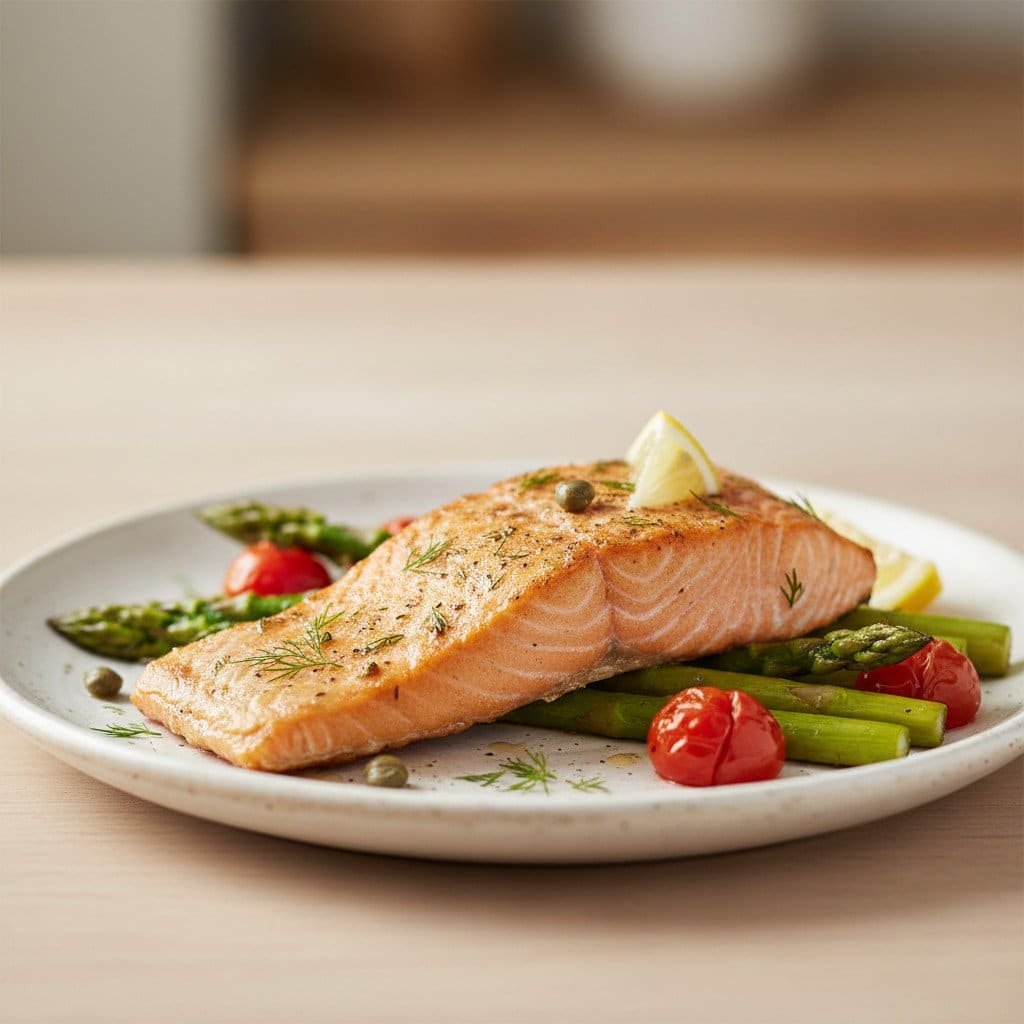
Looking for a foolproof way to prepare perfectly flaky, tender salmon? This baked salmon recipe is your answer. Whether you're a seasoned home cook or just starting your healthy eating journey, oven baked salmon is one of the simplest yet most impressive dishes you can master. With minimal prep time and maximum flavor, this easy baked salmon delivers restaurant-quality results right in your own kitchen.
Salmon is a nutritional powerhouse packed with omega-3 fatty acids, high-quality protein, and essential vitamins. This recipe keeps things simple, allowing the natural flavor of the fish to shine while creating a beautifully caramelized exterior and moist, flaky interior. Perfect for busy weeknights or special occasions, this baked salmon recipe will quickly become a staple in your meal rotation.
Why You'll Love This Baked Salmon Recipe
This oven baked salmon stands out for several compelling reasons. First, it requires just a handful of wholesome ingredients that you likely already have in your pantry. The hands-on time is minimal, making it ideal for those hectic evenings when you want something nutritious without spending hours in the kitchen.
The cooking method is incredibly forgiving. Unlike pan-searing, which requires constant attention, baking salmon in the oven gives you the freedom to prepare side dishes while your protein cooks to perfection. The result is consistently tender, never dry, with a delicate texture that melts in your mouth.
From a health perspective, this salmon recipe checks all the boxes. It's naturally gluten-free, dairy-free (unless you choose to add butter), and loaded with heart-healthy fats. The omega-3 fatty acids in salmon support brain function, reduce inflammation, and promote cardiovascular health. With approximately 40 grams of protein per serving, this dish will keep you satisfied for hours.
Ingredient Notes
Wild-Caught Salmon: Whenever possible, choose wild-caught salmon over farmed varieties. Wild salmon typically contains higher levels of omega-3s and fewer contaminants. Look for Alaskan sockeye, coho, or king salmon for the best flavor and nutritional profile. Fresh salmon should smell like the ocean, not fishy, and have firm, glossy flesh.
Extra Virgin Olive Oil: This healthy fat helps the seasonings adhere to the fish while promoting even browning. Olive oil contains monounsaturated fats and antioxidants that complement salmon's omega-3s beautifully.
Fresh Lemon: Citrus brightens the rich flavor of salmon and helps cut through any fishiness. The acidity also helps tenderize the protein slightly. Both the juice and zest add vibrant flavor without extra calories.
Garlic: Fresh minced garlic provides aromatic depth and contains compounds with anti-inflammatory properties. If you're short on time, garlic powder works in a pinch, though fresh is always preferred.
Fresh Herbs: Dill, parsley, or thyme pair exceptionally well with salmon. These herbs add complexity and freshness while providing additional micronutrients and antioxidants.
Sea Salt and Black Pepper: Simple seasonings allow the salmon's natural flavor to take center stage. Sea salt contains trace minerals absent in regular table salt.
Health Benefits of Salmon
Salmon deserves its reputation as one of the healthiest proteins available. A single serving provides nearly a full day's worth of vitamin D, which supports bone health, immune function, and mood regulation. This is particularly valuable since many people are deficient in this crucial nutrient.
The omega-3 fatty acids EPA and DHA found abundantly in salmon are essential fats your body cannot produce on its own. These compounds support cognitive function, may reduce the risk of depression, and help maintain healthy cholesterol levels. Regular salmon consumption has been linked to reduced inflammation throughout the body.
Beyond healthy fats, salmon delivers an impressive array of B vitamins, including B12, niacin, and B6, which support energy metabolism and nervous system function. The selenium in salmon acts as a powerful antioxidant, protecting cells from damage and supporting thyroid health.
The high-quality protein in this baked salmon recipe provides all essential amino acids needed for muscle maintenance, tissue repair, and enzyme production. Unlike some protein sources, salmon is easily digestible and gentle on the digestive system.
Step-by-Step Instructions
Preparation: Begin by preheating your oven to 400°F (200°C). This temperature is ideal for baked salmon, hot enough to create a beautiful exterior while keeping the inside moist and tender. Line a baking sheet with parchment paper or lightly oil it to prevent sticking.
Season the Salmon: Pat the salmon fillets completely dry with paper towels. This step is crucial for achieving good browning. Place the fillets skin-side down on your prepared baking sheet. Drizzle each fillet with extra virgin olive oil, using about one teaspoon per fillet. Rub the oil evenly over the surface.
Add Aromatics: Sprinkle minced garlic over each fillet, followed by your chosen fresh herbs. Season generously with sea salt and freshly cracked black pepper. Squeeze fresh lemon juice over the top, and if desired, place thin lemon slices directly on the fish for extra citrus flavor.
Baking Time: Transfer the baking sheet to your preheated oven. For fillets that are one inch thick, bake for 12-15 minutes. The general rule for baked salmon is to cook for 4-6 minutes per half-inch of thickness. Your salmon is perfectly done when it reaches an internal temperature of 145°F and flakes easily with a fork. The flesh should be opaque and slightly translucent in the very center.
Resting: Remove the salmon from the oven and let it rest for 2-3 minutes before serving. This allows the juices to redistribute throughout the fish, ensuring maximum moisture and flavor.
Tips for Perfect Baked Salmon
Don't Overcook: The most common mistake with salmon is overcooking, which results in dry, chalky fish. Remember that salmon continues cooking slightly after you remove it from the oven due to residual heat. It's better to slightly undercook than overcook.
Even Thickness: If your fillets vary significantly in thickness, consider folding the thinner tail portion under itself to create more uniform thickness. This ensures even cooking throughout.
Room Temperature: Allow your salmon to sit at room temperature for 15-20 minutes before baking. Cold fish straight from the refrigerator will cook unevenly, with an overdone exterior and underdone center.
Use a Thermometer: Investing in an instant-read thermometer takes the guesswork out of cooking salmon. Aim for 145°F for fully cooked salmon, or 125-130°F if you prefer a slightly more translucent center.
Quality Matters: The quality of your salmon dramatically affects the final result. Fresh, high-quality fish needs minimal seasoning and will taste significantly better than older or lower-grade options.
Recipe Variations
Mediterranean Style: Top your salmon with sun-dried tomatoes, Kalamata olives, capers, and fresh oregano before baking. Finish with crumbled feta cheese if you include dairy in your diet.
Asian-Inspired: Create a glaze using coconut aminos, fresh ginger, minced garlic, and a touch of raw honey. Garnish with sesame seeds and sliced green onions after baking.
Herb-Crusted: Mix fresh chopped herbs (parsley, dill, chives) with almond flour and a bit of Dijon mustard. Press this mixture onto the salmon before baking for a flavorful crust.
Spicy Version: Add cayenne pepper, smoked paprika, and a pinch of cumin to your seasoning blend for a kick of heat that pairs beautifully with the rich fish.
Maple-Mustard: Whisk together pure maple syrup, whole grain mustard, and minced garlic. Brush over the salmon halfway through baking for a sweet and tangy glaze.
Serving Suggestions
This easy baked salmon pairs beautifully with countless healthy side dishes. For a complete nutrient-dense meal, serve alongside roasted vegetables like asparagus, Brussels sprouts, or broccoli. The high heat of roasting caramelizes the vegetables' natural sugars, creating delicious flavor that complements the salmon perfectly.
Cauliflower rice makes an excellent low-carb base that soaks up any flavorful juices from the fish. For those wanting more substantial carbohydrates, quinoa or wild rice provides fiber, protein, and a nutty flavor that doesn't compete with the salmon.
A fresh green salad with mixed greens, cucumber, cherry tomatoes, and a light lemon vinaigrette adds crunch and freshness to balance the rich fish. Consider adding avocado slices for extra healthy fats and creamy texture.
For a Mediterranean-inspired plate, serve your baked salmon over a bed of sautéed spinach with garlic and a side of roasted sweet potato wedges. The combination provides a rainbow of nutrients and satisfying variety of textures.
Leftover salmon is incredibly versatile. Flake it over salads, mix it into grain bowls, or use it to top zucchini noodles with pesto. It also makes an excellent protein addition to breakfast scrambles or frittatas.
Storage and Meal Prep
Properly stored, cooked salmon remains fresh in the refrigerator for up to three days. Allow the fish to cool completely before transferring it to an airtight container. When reheating, be gentle to avoid drying it out. The best method is to reheat in a 275°F oven for about 15 minutes, or enjoy it cold in salads.
For meal prep purposes, this baked salmon recipe works wonderfully. You can season the raw fillets up to 24 hours in advance, keeping them covered in the refrigerator until you're ready to bake. Alternatively, bake several fillets at once and portion them into containers with your chosen sides for grab-and-go meals throughout the week.
Freezing cooked salmon is possible, though the texture may become slightly softer upon thawing. Wrap individual portions tightly in plastic wrap, then place in freezer bags, removing as much air as possible. Frozen cooked salmon keeps for up to three months. Thaw overnight in the refrigerator before consuming.
If you purchase fresh salmon but won't use it within two days, freeze it raw instead. Wrap tightly and freeze for up to three months. Thaw in the refrigerator overnight before preparing this recipe.
Common Questions
Can I use frozen salmon? Absolutely. Thaw it completely in the refrigerator overnight, then pat very dry before seasoning. Frozen salmon may release more moisture during cooking, so expect slightly longer cooking times.
Should I remove the skin? The skin helps hold the fillet together during cooking and can be easily removed after baking if you prefer not to eat it. Some people enjoy crispy salmon skin for its texture and additional omega-3s.
What if I only have thin fillets? Reduce the cooking time accordingly. Thin fillets may only need 8-10 minutes. Check early and often to prevent overcooking.
Can I bake salmon from frozen? While not ideal, you can bake frozen salmon. Rinse it under cold water, pat dry, and increase the cooking time by about 50%. The texture won't be quite as good as properly thawed salmon.
Conclusion
This baked salmon recipe proves that healthy eating doesn't have to be complicated or time-consuming. With simple ingredients, minimal hands-on time, and foolproof technique, you can create a restaurant-quality meal that nourishes your body and delights your taste buds. The versatility of this oven baked salmon means you'll never get bored, with endless variations to explore and side dishes to pair.
Whether you're cooking for one or feeding a family, this easy baked salmon scales beautifully and consistently delivers impressive results. The nutritional benefits alone make it worth incorporating into your regular rotation, but the delicious flavor and tender texture will keep you coming back week after week. Master this basic technique, and you'll have a reliable, healthy dinner solution that takes less than 30 minutes from start to finish.
Baked Salmon Recipe
This baked salmon is flaky, tender, and great for an easy family dinner.
Ingredients
- 4 salmon fillets (6 ounces each)
- 2 tablespoons olive oil
- 1 teaspoon garlic powder
- 1 teaspoon paprika
- 1/2 teaspoon salt
- 1/4 teaspoon black pepper
- 1 lemon, sliced
- Fresh parsley for garnish
Instructions
- Preheat oven to 400 degrees F and line a baking sheet with parchment paper.
- Pat salmon fillets dry with paper towels and place them on the prepared baking sheet.
- Brush each fillet with olive oil.
- In a small bowl, combine garlic powder, paprika, salt, and black pepper.
- Sprinkle the seasoning mixture evenly over the salmon fillets.
- Top each fillet with lemon slices.
- Bake for 12-15 minutes, or until salmon flakes easily with a fork and reaches an internal temperature of 145 degrees F.
- Remove from oven and garnish with fresh parsley.
- Serve immediately.
Equipment
- Baking sheet
- Parchment paper
- Small bowl
- Brush
- Meat thermometer
Notes
- Salmon is done when it flakes easily with a fork and reaches 145 degrees F internal temperature.
- For crispier edges, broil for the last 2 minutes of cooking.
- Leftover salmon can be stored in an airtight container in the refrigerator for up to 3 days.
- Serve with roasted vegetables, rice, or a fresh salad.