Introduction
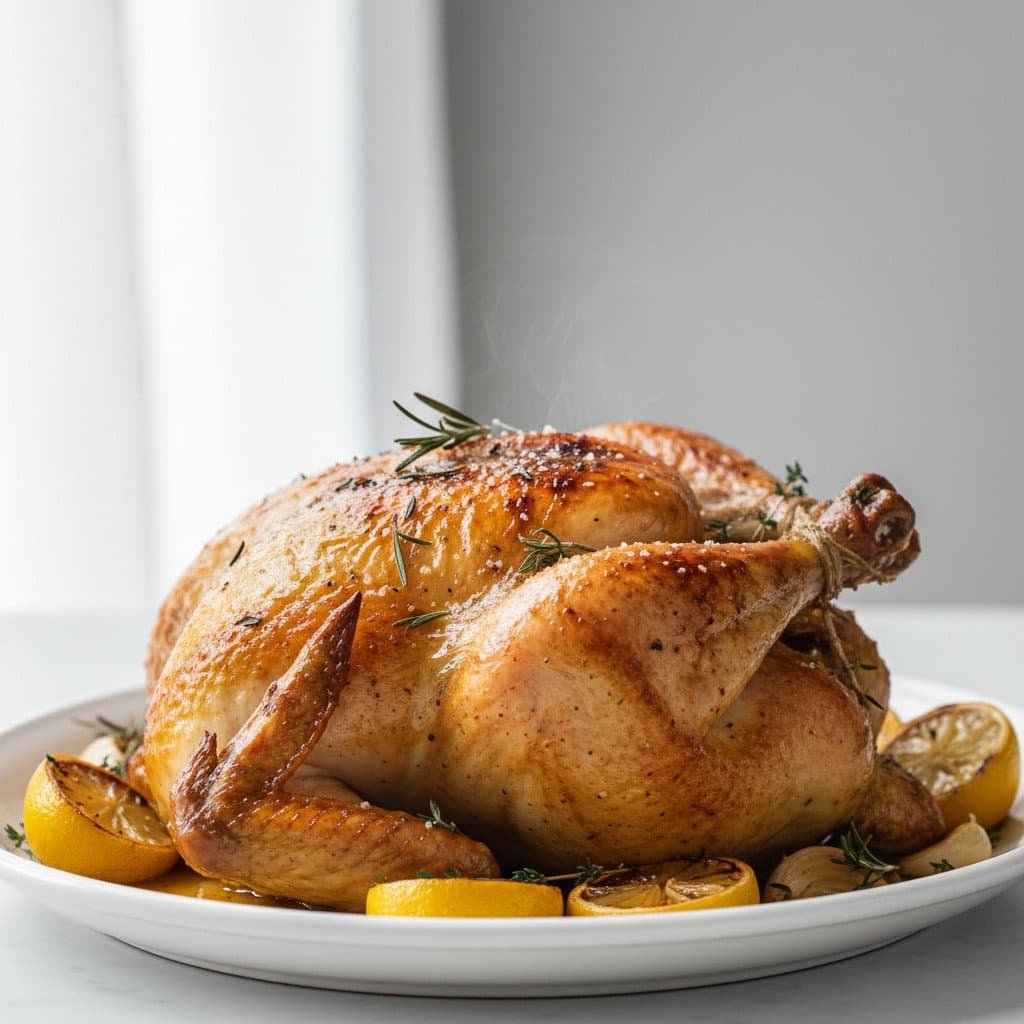
There's something timeless about a perfectly roasted chicken. The golden, crispy skin, the tender and juicy meat, and the incredible aroma that fills your kitchen make this dish a cornerstone of home cooking. Whether you're preparing a Sunday family dinner or meal prepping for the week ahead, mastering a whole roast chicken recipe is an essential skill that will serve you for years to come.
This easy roast chicken recipe delivers restaurant-quality results with minimal effort. Using simple, wholesome ingredients and straightforward techniques, you'll create a nutrient-dense meal that's both satisfying and nourishing. The best part? A single roasted chicken provides multiple meals, making it an economical choice for busy households.
Oven roasted chicken isn't just delicious; it's also incredibly versatile. The leftovers can be transformed into salads, soups, sandwiches, and more. Plus, you can save the bones to make homemade bone broth, maximizing nutrition and minimizing waste.
Why This Roast Chicken Recipe Works
This roast chicken recipe succeeds because it focuses on three key elements: proper seasoning, correct temperature, and adequate resting time. By generously seasoning both the outside and inside of the bird, you ensure flavor penetrates throughout. Roasting at the right temperature creates that coveted crispy skin while keeping the meat moist and tender.
The technique of starting with a room-temperature chicken helps it cook more evenly, preventing dry breast meat while ensuring the thighs reach a safe temperature. Adding aromatics like fresh herbs, garlic, and lemon inside the cavity infuses subtle flavors throughout the cooking process.
Unlike complicated recipes that require constant basting or multiple temperature changes, this straightforward approach lets the oven do the work. You'll achieve consistent, reliable results every single time.
Ingredients You'll Need
For the Chicken:
- 1 whole chicken (4-5 pounds), preferably organic or pasture-raised
- 3 tablespoons olive oil or melted ghee
- 2 teaspoons sea salt
- 1 teaspoon black pepper
- 1 teaspoon garlic powder
- 1 teaspoon onion powder
- 1 teaspoon dried thyme
- 1/2 teaspoon paprika
For the Cavity:
- 1 lemon, halved
- 1 head of garlic, halved crosswise
- 4-5 sprigs fresh thyme or rosemary
- 1 small onion, quartered
Ingredient Notes and Substitutions
Chicken Quality: Whenever possible, choose organic, pasture-raised, or free-range chicken. These birds typically have better flavor, texture, and nutritional profiles compared to conventionally raised poultry. They're higher in omega-3 fatty acids and contain fewer antibiotics and hormones.
Healthy Fats: Olive oil works beautifully for roasting, but you can also use avocado oil, melted ghee, or grass-fed butter. These healthy fats help crisp the skin and add richness while providing fat-soluble vitamins.
Fresh vs. Dried Herbs: While this recipe uses dried thyme in the rub for convenience, fresh herbs in the cavity add wonderful aromatic qualities. Feel free to experiment with rosemary, sage, or oregano based on your preferences.
Aromatics: The lemon, garlic, and onion aren't meant to be eaten but rather to perfume the chicken from within. They release moisture and flavor compounds during roasting that make the meat more flavorful.
Step-by-Step Instructions
Preparation:
Remove the chicken from the refrigerator 30-45 minutes before cooking to bring it to room temperature. This ensures even cooking throughout. Pat the chicken completely dry with paper towels, both inside and out. Moisture is the enemy of crispy skin, so take your time with this step.
Seasoning:
Preheat your oven to 425°F (220°C). In a small bowl, combine the salt, pepper, garlic powder, onion powder, dried thyme, and paprika. Rub the olive oil all over the chicken, including under the skin if possible. This creates a barrier that helps the seasonings stick and promotes browning.
Generously season the entire chicken with your spice mixture, making sure to coat all surfaces. Don't forget to season inside the cavity as well. The salt will help draw out moisture from the skin, contributing to crispiness, while also seasoning the meat throughout.
Stuffing the Cavity:
Place the lemon halves, garlic halves, fresh herb sprigs, and onion quarters inside the cavity. These aromatics will steam from the inside, infusing the meat with subtle flavor. You can tie the legs together with kitchen twine for a more compact shape, though this is optional.
Roasting:
Place the chicken breast-side up in a roasting pan or cast-iron skillet. Position it in the center of the preheated oven. Roast for approximately 60-75 minutes, depending on the size of your bird. The general rule is about 20 minutes per pound.
The chicken is done when an instant-read thermometer inserted into the thickest part of the thigh (without touching bone) reads 165°F (74°C). The juices should run clear when you pierce the thigh, and the legs should wiggle easily in their sockets.
Resting:
This is perhaps the most crucial step that many home cooks skip. Once the chicken reaches temperature, remove it from the oven and tent it loosely with aluminum foil. Let it rest for 15-20 minutes before carving. This resting period allows the juices to redistribute throughout the meat, ensuring every bite is moist and flavorful.
Tips for the Perfect Roast Chicken
Dry Skin is Key: For the crispiest skin possible, you can even refrigerate the seasoned chicken uncovered for several hours or overnight. This dries out the skin further, leading to exceptional crispiness when roasted.
Use a Meat Thermometer: Guessing doneness by time alone is unreliable. Invest in a good instant-read thermometer to ensure perfectly cooked chicken every time without overcooking.
Don't Overcrowd: Make sure there's space around the chicken in your roasting pan. This allows hot air to circulate properly, promoting even browning and cooking.
Save the Drippings: The pan drippings are liquid gold. Use them to make a simple pan sauce, or save them for cooking vegetables or making gravy later in the week.
Rotate if Needed: If your oven has hot spots, rotate the pan halfway through cooking for more even browning.
Serving Suggestions
This whole roast chicken pairs beautifully with countless healthy side dishes. Serve it alongside roasted vegetables like Brussels sprouts, carrots, sweet potatoes, or broccoli. The vegetables can even roast in the same pan, absorbing the delicious chicken drippings.
For a lighter option, serve sliced chicken over a fresh green salad with a lemon vinaigrette. The warm chicken contrasts wonderfully with crisp greens and creates a satisfying yet light meal.
Classic comfort food pairings include mashed cauliflower, quinoa pilaf, or wild rice. These nutrient-dense sides complement the rich flavors of the roasted chicken while adding fiber and additional vitamins to your meal.
Consider making it the centerpiece of a Mediterranean-inspired feast with roasted garlic, sautéed greens, and a cucumber-tomato salad. The simple preparation of the chicken allows it to shine alongside bold, fresh flavors.
Don't forget to save every scrap. The carcass makes incredible bone broth, packed with collagen, minerals, and amino acids that support gut health, joint function, and immune system strength.
Variations and Flavor Options
Herb-Crusted: Mix fresh chopped herbs like parsley, thyme, rosemary, and sage with softened butter or ghee. Carefully separate the skin from the breast meat and spread this mixture underneath for incredibly flavorful, moist meat.
Citrus-Infused: Use oranges, limes, or grapefruits instead of lemon in the cavity. Each citrus variety offers a unique aromatic quality that subtly flavors the meat.
Spice-Rubbed: Create a warming spice blend with cumin, coriander, turmeric, and a pinch of cayenne for a Middle Eastern-inspired version. This pairs beautifully with tahini sauce and roasted vegetables.
Mediterranean Style: Add olives, sun-dried tomatoes, and plenty of fresh oregano to the cavity. Rub the outside with olive oil infused with additional herbs.
Asian-Inspired: Create a rub using ginger powder, five-spice powder, and garlic. Stuff the cavity with ginger slices, scallions, and star anise for an aromatic twist.
Storage and Meal Prep
Properly stored, leftover roast chicken will keep in the refrigerator for 3-4 days. Remove the meat from the bones and store it in airtight containers. Keep light and dark meat separate if you prefer, as they have slightly different textures and uses.
For longer storage, roast chicken freezes exceptionally well for up to 3 months. Portion it into meal-sized containers before freezing for easy thawing. Frozen chicken works perfectly in soups, casseroles, and stir-fries.
The carcass should be used for bone broth within 2 days, or frozen for later use. Simply place the bones in a large pot with vegetables and water, simmer for several hours, and you'll have nutritious, flavorful broth.
Leftover chicken can be transformed into countless meals throughout the week: chicken salad, tacos, grain bowls, pasta dishes, pizza topping, or added to vegetable soups for extra protein.
Nutritional Benefits
Chicken is an excellent source of high-quality protein, providing all essential amino acids your body needs for muscle maintenance, enzyme production, and countless other functions. A 4-ounce serving of roasted chicken breast provides approximately 35 grams of protein with minimal fat.
Dark meat, while slightly higher in fat, contains more iron, zinc, and B vitamins than white meat. The fat in chicken, especially from pasture-raised birds, includes beneficial omega-3 fatty acids that support heart and brain health.
Chicken is rich in selenium, a powerful antioxidant that supports thyroid function and immune health. It's also an excellent source of niacin (vitamin B3), which aids in energy metabolism and maintaining healthy skin.
The collagen and gelatin from a whole roasted chicken, especially when you make bone broth from the carcass, support joint health, improve skin elasticity, and promote gut healing. These compounds are particularly concentrated in the skin and connective tissues.
Common Questions
Should I rinse the chicken? No, rinsing is not recommended. It can spread bacteria around your kitchen through splashing. Simply pat the chicken dry with paper towels.
Can I stuff the chicken with actual stuffing? For food safety reasons, it's better to cook stuffing separately. The aromatics in this recipe add flavor without the safety concerns of traditional stuffing.
Why is my skin not crispy? The most common culprits are excess moisture and insufficient heat. Make sure to thoroughly dry the chicken and roast at a high enough temperature.
Can I use a smaller or larger chicken? Absolutely! Just adjust the cooking time accordingly. Smaller birds (3 pounds) may take 50-60 minutes, while larger ones (6+ pounds) may need 90 minutes or more.
Final Thoughts
Mastering an easy roast chicken recipe is one of the most valuable skills in any home cook's repertoire. This oven roasted chicken delivers impressive results with minimal effort, making it perfect for both weeknight dinners and special occasions. The combination of crispy, golden skin and tender, juicy meat never fails to satisfy.
By choosing quality ingredients and following these simple techniques, you'll create a meal that's not only delicious but also nutritious and economical. One chicken provides multiple meals, and the versatility of leftovers means you'll enjoy the benefits of your cooking efforts for days to come.
Whether you're new to cooking whole chickens or looking to refine your technique, this recipe provides a reliable foundation for success. The beauty of roast chicken lies in its simplicity, allowing the natural flavors to shine while providing comfort and nourishment to everyone at your table.
Roast Chicken Recipe
This roast chicken is tender, flavorful, and perfect for a classic family dinner.
Ingredients
- 1 whole chicken (4-5 pounds)
- 2 tablespoons olive oil
- 2 teaspoons salt
- 1 teaspoon black pepper
- 1 teaspoon garlic powder
- 1 teaspoon paprika
- 1 lemon, halved
- 4 sprigs fresh thyme
- 4 cloves garlic, peeled
- 1 onion, quartered
Instructions
- Preheat oven to 425 degrees F.
- Remove chicken from packaging and pat dry with paper towels.
- In a small bowl, mix together olive oil, salt, pepper, garlic powder, and paprika.
- Rub the seasoning mixture all over the chicken, including under the skin.
- Stuff the cavity with lemon halves, thyme sprigs, garlic cloves, and onion quarters.
- Tie the legs together with kitchen twine and tuck the wing tips under the body.
- Place chicken breast-side up in a roasting pan.
- Roast for 1 hour 30 minutes, or until internal temperature reaches 165 degrees F in the thickest part of the thigh.
- Remove from oven and let rest for 15 minutes before carving.
- Serve warm with pan drippings.
Equipment
- Roasting pan
- Kitchen twine
- Meat thermometer
- Small mixing bowl
- Paper towels
Notes
- Let the chicken come to room temperature for 30 minutes before roasting for more even cooking.
- Baste the chicken with pan juices halfway through cooking for extra moisture.
- Leftover chicken can be stored in the refrigerator for up to 4 days.