Introduction
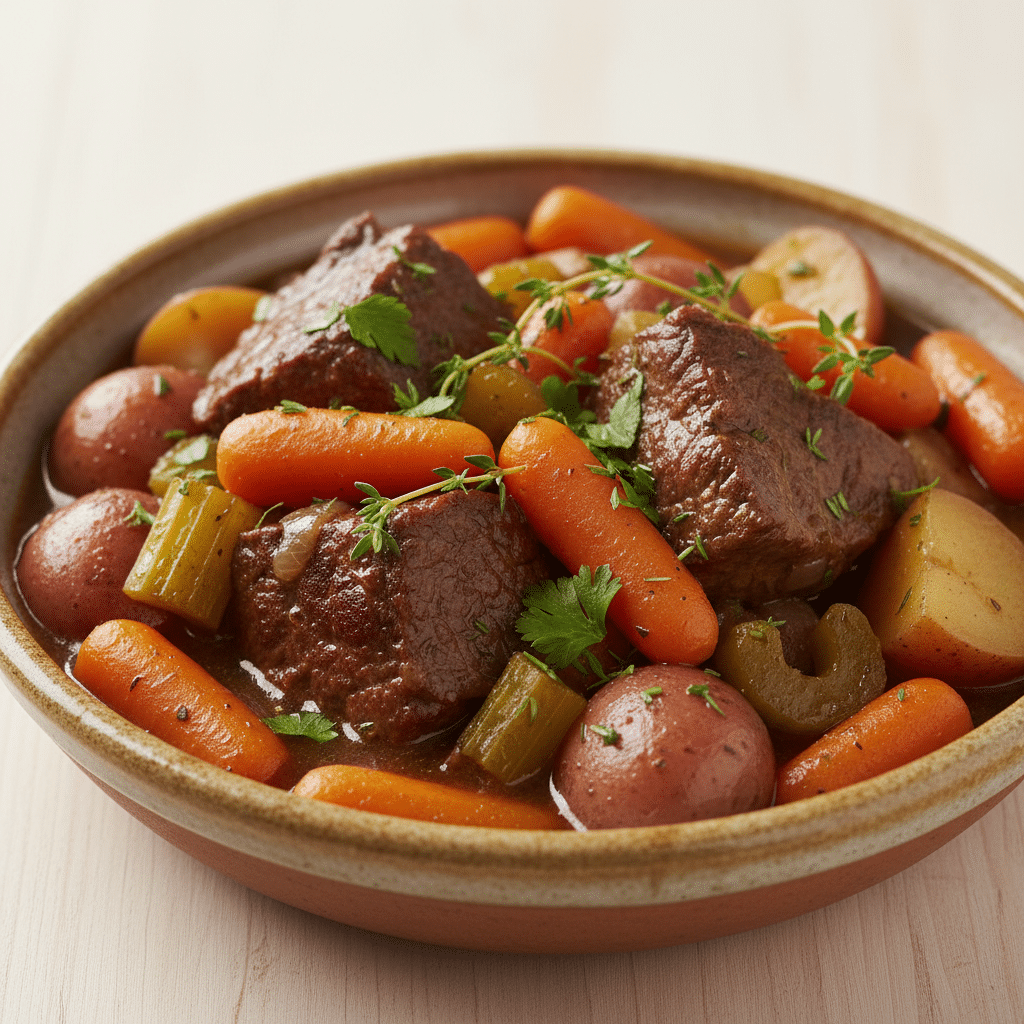
There's nothing quite like coming home to the aroma of a hearty, homemade beef stew that's been simmering away all day. This slow cooker beef stew recipe transforms simple, wholesome ingredients into a deeply satisfying meal that warms you from the inside out. Perfect for busy weeknights or lazy weekends, this crockpot beef stew requires minimal prep work while delivering maximum flavor and nutrition.
Packed with tender chunks of beef, hearty potatoes, sweet carrots, and aromatic herbs, this easy beef stew is the ultimate comfort food. The slow cooking process allows the flavors to meld beautifully while breaking down the beef into melt-in-your-mouth tender pieces. Whether you're feeding a hungry family or meal prepping for the week ahead, this recipe will quickly become your go-to winter dinner.
Why You'll Love This Recipe
This slow cooker beef stew checks all the boxes for a perfect weeknight meal. First, it's incredibly easy to prepare. Simply brown the meat, toss everything into your crockpot, and let time and low heat work their magic. No constant stirring or monitoring required.
Second, this hearty beef stew is loaded with nutrients. Grass-fed beef provides high-quality protein and essential minerals like iron and zinc. The colorful vegetables add fiber, vitamins, and antioxidants, making this a well-rounded, nourishing meal.
Third, this recipe is budget-friendly. Using affordable cuts of beef that become tender through slow cooking means you don't need to splurge on expensive meat. The simple, whole-food ingredients are accessible and economical.
Finally, the leftovers are fantastic. This stew actually tastes even better the next day as the flavors continue to develop, making it ideal for meal prep or enjoying throughout the week.
Ingredients You'll Need
For the Stew
- 2 pounds grass-fed beef chuck roast, cut into 1.5-inch cubes
- 3 tablespoons arrowroot starch or cassava flour
- 2 tablespoons avocado oil or olive oil
- 1 large yellow onion, diced
- 4 cloves garlic, minced
- 4 cups low-sodium beef bone broth
- 2 tablespoons tomato paste
- 1 tablespoon coconut aminos or tamari
- 2 teaspoons dried thyme
- 2 bay leaves
- 1 teaspoon sea salt
- 1/2 teaspoon black pepper
- 1/2 teaspoon smoked paprika
For the Vegetables
- 1.5 pounds Yukon gold potatoes, cut into 1-inch chunks
- 4 large carrots, peeled and cut into 1-inch pieces
- 3 celery stalks, chopped
- 8 ounces mushrooms, quartered (optional)
- 1 cup frozen peas (added at the end)
- Fresh parsley for garnish
Ingredient Notes and Substitutions
Beef: Chuck roast is ideal for this crockpot beef stew because it has enough marbling to stay moist during long cooking. Stew meat or beef shoulder also work well. Look for grass-fed beef when possible for better nutrient density and flavor.
Starch: Arrowroot starch or cassava flour helps thicken the stew and creates a nice coating on the beef. You can also use tapioca starch or regular all-purpose flour if preferred.
Broth: Quality bone broth adds incredible depth and provides collagen and minerals. If you don't have bone broth, regular beef stock works fine, but choose a low-sodium version so you can control the salt level.
Potatoes: Yukon gold potatoes hold their shape well during slow cooking. You can substitute with red potatoes or even sweet potatoes for a different flavor profile and added nutrients.
Coconut Aminos: This adds a subtle umami depth to the stew. If you don't have it, simply omit it or add an extra tablespoon of tomato paste.
Step-by-Step Instructions
Step 1: Prepare the Beef
Pat the beef cubes dry with paper towels. This helps them brown better. Place the arrowroot starch in a large bowl with 1/2 teaspoon salt and 1/4 teaspoon pepper. Toss the beef cubes in the mixture until evenly coated.
Step 2: Brown the Meat
Heat the avocado oil in a large skillet over medium-high heat. Working in batches to avoid overcrowding, brown the beef cubes on all sides, about 2-3 minutes per side. The beef doesn't need to be cooked through, just nicely browned. Transfer the browned beef to your slow cooker.
Step 3: Sauté the Aromatics
In the same skillet, add the diced onion and cook for 3-4 minutes until softened. Add the minced garlic and cook for another 30 seconds until fragrant. Transfer the onion and garlic to the slow cooker.
Step 4: Build the Base
Add the tomato paste, coconut aminos, thyme, bay leaves, smoked paprika, remaining salt, and pepper to the slow cooker. Pour in the beef bone broth and stir everything together.
Step 5: Add the Vegetables
Add the potatoes, carrots, celery, and mushrooms (if using) to the slow cooker. Gently stir to ensure the vegetables are submerged in the liquid.
Step 6: Slow Cook
Cover and cook on LOW for 7-8 hours or on HIGH for 4-5 hours. The stew is ready when the beef is fork-tender and the vegetables are cooked through but not mushy.
Step 7: Finish and Serve
About 10 minutes before serving, stir in the frozen peas. Remove the bay leaves. Taste and adjust seasoning with additional salt and pepper if needed. Ladle into bowls and garnish with fresh chopped parsley.
Tips for the Best Slow Cooker Beef Stew
Don't skip browning the beef: While it's tempting to skip this step, browning creates a flavorful crust and adds depth to your hearty beef stew. The caramelization makes a noticeable difference in the final dish.
Cut vegetables uniformly: Consistent sizing ensures everything cooks evenly. You want chunks large enough that they won't disintegrate during the long cooking time.
Layer strategically: Place harder vegetables like potatoes and carrots on the bottom where they'll be closer to the heat source. The beef can go on top.
Resist lifting the lid: Every time you open the slow cooker, you release heat and add 15-20 minutes to the cooking time. Trust the process and let it cook undisturbed.
Adjust thickness: If your stew is too thin at the end, mix 1 tablespoon of arrowroot starch with 2 tablespoons of cold water and stir it in. Let it cook on HIGH for 15 minutes to thicken. If it's too thick, simply add more broth.
Add delicate ingredients last: Peas, fresh herbs, and any greens should be added in the final minutes to prevent overcooking.
Serving Suggestions
This easy beef stew is a complete meal on its own, but there are plenty of delicious ways to serve it. Ladle generous portions into deep bowls and serve with crusty whole-grain bread or sourdough for dipping into the rich, savory broth. The bread is perfect for soaking up every last drop of the flavorful liquid.
For a lighter option, serve the stew over cauliflower rice or with a simple side salad dressed with lemon vinaigrette. The fresh, crisp greens provide a nice contrast to the hearty, warm stew.
You can also serve this crockpot beef stew over mashed potatoes, mashed cauliflower, or even cooked quinoa for extra substance. A dollop of Greek yogurt or a sprinkle of fresh herbs on top adds a bright finishing touch.
For family dinners, set out the slow cooker on the counter and let everyone serve themselves. Provide toppings like fresh parsley, cracked black pepper, and extra sea salt so everyone can customize their bowl.
Variations to Try
Mediterranean Style: Add 1 teaspoon dried oregano, 1 teaspoon dried rosemary, and a handful of pitted olives in the last hour of cooking.
Root Vegetable Medley: Swap some of the potatoes for parsnips, turnips, or rutabaga for a more complex flavor and additional nutrients.
Extra Greens: Stir in a few handfuls of fresh spinach or kale during the last 10 minutes for added vitamins and minerals.
Spicy Version: Add 1/2 teaspoon cayenne pepper or a diced jalapeño for a warming kick.
Herb-Forward: Use fresh herbs instead of dried. Add 3-4 sprigs of fresh thyme and a sprig of fresh rosemary, removing them before serving.
Different Proteins: While this is a beef stew recipe, you can adapt the method for lamb shoulder or even chicken thighs (though chicken requires less cooking time).
Storage and Reheating
This slow cooker beef stew stores beautifully, making it perfect for meal prep. Allow the stew to cool completely before transferring to airtight containers. Store in the refrigerator for up to 5 days.
The flavors actually deepen and improve after a day or two in the fridge, making leftovers even more delicious than the first serving. Reheat individual portions in the microwave or warm the entire batch on the stovetop over medium-low heat, stirring occasionally.
For longer storage, this hearty beef stew freezes exceptionally well. Portion into freezer-safe containers or bags, leaving some space for expansion. Freeze for up to 3 months. Thaw overnight in the refrigerator before reheating. You may need to add a splash of broth when reheating as the stew can thicken during storage.
Nutrition Highlights
This easy beef stew is as nutritious as it is delicious. Grass-fed beef provides complete protein with all essential amino acids, supporting muscle maintenance and overall health. It's also rich in vitamin B12, zinc, selenium, and highly bioavailable iron.
The colorful vegetables contribute significant amounts of fiber, which supports digestive health and helps you feel satisfied. Carrots provide beta-carotene, an antioxidant that converts to vitamin A in the body. Potatoes offer potassium, vitamin C, and resistant starch when cooled and reheated.
Using bone broth as the base adds collagen, which supports joint health, skin elasticity, and gut lining integrity. The long, slow cooking process extracts minerals from the bones, making them more bioavailable.
This winter dinner is naturally gluten-free when made with arrowroot starch or cassava flour, and it's dairy-free as well. It's a nutrient-dense meal that fits into various dietary approaches including paleo, Whole30 (with compliant ingredients), and general clean eating.
Common Questions
Can I make this on the stovetop instead? Absolutely. Brown the beef and sauté the aromatics as directed, then transfer everything to a large Dutch oven. Bring to a boil, then reduce to a gentle simmer. Cover and cook for 2-3 hours, stirring occasionally, until the beef is tender.
Why is my beef tough? It likely needs more cooking time. Beef chuck has a lot of connective tissue that needs extended cooking to break down. If your beef is tough after the recommended time, continue cooking for another hour.
Can I prep this the night before? Yes! Brown the beef and prep all the vegetables the night before. Store them separately in the refrigerator. In the morning, combine everything in the slow cooker and start cooking.
Do I have to brown the beef? While not absolutely necessary, browning significantly improves the flavor and appearance of your crockpot beef stew. It only takes 10 extra minutes and is well worth the effort.
Final Thoughts
This slow cooker beef stew recipe proves that healthy, homemade meals don't have to be complicated or time-consuming. With simple preparation and the magic of slow cooking, you can create a restaurant-quality meal that nourishes your body and satisfies your soul.
The beauty of this hearty beef stew lies in its versatility. It adapts easily to whatever vegetables you have on hand, accommodates various dietary needs, and scales up or down depending on your household size. Whether you're new to slow cooking or a seasoned pro, this recipe delivers consistent, delicious results every time.
Make a big batch this weekend and enjoy the convenience of having wholesome, ready-to-eat meals throughout your busy week. Your future self will thank you when you come home to an already-prepared dinner that tastes like you spent hours in the kitchen.
Slow Cooker Beef Stew Recipe (Hearty & Easy)
Tender beef, potatoes, and carrots simmer low and slow in a rich, savory broth for the ultimate cozy dinner.
Ingredients
- 2 pounds beef chuck roast, cut into 1-inch cubes
- 1/4 cup all-purpose flour
- 1 teaspoon salt
- 1/2 teaspoon black pepper
- 2 tablespoons olive oil
- 1 large onion, diced
- 3 cloves garlic, minced
- 4 cups beef broth
- 2 tablespoons tomato paste
- 1 tablespoon Worcestershire sauce
- 1 teaspoon dried thyme
- 2 bay leaves
- 4 large carrots, peeled and cut into 1-inch pieces
- 1 1/2 pounds potatoes, peeled and cut into 1-inch cubes
- 1 cup frozen peas
- 2 tablespoons cornstarch
- 2 tablespoons water
- Fresh parsley, chopped for garnish
Instructions
- In a large bowl, toss the beef cubes with flour, salt, and pepper until evenly coated.
- Heat olive oil in a large skillet over medium-high heat. Brown the beef in batches, about 3-4 minutes per side. Transfer browned beef to the slow cooker.
- Add diced onion and minced garlic to the slow cooker.
- In a bowl, whisk together beef broth, tomato paste, Worcestershire sauce, and dried thyme. Pour over the beef in the slow cooker.
- Add bay leaves, carrots, and potatoes to the slow cooker. Stir gently to combine.
- Cover and cook on low for 8 hours or on high for 4-5 hours, until beef is tender and vegetables are cooked through.
- About 30 minutes before serving, mix cornstarch with water to create a slurry. Stir into the stew to thicken.
- Add frozen peas and stir. Cover and cook for an additional 15-20 minutes.
- Remove bay leaves before serving. Garnish with fresh chopped parsley.
- Serve hot with crusty bread or biscuits.
Equipment
- Slow cooker
- Large skillet
- Large bowl
- Cutting board
- Sharp knife
- Measuring cups and spoons
- Whisk
Notes
- For deeper flavor, brown the beef in batches to avoid overcrowding the pan.
- You can substitute sweet potatoes for regular potatoes for a different flavor profile.
- Leftovers can be stored in an airtight container in the refrigerator for up to 4 days.
- This stew freezes well for up to 3 months. Thaw overnight in the refrigerator before reheating.
- For a thicker stew, add the cornstarch slurry earlier in the cooking process.
- Fresh herbs like rosemary or oregano can be added for extra flavor.