Introduction
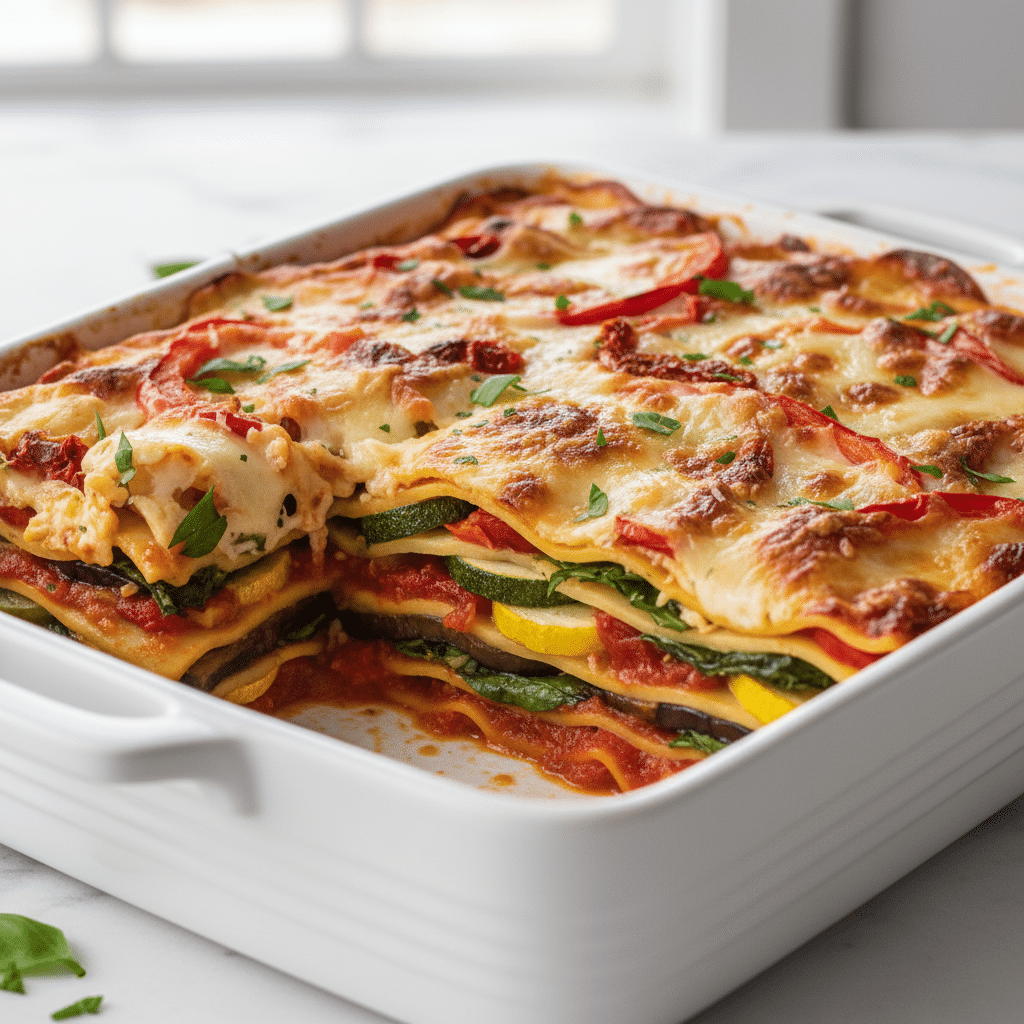
This layered Mediterranean vegetable lasagna transforms traditional comfort food into a nutrient-dense masterpiece that celebrates the vibrant flavors of the Mediterranean. Unlike heavy, meat-laden versions, this meatless lasagna showcases colorful vegetables, aromatic herbs, and layers of rich tomato sauce combined with creamy cheese filling. It's the perfect answer when you're craving healthy comfort food that satisfies both body and soul.
What makes this vegetable lasagna truly special is how it balances indulgence with nutrition. Each layer brings its own texture and flavor, from tender roasted vegetables to silky ricotta mixtures and perfectly cooked pasta sheets. Whether you're cooking for a family dinner, meal prepping for the week, or impressing guests at a gathering, this Mediterranean lasagna delivers on all fronts.
The best part? This baked pasta dish proves that eating well doesn't mean sacrificing flavor or satisfaction. It's packed with fiber, vitamins, and plant-based protein while remaining utterly delicious.
Why You'll Love This Recipe
This Mediterranean-inspired lasagna checks every box for a winning dinner recipe. First, it's incredibly versatile and forgiving, making it perfect for both beginner and experienced cooks. The vegetable layers can be customized based on what's in season or what you have on hand.
Second, this recipe is a fantastic make-ahead option. You can assemble the entire lasagna a day in advance and simply bake it when needed, making weeknight dinners stress-free. It also freezes beautifully, giving you a homemade meal ready whenever you need it.
Third, this vegetable lasagna appeals to various dietary preferences. It's naturally vegetarian, and with simple substitutions, can easily become vegan or gluten-free. Even devoted meat-eaters will find this dish hearty and satisfying thanks to the robust Mediterranean flavors and substantial vegetable layers.
Finally, it's a sneaky way to increase your vegetable intake. Each generous serving provides multiple servings of vegetables, making it an excellent choice for families looking to eat more plant-based meals.
Ingredients You'll Need
For the Vegetable Layers:
- 2 medium zucchini, sliced lengthwise into 1/4-inch strips
- 1 large eggplant, sliced into 1/4-inch rounds
- 2 red bell peppers, roasted and sliced
- 2 cups fresh spinach
- 1 cup sliced mushrooms
- 3 tablespoons olive oil
- Sea salt and black pepper to taste
For the Tomato Sauce:
- 28 oz crushed tomatoes (no sugar added)
- 3 cloves garlic, minced
- 2 tablespoons tomato paste
- 2 teaspoons dried oregano
- 1 teaspoon dried basil
- 1/2 teaspoon red pepper flakes (optional)
- Fresh basil leaves for garnish
For the Cheese Mixture:
- 15 oz ricotta cheese (whole milk or part-skim)
- 1 large egg
- 1/2 cup grated Parmesan cheese
- 2 cups shredded mozzarella cheese (divided)
- 1/4 cup fresh parsley, chopped
- 1/4 teaspoon nutmeg
Other:
- 9-12 lasagna noodles (regular or whole wheat)
- 2 tablespoons fresh basil, chopped
Ingredient Notes and Substitutions
The vegetables in this recipe are wonderfully flexible. Zucchini and eggplant form the base, but you can add or substitute yellow squash, portobello mushrooms, or thinly sliced butternut squash. Choose vegetables that hold their shape well during baking.
For the cheese mixture, full-fat ricotta creates the creamiest texture, but part-skim works beautifully if you're watching calories. If you can't find ricotta, cottage cheese blended until smooth makes an excellent high-protein alternative.
The lasagna noodles can be regular, whole wheat, or even no-boil varieties. Whole wheat adds extra fiber and nutrients, while no-boil noodles save time. You can also use gluten-free lasagna sheets for a celiac-friendly version.
For a vegan Mediterranean lasagna, replace the ricotta with cashew cream or tofu-based ricotta, use vegan mozzarella, and omit the egg (or use a flax egg for binding).
Fresh herbs elevate this dish significantly. If you have access to fresh oregano and basil, use double the amount of dried herbs called for in the recipe.
Step-by-Step Instructions
Prepare the Vegetables:
Preheat your oven to 400°F (200°C). Line two baking sheets with parchment paper. Arrange the zucchini and eggplant slices in a single layer on the prepared sheets. Brush both sides lightly with olive oil and season with salt and pepper. Roast for 20-25 minutes until tender and slightly golden, flipping halfway through. This pre-roasting step removes excess moisture and concentrates the flavors.
While the vegetables roast, sauté the mushrooms in a skillet with 1 tablespoon olive oil over medium heat for 5-7 minutes until golden and any liquid has evaporated. Set aside. Wilt the spinach in the same pan (no additional oil needed) for 2-3 minutes, then drain any excess liquid.
Make the Tomato Sauce:
In a medium saucepan, heat 1 tablespoon olive oil over medium heat. Add minced garlic and sauté for 30 seconds until fragrant but not browned. Stir in the tomato paste and cook for 1 minute to deepen the flavor. Add crushed tomatoes, oregano, basil, and red pepper flakes if using. Simmer for 15-20 minutes, stirring occasionally, until the sauce thickens slightly. Season with salt and pepper to taste.
Prepare the Cheese Mixture:
In a mixing bowl, combine ricotta cheese, egg, Parmesan, 1 cup of mozzarella, parsley, and nutmeg. Mix until well combined and creamy. This mixture should be spreadable but not runny.
Cook the Noodles:
If using regular lasagna noodles, cook according to package directions until al dente. Drain and lay flat on a clean kitchen towel to prevent sticking. If using no-boil noodles, skip this step.
Assemble the Lasagna:
Reduce oven temperature to 375°F (190°C). Spread 1 cup of tomato sauce on the bottom of a 9×13-inch baking dish. Layer 3-4 lasagna noodles over the sauce, slightly overlapping. Spread one-third of the ricotta mixture over the noodles. Add a layer of roasted eggplant, then zucchini. Drizzle with more tomato sauce.
Add another layer of noodles, another third of the ricotta mixture, the sautéed mushrooms, spinach, and roasted red peppers. Add more sauce. Finish with a final layer of noodles, the remaining ricotta mixture, and the rest of the tomato sauce. Top with the remaining 1 cup of mozzarella cheese.
Bake:
Cover the baking dish tightly with aluminum foil (spray the underside with cooking spray to prevent cheese from sticking). Bake for 35 minutes covered, then remove the foil and bake for an additional 15-20 minutes until the cheese is bubbly and golden brown. Let the lasagna rest for 15-20 minutes before slicing. This resting period allows the layers to set, making cleaner slices.
Nutrition Highlights
This vegetable lasagna offers impressive nutritional benefits that make it a standout healthy comfort food option. Each serving provides substantial amounts of vitamins A and C from the colorful bell peppers and tomatoes, supporting immune function and skin health.
The eggplant and zucchini contribute fiber and antioxidants while keeping the calorie count reasonable. These vegetables also provide important minerals like potassium and manganese. The spinach adds iron, folate, and additional fiber to support digestive health.
The cheese mixture provides high-quality protein and calcium, essential for bone health and muscle maintenance. Using whole milk ricotta adds beneficial fats that help with nutrient absorption, particularly the fat-soluble vitamins in the vegetables.
Unlike traditional meat-based lasagnas, this meatless version is lower in saturated fat while still providing satisfying protein. The Mediterranean approach to this baked pasta emphasizes plant-forward eating, which research consistently links to better heart health and longevity.
Whole wheat noodles, if used, add extra B vitamins and fiber, making this dish even more nutritionally complete.
Serving Suggestions
This Mediterranean lasagna shines as a complete meal on its own, but pairing it with complementary sides elevates the entire dining experience. Serve generous squares alongside a crisp green salad dressed with lemon vinaigrette to add freshness and cut through the richness of the cheese.
Garlic-rubbed whole grain bread or a warm baguette is perfect for soaking up any extra tomato sauce on the plate. For a more substantial spread, add roasted asparagus or green beans drizzled with olive oil and lemon juice.
A simple cucumber and tomato salad with fresh herbs and a light vinaigrette brings additional Mediterranean flair to the table. The cool, crunchy vegetables provide textural contrast to the soft, warm lasagna.
For beverages, consider sparkling water with lemon or a refreshing iced herbal tea. The bright, clean flavors complement the rich, savory lasagna beautifully.
This dish works wonderfully for various occasions. It's ideal for Sunday family dinners, potlucks, holiday gatherings, or meal prep sessions. Cut into individual portions, it reheats beautifully for quick weekday lunches.
Recipe Variations
Transform this base recipe into different flavor profiles with simple adjustments. For a Greek-inspired version, add crumbled feta cheese to the ricotta mixture and include sliced kalamata olives between the layers. Top with a sprinkle of dried oregano before baking.
Create a white lasagna by replacing the tomato sauce with a light béchamel made from butter, flour, milk, and nutmeg. This variation highlights the vegetables' natural flavors in a different way.
For added protein, incorporate white beans or chickpeas between the vegetable layers. They blend seamlessly and boost the protein content significantly.
A pesto variation adds bright, herby notes. Spread a thin layer of basil pesto between some of the layers or swirl it into the ricotta mixture before assembling.
For a heartier winter version, include roasted butternut squash, caramelized onions, and a touch of sage in the cheese mixture. This creates a warming, seasonal twist on the Mediterranean theme.
Make it spicy by adding more red pepper flakes to the sauce and including sliced jalapeños or calabrian chili peppers between layers.
Storage and Reheating Tips
Proper storage ensures this vegetable lasagna tastes fresh for days. Once completely cooled, cover the baking dish tightly with plastic wrap or transfer portions to airtight containers. Refrigerate for up to 5 days.
For freezing, this Mediterranean lasagna is exceptional. You can freeze it before or after baking. To freeze unbaked, assemble completely, cover tightly with plastic wrap and then aluminum foil, and freeze for up to 3 months. Thaw overnight in the refrigerator before baking as directed, adding 10-15 minutes to the covered baking time.
To freeze after baking, let cool completely, cut into portions, and wrap individual pieces in plastic wrap, then place in freezer bags. This method allows you to grab single servings as needed. Frozen baked portions keep well for 2-3 months.
For reheating, individual portions warm beautifully in the microwave for 2-3 minutes. For oven reheating, place portions in a baking dish, cover with foil, and warm at 350°F for 20-25 minutes until heated through.
Leftover lasagna often tastes even better the next day as the flavors meld together. The resting time allows the sauce to be absorbed more fully into the noodles.
Tips for Success
Achieving perfect lasagna layers requires a few key techniques. First, don't skip the vegetable roasting step. Pre-roasting removes excess moisture that would otherwise make your lasagna watery. Pat vegetables dry with paper towels after roasting if they seem wet.
When spreading the ricotta mixture, use an offset spatula or the back of a spoon for even distribution. You don't need to cover every millimeter perfectly; gaps will fill in as everything bakes and settles.
The resting period after baking is crucial. It might be tempting to cut into that bubbling, golden lasagna immediately, but waiting 15-20 minutes allows the layers to set properly, resulting in clean, beautiful slices instead of a saucy mess.
Use a sharp knife for cutting, and wipe it clean between slices for the neatest presentation. A thin metal spatula works best for removing the first corner piece, which is always the trickiest.
If your lasagna seems dry during assembly, add a bit more sauce. It's better to err on the side of slightly saucier, as the noodles will absorb liquid during baking.
For the most impressive presentation, sprinkle fresh basil or parsley over the top just before serving. The bright green herbs against the golden cheese create a restaurant-worthy appearance.
Frequently Asked Questions
Can I make this lasagna ahead of time?
Absolutely! This is one of the best make-ahead dishes. Assemble completely up to 24 hours in advance, cover tightly, and refrigerate. When ready to bake, let it sit at room temperature for 30 minutes, then bake as directed, possibly adding 5-10 minutes to the cooking time.
Why is my lasagna watery?
Excess moisture from vegetables is the usual culprit. Always roast or sauté vegetables first to remove moisture. Also, let the lasagna rest after baking so the liquid can be reabsorbed into the noodles.
Can I use no-boil noodles?
Yes, no-boil noodles work perfectly. Just ensure you have enough sauce, as these noodles absorb more liquid during baking. You may want to add an extra 1/2 cup of sauce to the recipe.
How do I know when it's fully cooked?
The lasagna is done when the cheese is melted and bubbly, the edges are slightly browned, and you can see the sauce bubbling around the sides. An instant-read thermometer inserted in the center should read 165°F.
Can I make this vegan?
Yes! Use cashew ricotta or tofu-based ricotta, vegan mozzarella, and nutritional yeast instead of Parmesan. Replace the egg with 2 tablespoons of ground flaxseed mixed with 6 tablespoons water.
Final Thoughts
This layered Mediterranean vegetable lasagna proves that healthy comfort food can be both nutritious and deeply satisfying. It brings together the best of Mediterranean eating with the cozy appeal of classic baked pasta, creating a dish that nourishes body and soul.
Whether you're looking to incorporate more vegetables into your diet, searching for a reliable meatless lasagna recipe, or simply want a delicious make-ahead meal, this recipe delivers. The combination of roasted vegetables, aromatic tomato sauce, and creamy cheese creates layers of flavor and texture that rival any traditional lasagna.
Best of all, this recipe invites creativity. Once you master the basic technique, you can adapt it endlessly to suit your tastes, dietary needs, and what's fresh at the market. It's the kind of recipe that becomes a trusted favorite, requested again and again by family and friends.
Recipe Card
Prep Time: 30 minutes
Cook Time: 1 hour 10 minutes
Total Time: 1 hour 40 minutes (plus 20 minutes resting)
Servings: 8-10
Cuisine: Mediterranean, Italian-inspired
Diet: Vegetarian
Ingredients:
- 2 medium zucchini, sliced lengthwise
- 1 large eggplant, sliced
- 2 red bell peppers, roasted and sliced
- 2 cups fresh spinach
- 1 cup sliced mushrooms
- 3 tablespoons olive oil
- 28 oz crushed tomatoes
- 3 cloves garlic, minced
- 2 tablespoons tomato paste
- 2 teaspoons dried oregano
- 1 teaspoon dried basil
- 15 oz ricotta cheese
- 1 large egg
Layered Mediterranean Vegetable Lasagna (Hearty & Flavorful)
A veggie-packed lasagna with Mediterranean flavors, layered sauces, and comforting baked goodness.
Ingredients
- 12 lasagna noodles
- 2 tablespoons olive oil
- 1 medium eggplant, diced
- 2 zucchini, sliced
- 1 red bell pepper, diced
- 1 yellow bell pepper, diced
- 1 medium onion, chopped
- 4 cloves garlic, minced
- 1 can (28 oz) crushed tomatoes
- 1 can (14 oz) diced tomatoes
- 2 tablespoons tomato paste
- 1 teaspoon dried oregano
- 1 teaspoon dried basil
- 1/2 teaspoon dried thyme
- Salt and pepper to taste
- 15 oz ricotta cheese
- 1 egg
- 2 cups shredded mozzarella cheese
- 1 cup grated Parmesan cheese
- 1/2 cup fresh basil, chopped
- 1/4 cup fresh parsley, chopped
- 1 cup crumbled feta cheese
- 1/2 cup sliced Kalamata olives
Instructions
- Preheat oven to 375 degrees F. Cook lasagna noodles according to package directions, drain and set aside.
- Heat olive oil in a large skillet over medium heat. Add eggplant, zucchini, bell peppers, and onion. Saute for 8-10 minutes until vegetables are tender.
- Add garlic and cook for 1 minute until fragrant. Stir in crushed tomatoes, diced tomatoes, tomato paste, oregano, basil, thyme, salt, and pepper. Simmer for 15 minutes.
- In a medium bowl, combine ricotta cheese, egg, half the Parmesan cheese, fresh basil, and parsley. Mix well.
- Spread 1 cup of vegetable sauce in the bottom of a 9x13 inch baking dish. Layer 4 lasagna noodles over the sauce.
- Spread half the ricotta mixture over noodles. Top with one-third of remaining vegetable sauce, one-third of mozzarella, and half the feta cheese and olives.
- Repeat layers: 4 noodles, remaining ricotta mixture, one-third vegetable sauce, one-third mozzarella, remaining feta and olives.
- Top with final 4 noodles, remaining vegetable sauce, remaining mozzarella, and remaining Parmesan cheese.
- Cover with aluminum foil and bake for 30 minutes. Remove foil and bake an additional 15 minutes until cheese is golden and bubbly.
- Let stand for 10-15 minutes before slicing and serving.
Equipment
- 9x13 inch baking dish
- Large skillet
- Large pot for boiling noodles
- Medium mixing bowl
- Aluminum foil
- Colander
Notes
- Can be assembled up to 24 hours ahead and refrigerated before baking.
- Freezes well for up to 3 months. Thaw overnight in refrigerator before baking.
- For a vegan version, substitute dairy-free ricotta and cheese alternatives.
- Add spinach or kale for extra greens.
- Leftover lasagna keeps refrigerated for 4-5 days.