Introduction
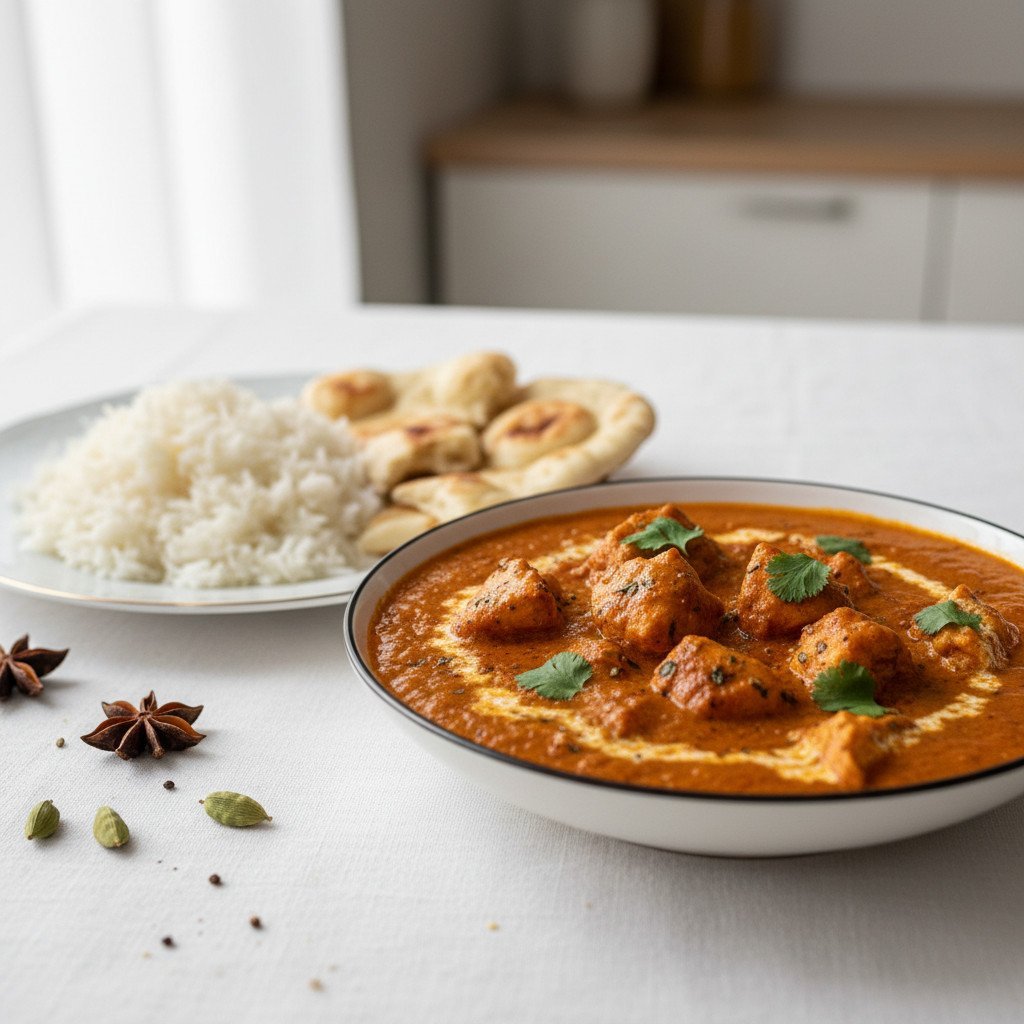
If you're craving the bold, aromatic flavors of your favorite Indian restaurant but want a healthier homemade version, this chicken tikka masala recipe is exactly what you need. This beloved dish features tender pieces of chicken marinated in yogurt and spices, then simmered in a luxuriously creamy tomato sauce that's perfectly balanced with warming spices like garam masala, cumin, and coriander.
What makes this easy tikka masala stand out is its focus on whole-food ingredients and nutrient-dense components without sacrificing any of the rich, complex flavors you expect from authentic Indian chicken curry. The marinade tenderizes the chicken while infusing it with flavor, and the sauce comes together quickly with simple pantry staples. Whether you're new to cooking Indian cuisine or a seasoned pro, this creamy chicken curry will become a regular in your dinner rotation.
Best of all, this recipe is surprisingly simple to make at home. You'll be amazed at how restaurant-quality flavors can come together in your own kitchen with just a few key ingredients and techniques.
Why This Recipe Works
This tikka masala recipe strikes the perfect balance between authentic flavor and practical home cooking. The two-step process of marinating and then simmering creates layers of flavor that make each bite irresistible.
The yogurt-based marinade does double duty by tenderizing the chicken while adding tangy depth. Greek yogurt works wonderfully here, providing protein and probiotics along with its characteristic creaminess. The spice blend in both the marinade and sauce creates a harmonious flavor profile that's warm and inviting without being overwhelming.
Using coconut cream or cashew cream instead of heavy dairy cream keeps this dish lighter while maintaining that signature velvety texture. Tomatoes provide lycopene, a powerful antioxidant, while ginger and garlic offer anti-inflammatory benefits. The result is a nutrient-dense meal that nourishes your body while satisfying your taste buds.
Ingredient Notes
Chicken: Boneless, skinless chicken thighs are ideal for this recipe because they stay moist and tender during cooking. However, chicken breast works well too if you prefer leaner meat. Cut the chicken into bite-sized pieces for even cooking and maximum sauce coverage.
Yogurt: Plain Greek yogurt is perfect for the marinade. Its thick consistency and tangy flavor help tenderize the meat while adding protein. Use full-fat for the richest flavor, but low-fat works in a pinch.
Tomatoes: Crushed tomatoes or tomato puree form the base of the sauce. Look for varieties with no added sugar or unnecessary ingredients. Fire-roasted tomatoes add an extra layer of smoky depth if you can find them.
Cream Alternative: Coconut cream creates a dairy-free version with subtle sweetness, while cashew cream (made by blending soaked cashews with water) provides richness without coconut flavor. For traditional preparation, organic heavy cream works beautifully.
Spices: Garam masala is the star spice blend here, providing warmth and complexity. Ground cumin, coriander, turmeric, and paprika round out the flavor profile. Fresh spices make a noticeable difference, so replace any that have been sitting in your pantry for over a year.
Aromatics: Fresh ginger and garlic are non-negotiable for authentic flavor. Avoid jarred versions if possible, as fresh aromatics provide the bright, pungent notes that make this indian chicken curry shine.
Healthy Fats: Ghee (clarified butter) is traditional and adds wonderful flavor, but coconut oil or avocado oil work well for dairy-free versions.
Marinade Benefits
The marinade is where the magic begins in this chicken tikka masala. Allowing the chicken to sit in the yogurt-spice mixture for at least 30 minutes (or up to 24 hours) transforms the texture and flavor of the meat.
Yogurt contains lactic acid, which gently breaks down proteins in the chicken, resulting in incredibly tender pieces that practically melt in your mouth. The longer marinating time also allows the spices to penetrate deeply into the meat, ensuring every bite is flavorful rather than just having seasoning on the surface.
The probiotics in yogurt also offer digestive benefits, making this dish easier on your stomach than cream-heavy curries. The combination of turmeric in the marinade provides anti-inflammatory properties, while the protein from both the chicken and yogurt makes this a satisfying, muscle-building meal.
For best results, don't skip the marinating step. Even 30 minutes makes a significant difference, but overnight marinating takes this tikka masala recipe to the next level.
Step-by-Step Instructions
Prepare the Marinade: In a large bowl, combine 1 cup Greek yogurt, 1 tablespoon minced ginger, 3 cloves minced garlic, 1 tablespoon lemon juice, 2 teaspoons garam masala, 1 teaspoon ground cumin, 1 teaspoon ground coriander, 1/2 teaspoon turmeric, and 1/2 teaspoon sea salt. Mix until smooth.
Marinate the Chicken: Add 1.5 pounds of cubed chicken to the marinade, stirring to coat every piece thoroughly. Cover and refrigerate for at least 30 minutes or up to 24 hours.
Cook the Chicken: Heat 2 tablespoons of ghee or coconut oil in a large skillet over medium-high heat. Remove chicken from marinade (shake off excess) and cook in batches until golden brown on all sides, about 6-8 minutes total. The chicken doesn't need to be fully cooked through at this stage. Set aside.
Build the Sauce: In the same skillet, add another tablespoon of oil if needed. Sauté 1 diced onion until softened, about 5 minutes. Add 1 tablespoon ginger and 4 cloves garlic, cooking for another minute until fragrant.
Add Spices: Stir in 2 teaspoons garam masala, 1 teaspoon ground cumin, 1 teaspoon ground coriander, 1 teaspoon paprika, and 1/4 teaspoon cayenne pepper (adjust to taste). Toast the spices for about 30 seconds.
Create the Base: Pour in one 28-ounce can of crushed tomatoes and stir well. Add 1/2 cup water or chicken broth, bring to a simmer, and cook for 10 minutes to let the flavors meld.
Blend for Smoothness: For a restaurant-style smooth sauce, use an immersion blender to puree the mixture, or carefully transfer to a regular blender and return to the pan.
Finish the Dish: Stir in 1/2 cup coconut cream or heavy cream and return the chicken to the skillet. Simmer for 10-15 minutes until the chicken is cooked through and the sauce has thickened. Taste and adjust seasoning with salt and a squeeze of lemon juice.
Garnish: Finish with fresh cilantro and serve hot.
Serving Suggestions
This creamy chicken curry is incredibly versatile when it comes to serving options. The classic pairing is with fluffy basmati rice, which soaks up the delicious sauce beautifully. For a lower-carb option, try cauliflower rice, which provides a nutrient-dense base without overwhelming the flavors of the curry.
Warm naan bread is perfect for scooping up every last bit of sauce. Look for whole wheat naan for added fiber, or try making your own for a healthier homemade version. Roti or chapati are lighter alternatives that work wonderfully too.
Add a side of cooling cucumber raita (yogurt sauce with cucumber and mint) to balance the warmth of the spices. A simple salad with mixed greens, sliced cucumbers, tomatoes, and red onion dressed with lemon juice adds freshness and crunch to the meal.
For a complete Indian-inspired feast, serve alongside other dishes like dal (lentil curry), sautéed spinach with garlic, or roasted vegetables seasoned with cumin and turmeric.
Variations and Substitutions
Protein Options: Swap chicken for firm tofu, chickpeas, or paneer cheese for vegetarian versions. Shrimp or firm white fish also work beautifully with the same sauce and cook even faster.
Spice Level: Adjust the heat by increasing or decreasing the cayenne pepper. For a milder version, omit it entirely and use sweet paprika. For more heat, add fresh chopped green chilies or a pinch of red pepper flakes.
Cream Alternatives: Besides coconut cream and cashew cream, you can use blended silken tofu for a protein boost, or even full-fat coconut milk (just use the thick cream from the top of the can).
Vegetable Additions: Stir in spinach, bell peppers, or peas during the last few minutes of cooking for extra vegetables and nutrients. Roasted cauliflower florets make an excellent addition too.
Smoky Flavor: Add 1/2 teaspoon of smoked paprika or a tiny pinch of liquid smoke to replicate the traditional tandoor oven flavor.
Instant Pot Version: Marinate the chicken as directed, then use the sauté function to brown the chicken and build the sauce. Add everything back in, seal the lid, and pressure cook on high for 8 minutes with natural release.
Storage and Meal Prep
This chicken tikka masala actually tastes even better the next day after the flavors have had time to meld together, making it perfect for meal prep. Store the cooled curry in airtight containers in the refrigerator for up to 4 days.
For longer storage, freeze the curry in portion-sized containers for up to 3 months. Leave a little space at the top of containers for expansion during freezing. Thaw overnight in the refrigerator before reheating.
To reheat, warm gently on the stovetop over medium-low heat, stirring occasionally and adding a splash of water or broth if the sauce has thickened too much. You can also microwave individual portions, though stovetop reheating preserves the texture better.
Consider marinating the chicken in advance and storing it in the freezer in the marinade. When you're ready to cook, thaw in the refrigerator overnight and proceed with the recipe. This makes weeknight dinners incredibly convenient.
For meal prep, cook the full recipe and portion it out with rice or cauliflower rice for grab-and-go lunches throughout the week.
Nutrition Highlights
This easy tikka masala provides impressive nutritional benefits beyond just incredible taste. Chicken is an excellent source of lean protein, supporting muscle maintenance and keeping you satisfied for hours. A typical serving provides 30-35 grams of protein.
The spices used in this indian chicken curry aren't just for flavor. Turmeric contains curcumin, a compound with powerful anti-inflammatory properties. Ginger aids digestion and can help reduce nausea. Garlic supports immune function and heart health.
Tomatoes are rich in lycopene, an antioxidant that's actually more bioavailable when cooked. The healthy fats from coconut cream or ghee help your body absorb fat-soluble vitamins and provide sustained energy.
Greek yogurt in the marinade adds probiotics for gut health and extra protein. By using coconut cream instead of heavy cream, you reduce saturated fat while adding medium-chain triglycerides, which are easily metabolized for energy.
When served with brown rice or whole grain naan and a side of vegetables, this becomes a well-balanced meal with protein, complex carbohydrates, healthy fats, and plenty of vitamins and minerals.
Tips for Success
Don't Skip the Browning: Taking time to properly brown the marinated chicken creates fond (those flavorful brown bits) on the bottom of the pan, which adds depth to the sauce.
Toast Your Spices: Briefly toasting the ground spices in oil before adding the tomatoes awakens their essential oils and intensifies their flavor significantly.
Use Fresh Ingredients: Fresh ginger and garlic make a world of difference compared to powdered versions. The bright, pungent flavors are essential to authentic-tasting tikka masala.
Adjust Consistency: If your sauce is too thick, thin it with a bit of chicken broth or water. If it's too thin, simmer uncovered for a few extra minutes to reduce and concentrate the flavors.
Taste and Adjust: Before serving, always taste and adjust the seasoning. A squeeze of fresh lemon juice brightens all the flavors, while a pinch of salt can make everything pop.
Rest Before Serving: Let the curry rest for 5-10 minutes after cooking. This allows the sauce to thicken slightly and the flavors to settle together.
Frequently Asked Questions
Can I make this ahead? Absolutely! This tikka masala recipe is perfect for making ahead. The flavors actually improve after sitting for a day, making it ideal for entertaining or meal prep.
Is this spicy? As written, this recipe has mild to medium heat. You can easily adjust the spice level by modifying the amount of cayenne pepper and choosing mild or hot paprika.
Can I use chicken breast? Yes, though thighs remain more tender and flavorful. If using breast meat, be careful not to overcook it, and consider pounding it to an even thickness before cubing.
What's the difference between tikka masala and butter chicken? While similar, butter chicken typically has more butter and cream, creating a richer sauce, while tikka masala has a more prominent tomato flavor with a balance of cream and spice.
Can I skip the marinade? While you can, the marinade significantly improves the texture and flavor of the chicken. Even 30 minutes makes a noticeable difference, so it's worth the minimal extra time.
Conclusion
This chicken tikka masala brings all the complex, satisfying flavors of your favorite Indian restaurant right to your home kitchen. By focusing on whole-food ingredients and nutrient-dense components, you can enjoy this creamy chicken curry knowing it's nourishing your body as much as it's delighting your taste buds.
The beauty of this easy tikka masala lies in its versatility and make-ahead friendliness. Whether you're cooking for a weeknight family dinner, meal prepping for the week, or entertaining guests, this recipe delivers impressive results with straightforward techniques.
Once you master this basic tikka masala recipe, you'll find yourself experimenting with different proteins, vegetables, and spice levels to create your own signature version. The foundation remains the same: quality ingredients, proper technique, and the perfect balance of spices that makes Indian chicken curry so universally beloved.
Serve it with your favorite sides, adjust the spices to your preference, and enjoy the satisfaction of creating restaurant-quality food in your own kitchen. This is healthy cooking at its most delicious.
Chicken Tikka Masala Recipe (Creamy and Flavorful)
Tender chicken simmered in a rich spiced tomato cream sauce, delicious with rice or naan.
Ingredients
- 2 lbs boneless skinless chicken breasts, cut into bite-sized pieces
- 1 cup plain yogurt
- 2 tablespoons lemon juice
- 2 teaspoons ground cumin
- 2 teaspoons paprika
- 1 teaspoon ground cinnamon
- 1 teaspoon cayenne pepper
- 1 teaspoon ground black pepper
- 1 tablespoon minced fresh ginger
- 2 tablespoons vegetable oil
- 1 large onion, finely chopped
- 4 cloves garlic, minced
- 1 tablespoon garam masala
- 1 teaspoon ground turmeric
- 1 teaspoon ground coriander
- 1 can (15 oz) tomato sauce
- 1 cup heavy cream
- 1/4 cup chopped fresh cilantro
- Salt to taste
Instructions
- In a large bowl, combine yogurt, lemon juice, cumin, paprika, cinnamon, cayenne, black pepper, and ginger. Add chicken pieces and toss to coat. Cover and marinate in refrigerator for at least 30 minutes or up to 4 hours.
- Heat vegetable oil in a large skillet or Dutch oven over medium-high heat. Remove chicken from marinade, shaking off excess, and cook in batches until browned on all sides, about 5-7 minutes. Transfer to a plate and set aside.
- In the same pan, add onion and cook until softened, about 5 minutes. Add garlic, garam masala, turmeric, and coriander, and cook for 1 minute until fragrant.
- Stir in tomato sauce and bring to a simmer. Return chicken to the pan along with any accumulated juices.
- Reduce heat to medium-low and simmer for 15-20 minutes until chicken is cooked through and sauce has thickened.
- Stir in heavy cream and cook for an additional 5 minutes. Season with salt to taste.
- Garnish with fresh cilantro and serve hot with basmati rice or naan bread.
Equipment
- Large bowl
- Large skillet or Dutch oven
- Wooden spoon
- Measuring cups and spoons
- Knife and cutting board
Notes
- For best flavor, marinate the chicken for at least 2 hours or overnight.
- Adjust the cayenne pepper to your preferred spice level.
- You can substitute half-and-half for heavy cream for a lighter version.
- Leftovers can be stored in an airtight container in the refrigerator for up to 3 days.
- This dish freezes well for up to 3 months.