Introduction
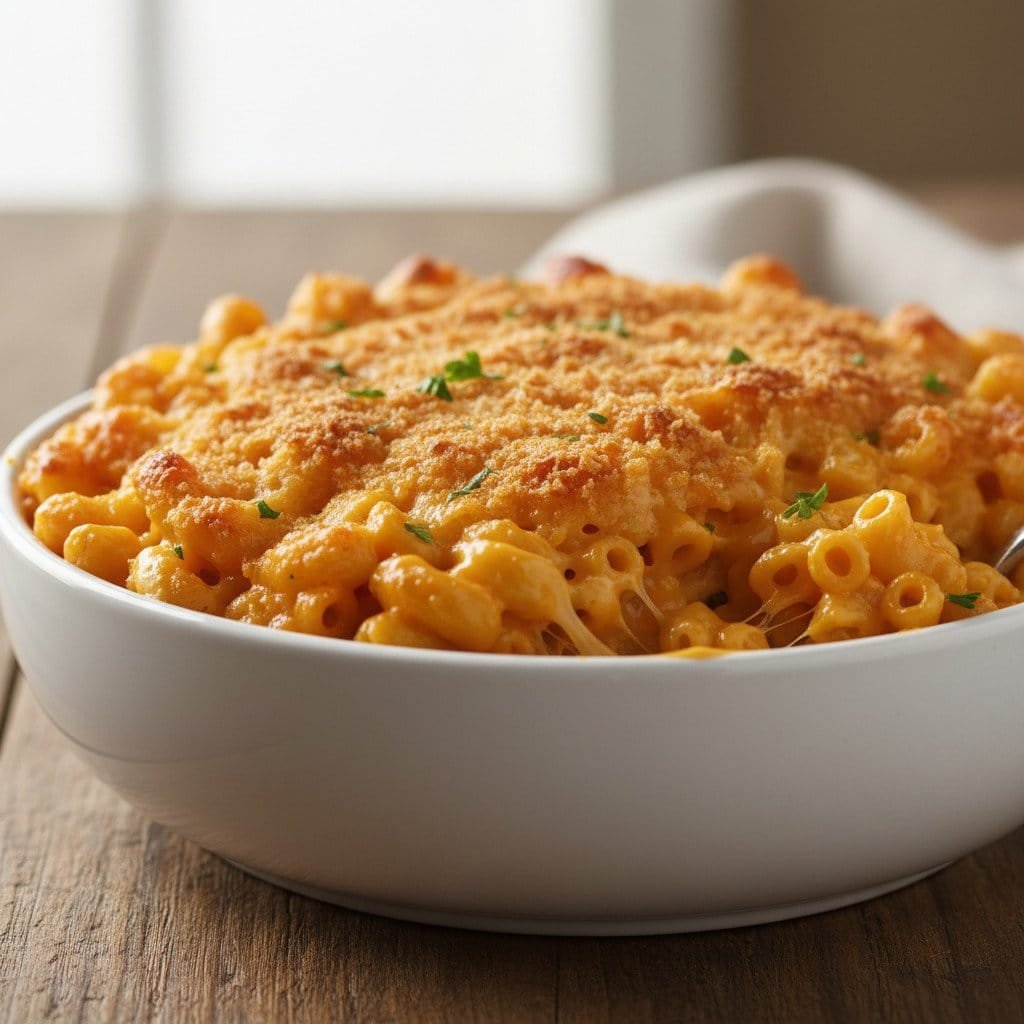
There's nothing quite like a bowl of homemade mac and cheese to bring comfort and satisfaction to your dinner table. This classic mac and cheese recipe delivers everything you love about this timeless dish: tender macaroni coated in a velvety, rich cheese sauce that's both creamy and indulgent. Unlike boxed versions loaded with artificial ingredients, this from-scratch approach uses real cheese and wholesome ingredients you can feel good about serving your family.
Whether you're looking for the perfect comfort food dinner on a chilly evening or need a crowd-pleasing side dish for your next gathering, this creamy macaroni recipe hits all the right notes. The beauty of homemade mac and cheese lies in its simplicity and versatility. You can customize it to suit your family's preferences while maintaining that irresistible cheesy goodness everyone craves.
This recipe strikes the perfect balance between nutrition and flavor, using quality cheese for protein and calcium, while giving you the option to incorporate whole grain pasta for added fiber. Best of all, it comes together in about 30 minutes, making it an accessible weeknight meal that tastes like you spent hours in the kitchen.
Why This Recipe Works
This classic mac and cheese stands out because it relies on a proper cheese sauce foundation, also known as a Mornay sauce. By creating a roux (a mixture of butter and flour), you build a base that allows the cheese to melt smoothly without becoming grainy or separated. This technique ensures every bite is silky and luxurious.
The combination of sharp cheddar and a milder cheese creates depth of flavor while maintaining that stretchy, creamy texture we all associate with perfect cheesy pasta. Sharp cheddar provides bold, tangy notes, while the addition of a melting cheese like Monterey Jack or Gruyère ensures optimal creaminess.
Using whole milk creates richness without the need for heavy cream, keeping the dish indulgent yet not overly heavy. The starch from properly cooked pasta water also helps the sauce cling beautifully to each macaroni piece, ensuring no flavor is left behind in the bowl.
Ingredient Notes
Pasta: Elbow macaroni is traditional, but you can use shells, cavatappi, or any short pasta shape with ridges or curves that catch the sauce. For added nutrition, try whole wheat or chickpea pasta for extra fiber and protein.
Butter: Use unsalted butter so you can control the sodium level in your dish. Grass-fed butter adds a richer flavor and contains beneficial omega-3 fatty acids.
All-Purpose Flour: This creates the roux that thickens your cheese sauce. For a gluten-free version, substitute with a gluten-free flour blend or cornstarch.
Milk: Whole milk provides the creamiest results, but you can use 2% milk if preferred. The fat content helps create that luxurious mouthfeel. Avoid skim milk as it may result in a thinner sauce.
Cheese: Sharp cheddar cheese is the star, providing that classic mac and cheese flavor. Freshly grated cheese melts more smoothly than pre-shredded varieties, which contain anti-caking agents. Add Gruyère, fontina, or Monterey Jack for enhanced creaminess.
Seasonings: A pinch of nutmeg may seem unusual, but it enhances the cheese flavor beautifully. Mustard powder adds depth without making the dish taste like mustard. These subtle additions elevate your homemade mac and cheese from good to exceptional.
Kitchen Tools You'll Need
- Large pot for boiling pasta
- Medium saucepan for cheese sauce
- Whisk
- Wooden spoon
- Colander
- Grater (if using block cheese)
- Measuring cups and spoons
Step-by-Step Instructions
Cook the Pasta
Bring a large pot of salted water to a rolling boil. The water should taste like the sea, as this is your only opportunity to season the pasta itself. Add the macaroni and cook according to package directions until al dente, usually 7-8 minutes. Al dente pasta has a slight bite to it and will hold up better when combined with the sauce. Before draining, reserve one cup of pasta water. Drain the pasta and set aside.
Make the Roux
While the pasta cooks, melt butter in a medium saucepan over medium heat. Once melted and foamy, add the flour and whisk constantly for 1-2 minutes. This cooking time is crucial as it removes the raw flour taste while creating a base that will thicken your sauce. The mixture should be smooth and slightly golden, with a nutty aroma.
Create the Cheese Sauce
Gradually pour in the milk while whisking continuously to prevent lumps from forming. Start with small amounts, whisking until smooth before adding more. Once all the milk is incorporated, continue cooking and stirring until the mixture thickens enough to coat the back of a spoon, about 5-7 minutes. The sauce should be smooth and velvety.
Remove from heat and add the grated cheese in handfuls, stirring after each addition until completely melted. Add your seasonings including salt, pepper, mustard powder, and a pinch of nutmeg. Taste and adjust seasonings as needed. If the sauce seems too thick, add reserved pasta water a tablespoon at a time until you reach your desired consistency.
Combine and Serve
Add the cooked macaroni to the cheese sauce and stir gently until every piece is coated. The residual heat will continue to meld the flavors together. If you prefer a baked version, transfer to a greased baking dish, top with additional cheese or breadcrumbs, and bake at 350°F for 20-25 minutes until bubbly and golden on top.
Nutrition Highlights
This homemade mac and cheese provides substantial nutritional benefits compared to boxed versions. Cheese is an excellent source of calcium, essential for bone health, and provides high-quality protein to keep you satisfied. One serving delivers approximately 15-20 grams of protein, supporting muscle maintenance and growth.
The dairy in this creamy macaroni recipe also provides vitamin B12, phosphorus, and zinc. By using whole grain pasta, you can increase the fiber content significantly, supporting digestive health and helping maintain steady blood sugar levels. Whole wheat pasta contains more vitamins and minerals than refined pasta, including B vitamins, iron, and magnesium.
To lighten this comfort food dinner without sacrificing flavor, consider using a blend of whole milk and unsweetened plant-based milk, or reduce the butter slightly. You can also increase the nutritional value by stirring in vegetables like steamed broccoli, cauliflower, or butternut squash, which blend seamlessly into the cheesy sauce.
Recipe Variations
Veggie-Loaded Mac and Cheese: Stir in steamed broccoli florets, roasted cauliflower, diced butternut squash, or sautéed spinach. These additions boost fiber, vitamins, and minerals while adding color and texture.
Protein-Packed Version: Add shredded rotisserie chicken, ground turkey, or white beans for extra protein. This transforms your side dish into a complete meal.
Spicy Mac and Cheese: Mix in diced jalapeños, a pinch of cayenne pepper, or a dash of hot sauce for those who enjoy heat. Pepper Jack cheese is another excellent way to add spice.
Herb-Infused: Fresh herbs like thyme, rosemary, or chives add brightness and complexity. Stir them in just before serving to maintain their vibrant flavor.
Truffle Mac and Cheese: For an elevated version, drizzle with truffle oil or stir in a small amount of truffle paste before serving. This creates an elegant dish perfect for special occasions.
Gluten-Free Option: Use your favorite gluten-free pasta and substitute the flour with a gluten-free blend or cornstarch. The technique remains the same.
Serving Suggestions
This classic mac and cheese shines as both a main course and a side dish. As a main, serve it alongside a crisp green salad with a tangy vinaigrette to balance the richness. The acidity and freshness of the salad provide a perfect counterpoint to the creamy, cheesy pasta.
Pair your homemade mac and cheese with roasted vegetables like Brussels sprouts, green beans, or roasted carrots for added nutrition and color. The caramelized edges of roasted vegetables complement the smooth texture of the macaroni beautifully.
For a complete comfort food dinner, serve alongside grilled chicken breast, baked fish, or turkey meatballs. The protein adds substance while keeping the meal balanced. A side of steamed broccoli or sautéed kale adds vitamins and minerals.
This cheesy pasta also works wonderfully as a side dish at barbecues, potlucks, and holiday gatherings. It pairs particularly well with grilled vegetables, coleslaw, and fresh fruit salads. The dish travels well when kept warm in a slow cooker, making it ideal for parties.
For a fun family dinner, set up a mac and cheese bar with various toppings: breadcrumbs, extra shredded cheese, diced tomatoes, steamed vegetables, and fresh herbs. Let everyone customize their bowl to their liking.
Storage and Reheating Tips
Store leftover mac and cheese in an airtight container in the refrigerator for up to 4 days. The sauce may thicken as it cools, which is completely normal. When reheating, add a splash of milk to restore the creamy consistency.
To reheat on the stovetop, place the mac and cheese in a saucepan over low heat. Add 2-3 tablespoons of milk and stir frequently until heated through. This method provides the best texture and prevents the cheese from separating.
For microwave reheating, place a portion in a microwave-safe bowl, add a tablespoon of milk, cover loosely, and heat in 30-second intervals, stirring between each, until warmed through.
This creamy macaroni freezes reasonably well for up to 2 months. Allow it to cool completely before transferring to freezer-safe containers. Leave some space at the top as the dish will expand when frozen. Thaw overnight in the refrigerator before reheating. Note that the texture may be slightly different after freezing, but the flavor remains delicious.
Tips for the Best Mac and Cheese
Grate Your Own Cheese: Pre-shredded cheese contains cellulose to prevent clumping, which can result in a grainy sauce. Freshly grated cheese melts more smoothly and creates a silkier texture.
Don't Overcook the Pasta: Slightly undercooked pasta (al dente) prevents mushiness when combined with the hot sauce. The pasta will continue to absorb sauce and soften slightly as it sits.
Control the Heat: When making the cheese sauce, keep the heat at medium or medium-low. High heat can cause the cheese to separate or become stringy rather than creamy.
Season Generously: Pasta and cheese sauce both need adequate seasoning. Taste as you go and adjust salt and pepper accordingly. The mustard powder and nutmeg are secret ingredients that enhance the overall flavor profile.
Use Quality Cheese: Since cheese is the star of this dish, using high-quality varieties makes a noticeable difference. Look for cheese that lists milk, salt, cultures, and enzymes as the only ingredients.
Save That Pasta Water: The starchy cooking water is liquid gold for adjusting sauce consistency. It helps the sauce cling to the pasta better than plain water or milk would.
Common Questions
Can I make this ahead? Yes, you can prepare the mac and cheese up to a day in advance. Store it in the refrigerator and reheat gently on the stovetop with a splash of milk, or bake it in the oven at 350°F until heated through.
Why is my cheese sauce grainy? This usually happens when the heat is too high or when cheese is added to sauce that's too hot. Remove the pan from heat before adding cheese, and stir until melted. Using freshly grated cheese also prevents graininess.
Can I use different types of cheese? Absolutely! Experiment with Gruyère for nuttiness, fontina for creaminess, or white cheddar for a milder flavor. A combination of cheeses often yields the best results.
How do I make it healthier? Use whole wheat pasta for added fiber, increase the ratio of vegetables, or reduce the butter and cheese slightly. You can also use a combination of low-fat and full-fat cheese to reduce calories while maintaining flavor.
Final Thoughts
This classic mac and cheese recipe proves that comfort food can be both delicious and made with wholesome ingredients. By taking the time to create a proper cheese sauce from scratch, you're rewarded with a dish that's infinitely better than anything from a box. The creamy, cheesy goodness combined with perfectly cooked macaroni creates a meal that satisfies both kids and adults alike.
The versatility of this homemade mac and cheese means you can adapt it to suit your family's tastes and dietary needs. Whether you keep it simple and classic or load it up with vegetables and protein, this recipe provides a reliable foundation for countless variations. The techniques you learn here, particularly making a smooth roux-based cheese sauce, will serve you well in many other recipes.
Make this creamy macaroni for your next family dinner and watch it disappear from the table. It's the kind of comforting, satisfying meal that creates happy memories and keeps everyone coming back for seconds. With simple ingredients, straightforward techniques, and endless customization options, this cheesy pasta deserves a permanent spot in your recipe rotation.
Classic Mac and Cheese Recipe (Creamy and Cheesy)
Creamy macaroni and cheese made with a rich cheesy sauce for a family-friendly comfort meal.
Ingredients
- 1 pound elbow macaroni
- 4 tablespoons butter
- 1/4 cup all-purpose flour
- 3 cups whole milk
- 1 teaspoon salt
- 1/2 teaspoon black pepper
- 1/2 teaspoon garlic powder
- 3 cups shredded sharp cheddar cheese
- 1 cup shredded mozzarella cheese
- 1/4 cup grated Parmesan cheese
Instructions
- Cook the macaroni according to package directions until al dente, then drain and set aside.
- In a large pot, melt the butter over medium heat.
- Whisk in the flour and cook for 1-2 minutes, stirring constantly, until it forms a paste.
- Gradually pour in the milk while whisking continuously to prevent lumps.
- Add salt, black pepper, and garlic powder, and continue cooking until the sauce thickens, about 5 minutes.
- Reduce heat to low and stir in the cheddar cheese, mozzarella cheese, and Parmesan cheese until completely melted and smooth.
- Add the cooked macaroni to the cheese sauce and stir until all pasta is evenly coated.
- Serve immediately while hot and creamy.
Equipment
- Large pot
- Whisk
- Colander
- Measuring cups
- Measuring spoons
Notes
- For a baked version, transfer to a greased baking dish, top with breadcrumbs, and bake at 350 degrees F for 20 minutes.
- Use freshly shredded cheese for the smoothest sauce - pre-shredded cheese contains anti-caking agents that can make the sauce grainy.
- Leftover mac and cheese can be stored in an airtight container in the refrigerator for up to 3 days.
- Add cooked bacon, ham, or vegetables for extra flavor and variety.