Introduction
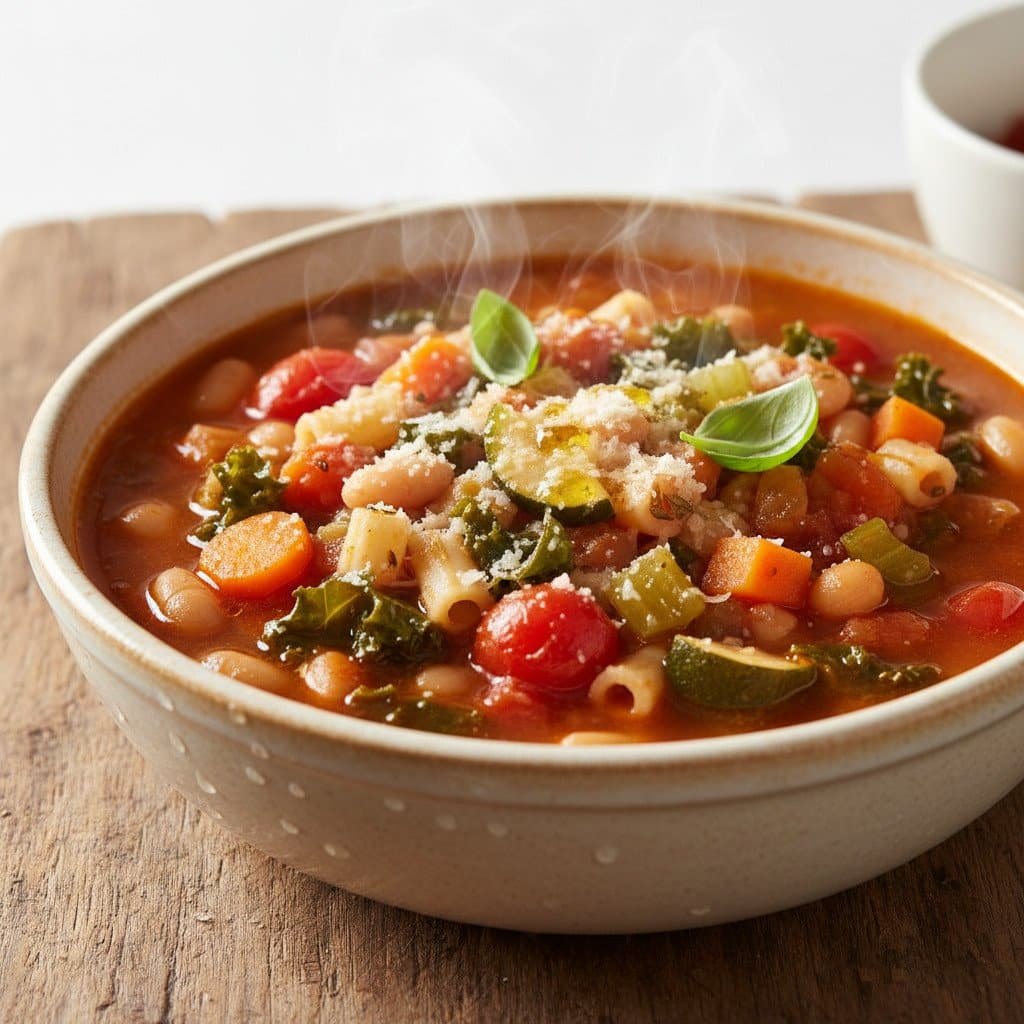
This classic minestrone soup recipe brings together the best of Italian comfort food in one nourishing bowl. Packed with colorful vegetables, protein-rich beans, and tender pasta, this hearty vegetable soup has been warming hearts and homes for generations. Whether you're looking for a satisfying weeknight dinner or meal prep solution, this Italian soup recipe delivers incredible flavor while supporting your wellness goals.
What makes this minestrone truly special is its flexibility and nutritional density. Every spoonful provides a rainbow of vegetables, plant-based protein, and complex carbohydrates, making it a complete meal that satisfies both your taste buds and nutritional needs. Unlike heavy, cream-based soups, this tomato-based version keeps things light yet filling, perfect for any season.
Why You'll Love This Minestrone Soup
This vegetable soup stands out for several compelling reasons. First, it's incredibly versatile. You can adapt the vegetables based on what's in season or sitting in your refrigerator, making it an excellent way to reduce food waste. Second, it's genuinely filling thanks to the combination of beans and pasta, which provide sustained energy without weighing you down.
The soup also happens to be naturally plant-based and can easily accommodate various dietary preferences. It's rich in fiber, vitamins, and minerals while being low in fat and calories. Plus, the flavors actually improve as the soup sits, making it ideal for batch cooking and enjoying throughout the week.
From a practical standpoint, this hearty soup requires just one pot, minimal prep work, and simple ingredients you likely already have on hand. It's budget-friendly, family-approved, and sophisticated enough to serve to guests.
Ingredients You'll Need
For the Soup Base:
- 2 tablespoons extra virgin olive oil
- 1 large yellow onion, diced
- 3 medium carrots, peeled and diced
- 3 celery stalks, diced
- 4 cloves garlic, minced
- 1 medium zucchini, diced
- 1 cup green beans, trimmed and cut into 1-inch pieces
- 1 can (14.5 oz) diced tomatoes
- 3 tablespoons tomato paste
- 6 cups low-sodium vegetable broth
- 2 cups water
- 1 can (15 oz) cannellini beans, drained and rinsed
- 1 can (15 oz) kidney beans, drained and rinsed
- 1 cup small pasta (ditalini, elbow, or small shells)
- 2 cups fresh spinach or kale, roughly chopped
- 1 bay leaf
- 1 teaspoon dried oregano
- 1 teaspoon dried basil
- 1/2 teaspoon dried thyme
- Salt and black pepper to taste
- Fresh parsley for garnish
- Grated Parmesan cheese for serving (optional)
Ingredient Notes and Substitutions
Vegetables: The beauty of this Italian soup recipe lies in its adaptability. While this recipe uses classic minestrone vegetables, feel free to substitute with what you have available. Butternut squash, bell peppers, cabbage, or Swiss chard all work beautifully. Just maintain roughly the same total volume of vegetables.
Beans: Cannellini and kidney beans provide excellent texture and nutrition, but chickpeas, navy beans, or great northern beans are equally delicious alternatives. For the best texture, use canned beans rather than dried, as they're pre-cooked and maintain their shape better in the soup.
Pasta: Traditional minestrone uses small pasta shapes that fit easily on a spoon. Ditalini is classic, but any small pasta works well. For a gluten-free version, use chickpea or lentil pasta. Alternatively, skip the pasta entirely and add diced potatoes for a different take.
Greens: Spinach wilts quickly and adds a mild flavor, while kale provides more texture and earthiness. Both offer excellent nutritional benefits, including iron, calcium, and vitamins A and K.
Broth: Using low-sodium vegetable broth allows you to control the salt level in your soup. If you only have regular broth, reduce or eliminate added salt until you taste the finished product.
Step-by-Step Instructions
Step 1: Prepare Your Vegetables
Begin by washing and chopping all your vegetables. Aim for uniform dice (about 1/2-inch pieces) so everything cooks evenly. This prep work makes the cooking process smooth and efficient.
Step 2: Build the Flavor Base
Heat the olive oil in a large pot or Dutch oven over medium heat. Add the diced onion, carrots, and celery (this combination is called "soffritto" in Italian cooking). Sauté for 6-8 minutes, stirring occasionally, until the vegetables soften and the onion becomes translucent. This step builds the foundational flavor of your bean soup.
Add the minced garlic and cook for another minute until fragrant, being careful not to let it brown.
Step 3: Add Remaining Vegetables
Stir in the zucchini and green beans. Cook for 3-4 minutes, allowing them to begin softening. Add the tomato paste and stir well, coating the vegetables. Let the tomato paste cook for about 2 minutes, which deepens its flavor and removes any raw taste.
Step 4: Build the Broth
Pour in the diced tomatoes with their juices, vegetable broth, and water. Add the bay leaf, oregano, basil, and thyme. Season with salt and pepper to taste (start conservatively, as you can always add more later). Stir everything together and bring the soup to a boil.
Step 5: Simmer and Develop Flavors
Once boiling, reduce the heat to medium-low and let the soup simmer uncovered for 20 minutes. This allows the vegetables to become tender and the flavors to meld together beautifully.
Step 6: Add Beans and Pasta
Stir in both types of beans and the pasta. Continue simmering for 8-10 minutes, or until the pasta reaches al dente texture. Keep an eye on the soup during this time, stirring occasionally to prevent the pasta from sticking to the bottom.
Step 7: Finish with Greens
Add the chopped spinach or kale and stir until wilted, which takes just 1-2 minutes for spinach or 3-4 minutes for heartier kale. Remove the bay leaf. Taste and adjust seasonings as needed.
Step 8: Serve
Ladle the hot soup into bowls, garnish with fresh parsley and grated Parmesan if desired, and serve immediately with crusty whole-grain bread.
Serving Suggestions
This hearty vegetable soup shines as a complete meal on its own, but pairing it thoughtfully can elevate your dining experience. Serve alongside warm, crusty whole-grain bread or homemade focaccia for dipping into the flavorful broth. A simple arugula salad with lemon vinaigrette provides a fresh, peppery contrast to the soup's rich, savory notes.
For a more substantial meal, add a side of roasted vegetables or a caprese salad with fresh mozzarella, tomatoes, and basil. The soup also pairs wonderfully with garlic bread made with olive oil instead of butter for a lighter option.
Consider setting out small bowls of toppings so everyone can customize their bowl. Fresh basil, extra Parmesan, red pepper flakes, and a drizzle of high-quality extra virgin olive oil all enhance the soup's flavor profile.
This minestrone soup works beautifully for various occasions, from casual weeknight dinners to cozy weekend lunches. It's also excellent for potlucks and gatherings since it's easy to transport and keeps well in a slow cooker set to warm.
Nutrition Benefits
This minestrone soup recipe is a nutritional powerhouse that supports overall health and wellness. Each serving delivers substantial fiber from the beans, vegetables, and whole-grain pasta, promoting digestive health and helping you feel satisfied longer.
The variety of colorful vegetables provides an impressive array of vitamins and minerals. Carrots contribute beta-carotene for eye health, tomatoes offer lycopene (a powerful antioxidant), and leafy greens supply iron and calcium. The combination of beans provides plant-based protein and complex carbohydrates that stabilize blood sugar levels and provide sustained energy.
With minimal added fat and no saturated fat from animal products, this vegetable soup supports heart health. The olive oil used contains healthy monounsaturated fats and anti-inflammatory compounds. The soup is also naturally low in calories while being incredibly filling, making it an excellent choice for those managing their weight.
The high water content helps with hydration, while the sodium can be controlled based on your dietary needs. By using low-sodium broth and beans, you maintain control over salt intake while still enjoying robust flavor.
Storage and Meal Prep Tips
One of the best features of this Italian soup recipe is how well it stores and reheats, making it perfect for meal prep.
Refrigeration: Store cooled soup in airtight containers in the refrigerator for up to 5 days. The flavors actually deepen and improve after a day or two, making leftovers even more delicious than the first serving.
Freezing: This soup freezes beautifully for up to 3 months. However, for best results, consider freezing the soup before adding the pasta. Pasta can become mushy when frozen and reheated. Instead, freeze the vegetable and bean base, then cook fresh pasta when you reheat the soup.
Reheating: Reheat individual portions in the microwave or warm larger quantities on the stovetop over medium heat. You may need to add a splash of water or broth, as the pasta and beans will absorb liquid as the soup sits. Stir occasionally and heat until warmed through.
Meal Prep Strategy: Make a double batch on Sunday and portion it into individual containers for easy grab-and-go lunches throughout the week. Pack toppings separately to maintain freshness.
Variations and Customizations
Protein Boost: While beans provide excellent plant-based protein, you can add cooked chicken breast or turkey meatballs for additional protein if desired. Add pre-cooked protein during the last few minutes of cooking.
Grain-Free Version: Skip the pasta and add extra beans or diced potatoes. This creates a heartier, more rustic version that's naturally gluten-free.
Spicy Minestrone: Add red pepper flakes, diced jalapeños, or a splash of hot sauce for those who enjoy heat. Calabrian chili paste adds authentic Italian spice.
Pesto Swirl: Stir a spoonful of fresh basil pesto into each bowl just before serving for an aromatic, herbaceous twist.
Summer Version: Use fresh tomatoes instead of canned, add fresh corn kernels, and incorporate summer squash for a lighter, seasonal variation.
Winter Version: Include root vegetables like parsnips, turnips, or sweet potatoes. Add more hearty greens like collards or mustard greens.
Expert Tips for the Best Minestrone
Don't Rush the Soffritto: Taking time to properly sauté the onion, carrots, and celery creates a flavor foundation that makes all the difference. Let them cook until truly softened and aromatic.
Layer Your Seasonings: Add herbs at different stages. Dried herbs go in early to infuse the broth, while fresh herbs added at the end provide bright, vibrant flavor.
Watch Your Pasta: Since pasta continues absorbing liquid after cooking, slightly undercook it if you're making the soup ahead. It will reach perfect texture as it sits.
Taste and Adjust: Always taste before serving and adjust seasonings. Sometimes a squeeze of lemon juice or splash of vinegar brightens all the flavors beautifully.
Use Quality Ingredients: Since this is a simple soup, the quality of your ingredients matters. Good olive oil, flavorful broth, and ripe tomatoes make a noticeable difference.
Frequently Asked Questions
Can I make this soup in a slow cooker?
Yes! Sauté the soffritto on the stovetop first, then transfer everything except the pasta and greens to your slow cooker. Cook on low for 6-8 hours or high for 3-4 hours. Add pasta and greens during the last 30 minutes.
Is minestrone soup healthy?
Absolutely. This vegetable soup is loaded with nutrients, fiber, and plant-based protein while being low in fat and calories. It's an excellent choice for a balanced, wholesome meal.
What makes minestrone different from other vegetable soups?
Minestrone is specifically Italian in origin and traditionally includes beans, pasta or rice, and a tomato-based broth. The combination of pasta and beans is characteristic of authentic minestrone.
Can I use fresh herbs instead of dried?
Yes! Use approximately three times the amount of fresh herbs compared to dried. Add heartier herbs like rosemary and thyme earlier in cooking, and delicate herbs like basil and parsley at the end.
This minestrone soup recipe proves that healthy eating can be both delicious and satisfying. With its combination of wholesome ingredients, incredible flavors, and practical benefits, it deserves a regular spot in your meal rotation. Whether you're seeking comfort, nutrition, or simply a delicious bowl of soup, this hearty vegetable soup delivers on every level.
Minestrone Soup Recipe (Hearty Vegetable Soup)
A hearty vegetable soup with beans and pasta in a tomato broth, perfect year-round.
Ingredients
- 2 tablespoons olive oil
- 1 medium onion, diced
- 2 carrots, peeled and diced
- 2 celery stalks, diced
- 3 cloves garlic, minced
- 1 zucchini, diced
- 1 cup green beans, trimmed and cut into 1-inch pieces
- 1 can (28 ounces) crushed tomatoes
- 6 cups vegetable broth
- 1 can (15 ounces) kidney beans, drained and rinsed
- 1 can (15 ounces) cannellini beans, drained and rinsed
- 1 cup small pasta (ditalini or elbow)
- 2 cups fresh spinach or kale, chopped
- 1 teaspoon dried oregano
- 1 teaspoon dried basil
- 1/2 teaspoon dried thyme
- Salt and pepper to taste
- Fresh parsley for garnish
- Grated Parmesan cheese for serving
Instructions
- Heat olive oil in a large pot or Dutch oven over medium heat.
- Add the diced onion, carrots, and celery. Saute for 5-7 minutes until vegetables begin to soften.
- Add the minced garlic and cook for 1 minute until fragrant.
- Stir in the zucchini and green beans, cooking for another 3-4 minutes.
- Add the crushed tomatoes, vegetable broth, kidney beans, and cannellini beans. Stir to combine.
- Season with oregano, basil, thyme, salt, and pepper.
- Bring the soup to a boil, then reduce heat and simmer for 15-20 minutes until vegetables are tender.
- Add the pasta and cook according to package directions, usually 8-10 minutes.
- Stir in the chopped spinach or kale and cook until wilted, about 2-3 minutes.
- Taste and adjust seasonings as needed.
- Serve hot, garnished with fresh parsley and grated Parmesan cheese.
Equipment
- Large pot or Dutch oven
- Cutting board
- Chef's knife
- Wooden spoon
- Measuring cups and spoons
- Can opener
Notes
- You can use any small pasta shape you prefer - ditalini, elbow macaroni, or small shells work well.
- For a gluten-free version, use gluten-free pasta or omit pasta entirely.
- This soup freezes well for up to 3 months. If freezing, consider cooking pasta separately and adding when reheating to prevent mushiness.
- Feel free to substitute or add other vegetables like potatoes, cabbage, or bell peppers.
- For a richer flavor, add a Parmesan rind to the soup while it simmers and remove before serving.
- Leftovers keep in the refrigerator for up to 5 days. The soup will thicken as it sits; add more broth when reheating if needed.