Introduction
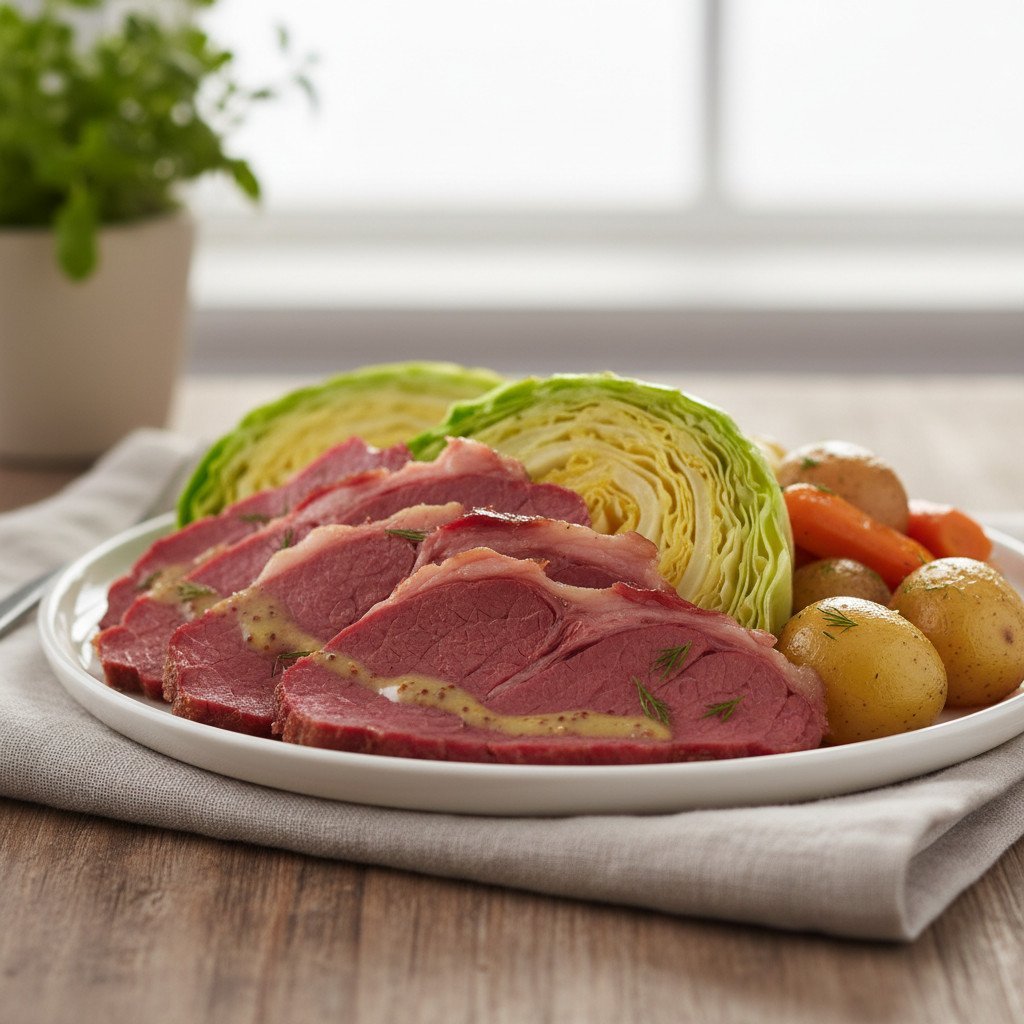
There's something wonderfully comforting about a classic corned beef and cabbage dinner simmering away on the stove. This traditional boiled dinner brings together tender, flavorful corned beef with hearty vegetables like cabbage, carrots, and potatoes in one satisfying meal. While often associated with St. Patrick's Day dinner celebrations, this easy corned beef recipe deserves a spot in your regular dinner rotation any time of year.
The beauty of this dish lies in its simplicity. The slow-simmering method transforms a tough cut of beef into melt-in-your-mouth tender slices, while the vegetables soak up all those savory flavors from the cooking liquid. Whether you're preparing a festive St. Patrick's Day feast or simply craving wholesome comfort food, this corned beef and cabbage recipe delivers every time.
What makes this version particularly appealing is the focus on whole, nutrient-dense ingredients. You'll be serving up quality protein, fiber-rich vegetables, and a meal that naturally fits into a clean eating approach. Plus, the hands-off cooking method means you can go about your day while dinner practically makes itself.
What Is Corned Beef?
Corned beef is a cut of beef, typically brisket, that has been cured in a seasoned brine. The term "corned" comes from the large grains of salt (called "corns") historically used in the curing process. This preservation method not only extends the meat's shelf life but also infuses it with distinctive savory flavors from spices like peppercorns, bay leaves, coriander, and mustard seeds.
The curing process gives corned beef its characteristic pink color and robust flavor profile. When you purchase corned beef from the store, it usually comes with a spice packet that contains the traditional seasoning blend. The meat benefits from long, slow cooking in liquid, which breaks down the tough connective tissues and results in that signature tender texture.
From a nutritional standpoint, corned beef provides high-quality protein, iron, zinc, and B vitamins, particularly B12. While it does contain sodium due to the curing process, you can manage this by rinsing the meat before cooking and being mindful of added salt in your recipe.
Ingredient Notes
Corned Beef Brisket: Look for a 3-4 pound flat-cut brisket, which tends to be leaner and slices more uniformly than the point cut. Check the packaging date for freshness, and don't discard that spice packet!
Cabbage: Green cabbage is traditional and holds up beautifully to cooking. Choose a firm, heavy head with crisp leaves. Cabbage is incredibly nutritious, packed with vitamin C, vitamin K, and beneficial plant compounds that support overall health.
Carrots: These add natural sweetness and a pop of color. Carrots contribute beta-carotene, fiber, and antioxidants to your meal. Peel them and cut into large chunks so they don't overcook.
Potatoes: Yukon Gold or red potatoes work wonderfully in this boiled dinner. They hold their shape well during cooking and offer vitamin C, potassium, and fiber, especially if you leave the skins on.
Onions: Yellow onions add depth and aromatic flavor to the cooking liquid. They also provide quercetin, a powerful antioxidant compound.
Garlic: Fresh garlic cloves enhance the savory notes and bring their own anti-inflammatory benefits to the dish.
Bay Leaves: These aromatic leaves add subtle herbal notes that complement the spice blend perfectly.
Black Peppercorns: Whole peppercorns contribute gentle heat and complexity without overpowering the other flavors.
Kitchen Tools Needed
To make this easy corned beef recipe, you'll need:
- Large stockpot or Dutch oven (at least 8 quarts)
- Sharp chef's knife
- Cutting board
- Measuring spoons
- Tongs or large fork
- Slotted spoon
- Meat thermometer (optional but helpful)
A heavy-bottomed pot with a tight-fitting lid works best for maintaining even, gentle heat throughout the cooking process.
Step-by-Step Instructions
Step 1: Prepare the Corned Beef
Remove the corned beef from its packaging and rinse it thoroughly under cold water. This step helps remove excess surface salt from the curing process. Pat the meat dry with paper towels and place it in your large stockpot.
Step 2: Add Aromatics and Liquid
Open the spice packet that came with your corned beef and sprinkle it over the meat. Add 2-3 bay leaves, 1 tablespoon of whole peppercorns, 4-5 peeled garlic cloves, and 1 quartered onion to the pot. Pour in enough cold water to cover the meat by about 2 inches.
Step 3: Bring to a Boil and Simmer
Place the pot over high heat and bring the water to a boil. Once boiling, reduce the heat to low, cover the pot, and maintain a gentle simmer. Cook for approximately 2.5 to 3 hours, or about 50 minutes per pound. The corned beef is done when it's fork-tender and reaches an internal temperature of at least 145°F, though it's often cooked to 160-190°F for maximum tenderness.
Step 4: Add the Vegetables
During the last 45 minutes of cooking, add your prepared vegetables to the pot. Start with 2 pounds of quartered potatoes and 1 pound of large carrot chunks. Let these cook for about 20-25 minutes until they begin to soften.
Step 5: Add the Cabbage
Cut 1 medium head of cabbage into wedges, keeping the core intact to hold the wedges together. Add the cabbage wedges to the pot during the final 15-20 minutes of cooking. The cabbage should be tender but still have a slight bite to it.
Step 6: Rest and Slice
Once the corned beef is fully tender, carefully remove it from the pot and place it on a cutting board. Tent it loosely with foil and let it rest for 10-15 minutes. This resting period allows the juices to redistribute throughout the meat. Using a sharp knife, slice the corned beef against the grain into thin slices for maximum tenderness.
Step 7: Serve
Arrange the sliced corned beef on a large serving platter. Use a slotted spoon to remove the vegetables from the cooking liquid and arrange them around the meat. You can drizzle a little of the cooking liquid over everything for extra moisture and flavor.
Serving Suggestions
This corned beef and cabbage makes a complete meal on its own, but there are plenty of ways to enhance your presentation and round out the dinner table.
Serve the sliced meat and vegetables family-style on a large platter, allowing everyone to help themselves. A small bowl of whole-grain mustard or horseradish sauce on the side adds a zesty kick that cuts through the richness of the beef.
For a more substantial meal, consider adding a side of crusty whole-grain bread or Irish soda bread for soaking up the flavorful juices. A simple green salad with a light vinaigrette provides a fresh, crisp contrast to the warm, hearty main dish.
The cooking liquid itself is liquid gold. Don't pour it down the drain! Strain it and save it for making soup later in the week. It's packed with flavor and makes an excellent base for vegetable or barley soup.
For St. Patrick's Day dinner gatherings, present the dish on your nicest serving ware and garnish with fresh parsley for a pop of color. The natural hues of the vegetables create a beautiful, rustic presentation that celebrates whole-food cooking at its finest.
Cooking Tips for Perfect Results
Choose the Right Cut: Flat-cut brisket is leaner and easier to slice uniformly than point cut. If you can only find point cut, it will work fine but may have more fat to trim.
Don't Rush the Simmer: Low and slow is the secret to tender corned beef. If you boil it too vigorously, the meat can become tough and stringy. Maintain a gentle simmer where you see small bubbles occasionally breaking the surface.
Slice Against the Grain: This is crucial for tender slices. Look at the direction of the muscle fibers and cut perpendicular to them. This shortens the fibers and makes each bite more tender.
Time Your Vegetables: Adding vegetables in stages prevents them from turning to mush. Potatoes and carrots need more time than cabbage, so add them accordingly.
Check for Doneness: The corned beef should be so tender that a fork slides in easily and the meat almost falls apart. If it's still tough after 3 hours, continue cooking and check every 30 minutes.
Save the Liquid: The cooking liquid is full of flavor. Refrigerate it and skim off any solidified fat from the top, then use it as a soup base or for cooking grains.
Variations and Substitutions
Slow Cooker Method: Place the rinsed corned beef in your slow cooker with spices and enough water to cover. Cook on low for 8-10 hours. Add vegetables during the last 2-3 hours.
Instant Pot Version: Use the pressure cooker function for 90 minutes at high pressure with natural release. Add vegetables using the sauté function after the meat is done.
Different Vegetables: Try adding turnips, parsnips, or rutabaga for variety. These root vegetables complement the corned beef beautifully and add different nutritional benefits.
Herb Additions: Fresh thyme or rosemary added to the cooking liquid can provide additional aromatic complexity.
Spicier Version: Add red pepper flakes or a sliced jalapeño to the cooking liquid for a gentle heat.
Lower Sodium Option: Look for reduced-sodium corned beef, or make your own by brining a beef brisket at home where you can control the salt content.
Storage and Meal Prep
Leftover corned beef and cabbage stores beautifully, making this recipe perfect for meal prep or enjoying throughout the week.
Refrigerator Storage: Store the sliced corned beef and cooked vegetables separately in airtight containers in the refrigerator for up to 4 days. Keep some of the cooking liquid in a separate container to reheat the meat and vegetables, which prevents them from drying out.
Freezer Storage: The corned beef freezes well for up to 3 months. Slice it first, then wrap portions tightly in plastic wrap and place in freezer bags. The cooked vegetables don't freeze as well due to their high water content, so it's best to enjoy those fresh.
Reheating: Reheat sliced corned beef gently in a skillet with a splash of the cooking liquid, or warm it in the microwave covered with a damp paper towel. Vegetables can be reheated in the microwave or quickly warmed in a skillet.
Leftover Ideas
Don't let any of this delicious corned beef go to waste! Here are some creative ways to use leftovers:
Corned Beef Hash: Dice the leftover meat and potatoes, then pan-fry them with onions until crispy. Top with a fried egg for a satisfying breakfast or brunch.
Reuben-Inspired Salad: Chop the corned beef and serve it over mixed greens with sauerkraut, a drizzle of mustard dressing, and some toasted rye croutons.
Vegetable Beef Soup: Use the reserved cooking liquid as a base, add diced leftover vegetables and meat, plus some fresh vegetables and herbs for a quick, nourishing soup.
Grain Bowls: Serve chopped corned beef and vegetables over quinoa or brown rice with a dollop of mustard or horseradish sauce.
Cabbage Rolls: Use the tender cabbage leaves to wrap up chopped corned beef with rice or cauliflower rice for a creative twist.
Nutritional Highlights
This corned beef and cabbage recipe offers impressive nutritional benefits when enjoyed as part of a balanced diet.
The corned beef provides high-quality complete protein, essential for muscle maintenance, immune function, and overall health. It's also an excellent source of vitamin B12, which supports nerve health and red blood cell formation, along with iron and zinc.
Cabbage is a nutritional powerhouse, delivering vitamin C for immune support, vitamin K for bone health, and beneficial plant compounds with antioxidant and anti-inflammatory properties. It's also high in fiber while being very low in calories.
Carrots contribute beta-carotene, which your body converts to vitamin A for eye health and immune function. They also provide fiber and various antioxidants.
Potatoes, especially when eaten with the skin, offer vitamin C, potassium, and resistant starch, which acts as a prebiotic to support digestive health.
Together, these ingredients create a balanced, nutrient-dense meal that satisfies both your taste buds and your nutritional needs.
Frequently Asked Questions
Do I need to rinse the corned beef before cooking?
Yes, rinsing helps remove excess surface salt from the curing process, resulting in a better-balanced flavor in your final dish.
Can I cook corned beef and cabbage in advance?
Absolutely! This dish actually reheats well. Cook everything, let it cool, then refrigerate. Reheat gently with some of the cooking liquid.
Why is my corned beef tough?
The meat needs more cooking time. Continue simmering until it's fork-tender. Corned beef requires long, slow cooking to break down the connective tissues.
Can I use a different cut of beef?
Corned beef is specifically cured brisket. You can't substitute regular brisket or other cuts and achieve the same flavor, though you could make a similar boiled dinner with regular beef.
How do I know when it's done?
The meat should be fork-tender, meaning a fork slides in easily and the meat almost falls apart. Internal temperature should reach at least 160°F.
Final Thoughts
This classic corned beef and cabbage recipe proves that simple, wholesome ingredients can create deeply satisfying comfort food. The slow-simmering method requires patience but rewards you with incredibly tender meat and perfectly cooked vegetables that have absorbed all those wonderful savory flavors.
Whether you're preparing this easy corned beef for a St. Patrick's Day dinner celebration or simply seeking a nourishing weeknight meal, this one-pot wonder delivers. The hands-off cooking method, minimal ingredient list, and impressive leftovers make it a practical choice for busy households.
Best of all, you can feel good about serving this nutrient-dense meal to your family. It's a celebration of whole foods cooked simply, allowing the natural flavors and nutritional benefits to shine through. Give this traditional boiled dinner a try, and it just might become one of your most-requested comfort meals, no matter the season.
Corned Beef and Cabbage Recipe (Tender and Flavorful)
Slow-simmered corned beef with tender cabbage, carrots, and potatoes for a classic comfort dinner.
Ingredients
- 3-4 pound corned beef brisket with spice packet
- 10 cups water
- 1 head green cabbage, cut into wedges
- 1 pound carrots, peeled and cut into chunks
- 2 pounds baby potatoes or red potatoes, halved
- 1 onion, quartered
- 3 cloves garlic, smashed
- 2 bay leaves
- Salt and pepper to taste
Instructions
- Place the corned beef brisket in a large pot or Dutch oven and add the water, ensuring the meat is fully covered.
- Add the spice packet that came with the corned beef, along with the onion, garlic, and bay leaves.
- Bring to a boil over high heat, then reduce heat to low and cover.
- Simmer for 2 1/2 to 3 hours, or until the corned beef is fork-tender.
- About 30 minutes before the beef is done, add the carrots and potatoes to the pot.
- About 15 minutes before serving, add the cabbage wedges to the pot.
- Continue cooking until all vegetables are tender.
- Remove the corned beef from the pot and let it rest for 10 minutes before slicing against the grain.
- Serve the sliced corned beef with the vegetables and some of the cooking liquid spooned over top.
Equipment
- Large pot or Dutch oven
- Knife
- Cutting board
- Tongs
- Slotted spoon
Notes
- Always slice corned beef against the grain for maximum tenderness.
- You can add a splash of apple cider vinegar or beer to the cooking liquid for extra flavor.
- Leftovers can be stored in the refrigerator for up to 4 days and make excellent sandwiches.
- If the corned beef doesn't come with a spice packet, use 1 tablespoon pickling spice.
- For a richer broth, you can substitute half the water with beef broth.