Introduction
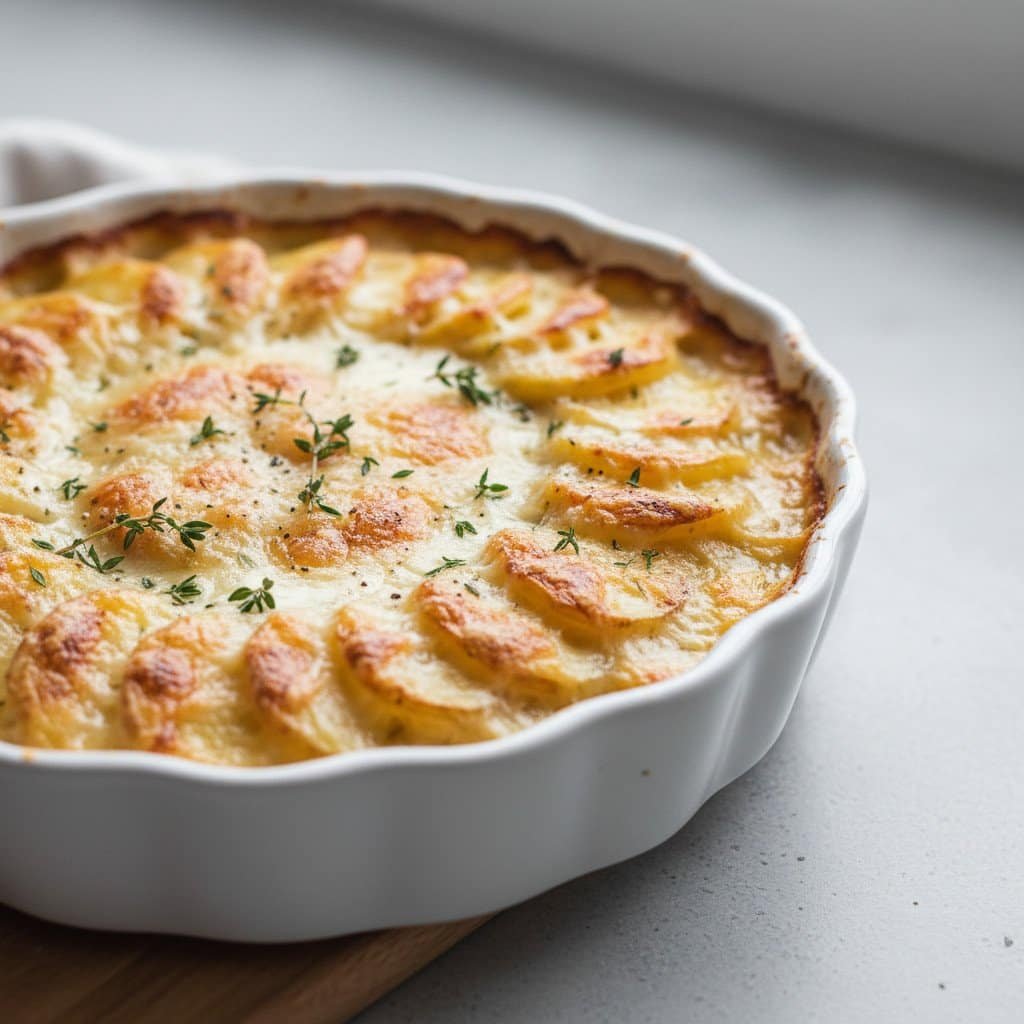
Looking for the perfect side dish to elevate your Easter dinner or spring gathering? These creamy, golden scalloped potatoes are exactly what your holiday table needs. This classic comfort food combines tender potato slices with a rich, velvety sauce and a beautifully browned top that will have everyone reaching for seconds.
Unlike heavy versions loaded with excessive cream and butter, this recipe strikes the perfect balance between indulgent flavor and wholesome ingredients. We're using real, nutrient-dense foods to create layers of creamy goodness that complement any spring menu. Whether you're planning an Easter feast or simply want a satisfying holiday potato side, these scalloped potatoes deliver every time.
The beauty of this dish lies in its simplicity. With just a handful of quality ingredients and straightforward preparation, you'll create a restaurant-worthy side that looks as impressive as it tastes. The slow baking process allows the flavors to meld together while the potatoes become perfectly tender, creating that signature creamy texture everyone loves.
Why This Recipe Works
This scalloped potatoes recipe succeeds where others fall short by focusing on technique and ingredient quality. The key is slicing the potatoes uniformly, which ensures even cooking throughout the dish. When each slice is the same thickness, you avoid the frustration of some pieces being undercooked while others turn mushy.
The sauce uses a combination of whole milk and a touch of cream for richness without overwhelming heaviness. This creates a luxurious coating that penetrates between the potato layers while keeping the dish from becoming overly dense. Adding cheese provides both flavor and helps bind everything together as it melts.
Baking covered initially allows the potatoes to steam and soften, while the final uncovered phase creates that gorgeous golden-brown top layer. This two-stage cooking method is what separates mediocre scalloped potatoes from truly exceptional ones.
Ingredient Notes
Potatoes: Yukon Gold potatoes are ideal for this Easter potatoes recipe because they hold their shape well while becoming wonderfully creamy. Their naturally buttery flavor enhances the overall dish. Russet potatoes work too, though they'll create a slightly softer texture. Avoid waxy red potatoes, as they don't absorb the sauce as effectively.
Milk and Cream: Using mostly whole milk with just a small amount of heavy cream keeps the dish rich but not overly heavy. The milk proteins help create a smooth sauce that coats each potato slice. For a lighter version, you can use all whole milk, though the texture will be slightly less luxurious.
Cheese: A sharp white cheddar adds depth and tangy notes that complement the mild potatoes beautifully. Gruyere is another excellent choice for a more sophisticated flavor profile. The cheese not only enhances taste but also helps thicken the sauce as it bakes.
Garlic and Onion: Fresh garlic and thinly sliced onions infuse aromatic flavor throughout the layers. These aromatics are essential for preventing the dish from tasting one-dimensional.
Herbs: Fresh thyme pairs wonderfully with potatoes and adds a subtle earthy note perfect for spring dinner sides. Rosemary or sage also work beautifully if you prefer different flavor profiles.
Butter: A modest amount of grass-fed butter adds richness and helps with browning. We use it sparingly to keep the dish from becoming too heavy.
Kitchen Equipment Needed
For this recipe, you'll need a sharp knife or mandoline slicer for uniform potato slices, a 9×13-inch baking dish (or similar 3-quart capacity dish), a medium saucepan for making the sauce, a whisk, and aluminum foil for covering during baking. A mandoline makes quick work of slicing and ensures perfect uniformity, but a sharp knife and steady hand work just as well.
Step-by-Step Instructions
Prepare Your Ingredients: Preheat your oven to 375°F (190°C). Peel the potatoes if desired, though leaving the skins on adds extra fiber and nutrients. Slice them into 1/8-inch thick rounds using a mandoline or sharp knife. Place the slices in cold water to prevent browning while you prepare the sauce.
Make the Cream Sauce: In a medium saucepan, melt 2 tablespoons of butter over medium heat. Add 3 cloves of minced garlic and cook for about 1 minute until fragrant but not browned. Whisk in 2 tablespoons of all-purpose flour (or gluten-free flour blend) to create a roux. Cook for 1-2 minutes, stirring constantly.
Gradually pour in 2 cups of whole milk and 1/2 cup of heavy cream, whisking continuously to prevent lumps. Add 1 teaspoon of salt, 1/2 teaspoon of black pepper, and 1 teaspoon of fresh thyme leaves. Continue cooking and whisking until the sauce thickens enough to coat the back of a spoon, about 5-7 minutes.
Assemble the Dish: Butter your baking dish generously. Drain the potato slices and pat them dry with a clean kitchen towel. Arrange one-third of the potato slices in an overlapping layer at the bottom of the dish. Scatter some thinly sliced onion over the potatoes, then sprinkle with one-third of your shredded cheese (about 1/2 cup). Pour one-third of the cream sauce over this layer.
Repeat this layering process two more times, finishing with a final layer of cheese on top. The top layer should have slightly more cheese for optimal browning and flavor.
Bake to Perfection: Cover the dish tightly with aluminum foil and bake for 45 minutes. This covered baking time allows the potatoes to steam and become tender. After 45 minutes, remove the foil and continue baking for an additional 25-30 minutes until the top is golden brown and bubbly, and a knife easily pierces through all the layers.
Rest Before Serving: Let the dish rest for 10-15 minutes after removing it from the oven. This resting period allows the sauce to thicken further and makes serving much easier. The scalloped potatoes will hold their shape better when portioned.
Serving Suggestions
These cheesy scalloped potatoes shine as a side dish for Easter dinner, pairing beautifully with roasted chicken, herb-crusted turkey breast, or glazed salmon. The creamy, comforting nature of the potatoes balances perfectly with roasted spring vegetables like asparagus, green beans, or Brussels sprouts.
For a complete Easter spread, serve these alongside a fresh spring salad with mixed greens, radishes, and a light vinaigrette. The crisp, refreshing salad provides a nice contrast to the rich, creamy potatoes. Add some crusty whole-grain bread and you have a memorable holiday meal.
This holiday potato side also works wonderfully for Mother's Day brunch, graduation parties, or any spring gathering where you want to impress guests without spending all day in the kitchen. The dish can be assembled ahead of time and baked just before serving, making it ideal for entertaining.
Recipe Variations
Lighter Version: Replace the heavy cream with additional whole milk or unsweetened almond milk for a lighter option. You can also reduce the cheese by half and add nutritional yeast for a cheesy flavor with fewer calories.
Herb-Enhanced: Add fresh rosemary, sage, or a combination of herbs between the layers. Dried herbs work too, but use about one-third the amount since they're more concentrated.
Vegetable-Loaded: Layer in thinly sliced leeks, fennel, or even some baby spinach between the potato layers for added nutrition and flavor complexity. This turns your side dish into something even more substantial.
Different Cheese Options: Experiment with Gruyere for a nutty, sophisticated flavor, fontina for extra creaminess, or a sharp aged cheddar for more pronounced cheese flavor. A combination of cheeses often yields the most complex taste.
Sweet Potato Variation: Replace half the regular potatoes with sweet potatoes for a colorful twist that adds extra vitamin A and a subtle sweetness that's perfect for spring dinner sides.
Make-Ahead Instructions
One of the best features of this scalloped potatoes recipe is how well it accommodates advance preparation. You can assemble the entire dish up to 24 hours before baking. Simply cover tightly with plastic wrap and refrigerate. When ready to bake, remove from the refrigerator and let it sit at room temperature for 20-30 minutes, then bake as directed, adding an extra 10-15 minutes to the covered baking time since it's starting cold.
Alternatively, you can prepare the sauce and slice the potatoes the day before, storing them separately. Keep the potato slices submerged in cold water in the refrigerator, and store the sauce in an airtight container. Assemble and bake on the day of serving.
Storage and Reheating
Store leftover scalloped potatoes in an airtight container in the refrigerator for up to 4 days. The flavors often deepen after a day, making leftovers particularly delicious. To reheat, place portions in a baking dish, cover with foil, and warm in a 350°F oven for 15-20 minutes until heated through. You can also microwave individual portions, though the texture won't be quite as good as oven reheating.
For longer storage, these potatoes freeze reasonably well for up to 2 months. Cool completely, portion into freezer-safe containers, and freeze. Thaw overnight in the refrigerator before reheating. The texture may be slightly softer after freezing, but the flavor remains excellent.
Nutritional Highlights
While scalloped potatoes are certainly an indulgent side dish, they also offer nutritional benefits when made with quality ingredients. Potatoes provide vitamin C, potassium, and vitamin B6, all essential for immune function and energy metabolism. The potassium content is particularly impressive, supporting healthy blood pressure levels.
By using whole milk and real cheese, you're getting calcium and protein along with the creamy texture. The garlic and onions contribute antioxidants and compounds that support cardiovascular health. Fresh herbs add not just flavor but also beneficial plant compounds with anti-inflammatory properties.
To make this dish more nutrient-dense, consider leaving the potato skins on for extra fiber, which supports digestive health and helps you feel satisfied longer. You can also increase the garlic and add a pinch of nutmeg, which contains compounds that may support brain health.
Tips for Success
Uniform Slicing: This cannot be stressed enough. Consistent thickness ensures even cooking. If some slices are thicker than others, you'll end up with crunchy and mushy potatoes in the same dish.
Don't Skip the Roux: Making a proper roux by cooking the flour in butter before adding liquid prevents a raw flour taste and creates a smooth, lump-free sauce.
Layer Thoughtfully: Slightly overlap the potato slices like shingles on a roof. This creates the classic scalloped appearance and ensures the sauce distributes evenly.
Test for Doneness: Insert a knife through the center of the dish. It should slide through all layers with no resistance. If you feel any firmness, continue baking.
Control the Browning: If the top is browning too quickly before the potatoes are tender, tent with foil. If it's not browning enough after the potatoes are cooked, run the dish under the broiler for 2-3 minutes, watching carefully.
Common Mistakes to Avoid
One frequent error is using too much liquid, which results in soupy scalloped potatoes. The sauce should be thick enough to coat a spoon before you pour it over the potatoes. Another mistake is not seasoning adequately. Potatoes need generous seasoning, so don't be shy with salt and pepper.
Overcrowding the baking dish prevents proper cooking and can lead to overflow. Make sure your dish has at least a half-inch of space at the top. Cutting the potatoes too thick is another common issue that leads to undercooked centers even when the top looks done.
Finally, serving immediately without resting causes the dish to be runny and difficult to portion. That 10-15 minute rest is crucial for the perfect consistency.
Why These Are Perfect for Easter
Scalloped potatoes have earned their place as a beloved Easter tradition for good reason. The dish is impressive enough for a special occasion yet comforting and familiar. The golden-brown top and creamy layers look beautiful on a holiday table, and the recipe easily scales up to feed a crowd.
The mild, crowd-pleasing flavor appeals to both adults and children, making it a safe choice when you're serving multiple generations. Unlike some dishes that require last-minute attention, these can be in the oven while you focus on other elements of your meal.
The spring timing of Easter also aligns perfectly with the comfort-food nature of scalloped potatoes. As we transition from winter to warmer weather, we still crave cozy, satisfying dishes, and these cheesy scalloped potatoes deliver that comfort while feeling appropriate for a spring celebration.
This best scalloped potatoes recipe will become your go-to for Easter dinner and beyond. With its creamy texture, golden top, and foolproof method, it's destined to become a family favorite that you'll make year after year. The combination of simple ingredients, make-ahead convenience, and impressive presentation makes it the ultimate holiday potato side for any spring gathering.
Best Scalloped Potatoes Recipe for Easter Dinner
These creamy scalloped potatoes are a classic holiday side that fits Easter dinner and spring family gatherings.
Ingredients
- 3 pounds russet potatoes, peeled and thinly sliced
- 3 tablespoons butter
- 3 tablespoons all-purpose flour
- 2 cups whole milk
- 1 cup heavy cream
- 2 cloves garlic, minced
- 1 teaspoon salt
- 1/2 teaspoon black pepper
- 1/4 teaspoon nutmeg
- 1 1/2 cups shredded cheddar cheese
- 1/2 cup grated Parmesan cheese
- 2 tablespoons fresh parsley, chopped
Instructions
- Preheat oven to 375 degrees F. Grease a 9x13 inch baking dish with butter.
- Peel and slice potatoes into 1/8 inch thick rounds. Place in cold water to prevent browning.
- In a medium saucepan, melt butter over medium heat. Add minced garlic and cook for 1 minute until fragrant.
- Whisk in flour and cook for 1-2 minutes, stirring constantly to create a roux.
- Gradually add milk and cream, whisking continuously to prevent lumps. Cook until sauce thickens, about 5 minutes.
- Stir in salt, pepper, and nutmeg. Remove from heat and add 1 cup of cheddar cheese, stirring until melted.
- Drain potatoes and pat dry. Arrange half of the potato slices in overlapping layers in the prepared baking dish.
- Pour half of the cheese sauce over the potatoes. Layer remaining potatoes on top.
- Pour remaining sauce over the second layer of potatoes, ensuring even coverage.
- Sprinkle remaining cheddar cheese and Parmesan cheese on top.
- Cover tightly with aluminum foil and bake for 45 minutes.
- Remove foil and bake for an additional 30 minutes until potatoes are tender and top is golden brown.
- Let stand for 10 minutes before serving. Garnish with fresh parsley.
Equipment
- 9x13 inch baking dish
- Mandoline slicer or sharp knife
- Medium saucepan
- Whisk
- Aluminum foil
- Cutting board
Notes
- For best results, slice potatoes uniformly using a mandoline slicer for even cooking.
- Russet potatoes work best for their starch content which helps thicken the sauce.
- Can be assembled up to 24 hours ahead and refrigerated before baking. Add 10-15 minutes to baking time if baking from cold.
- Leftovers can be stored in an airtight container in the refrigerator for up to 3 days.
- For a lighter version, substitute half-and-half for the heavy cream.