Introduction
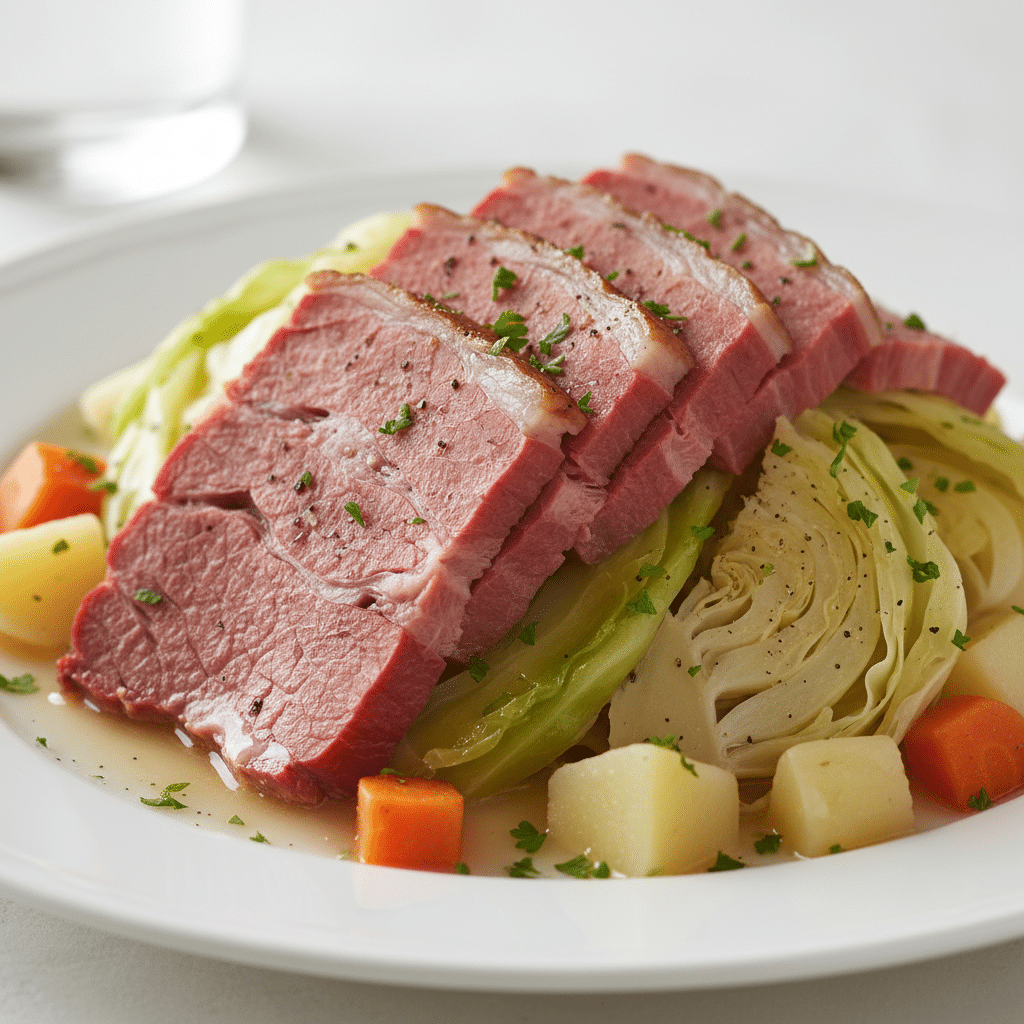
Looking for the perfect St. Patrick's Day dinner that's both traditional and nourishing? This classic corned beef and cabbage recipe delivers tender, flavorful meat alongside perfectly cooked vegetables in one satisfying pot. While this boiled dinner has Irish-American roots, it's become a beloved March tradition that brings families together around the table.
This wholesome one-pot meal features nutrient-dense ingredients like cabbage, carrots, and potatoes, all simmered to perfection with seasoned corned beef. The beauty of this corned beef recipe lies in its simplicity and the way the flavors meld together during the slow cooking process. Whether you're celebrating St. Patrick's Day or simply craving a hearty, comforting meal, this dish delivers on both flavor and nutrition.
The best part? This recipe requires minimal hands-on time. Once everything is in the pot, you can step away and let the gentle simmer work its magic, filling your kitchen with an irresistible aroma that signals comfort food at its finest.
What Makes This Recipe Healthy
This corned beef and cabbage recipe is packed with nutritional benefits that make it more than just comfort food. Cabbage is a cruciferous vegetable loaded with vitamin C, vitamin K, and beneficial plant compounds that support overall health. Just one serving provides a significant portion of your daily vitamin needs while being naturally low in calories.
The carrots add beta-carotene, which your body converts to vitamin A for eye health and immune function. Potatoes, often misunderstood, are actually nutrient powerhouses containing potassium, vitamin B6, and resistant starch when cooled, which supports digestive health.
Corned beef provides high-quality protein essential for muscle maintenance and satiety. While traditional corned beef can be high in sodium due to the brining process, you can control this by rinsing the meat before cooking and choosing lower-sodium varieties when available. The protein content helps keep you satisfied for hours after your meal.
This boiled dinner method also preserves more nutrients compared to high-heat cooking methods. The gentle simmering keeps vegetables from losing their beneficial compounds while creating a flavorful broth that contains dissolved minerals and vitamins.
Ingredients You'll Need
For the Corned Beef:
- 3-4 pounds corned beef brisket (flat cut preferred)
- 10 cups water (or enough to cover)
- 1 spice packet (usually included) or 2 tablespoons pickling spices
- 3 bay leaves
- 6 cloves garlic, peeled and smashed
For the Vegetables:
- 1 large head green cabbage, cut into wedges
- 6 medium carrots, peeled and cut into 3-inch pieces
- 2 pounds baby potatoes (or Yukon gold, halved if large)
- 1 large onion, quartered
- Fresh parsley for garnish
Optional Add-ins:
- 2 parsnips, peeled and cut into chunks
- 1 small rutabaga, peeled and cubed
- Fresh thyme sprigs
Ingredient Notes and Substitutions
Corned Beef Selection: Look for a flat cut brisket rather than a point cut. The flat cut is leaner and slices more evenly. If you're concerned about sodium, rinse the corned beef thoroughly under cold water before cooking to remove excess surface salt from the brine.
Cabbage Choices: Green cabbage is traditional, but you can use savoy cabbage for a more delicate texture. Red cabbage works too, though it will color the cooking liquid. Each variety offers slightly different nutritional profiles, with red cabbage containing additional antioxidants.
Potato Varieties: Baby potatoes hold their shape beautifully and have a creamy texture. Yukon gold potatoes offer a buttery flavor, while red potatoes provide a firmer texture. All varieties are nutritious and rich in potassium.
Root Vegetable Additions: Parsnips and rutabaga add earthy sweetness and extra fiber. These traditional additions make the dish even more substantial and increase the vegetable-to-meat ratio for a more balanced meal.
Step-by-Step Cooking Instructions
Preparing the Corned Beef
Start by removing the corned beef from its packaging and rinsing it thoroughly under cold running water. This step helps reduce some of the surface sodium while keeping the flavorful brine within the meat intact.
Place the rinsed corned beef in a large pot or Dutch oven (at least 8-quart capacity). Add enough cold water to cover the meat by about 2 inches. Add the spice packet contents (or your pickling spices), bay leaves, and smashed garlic cloves.
Bring the pot to a boil over high heat, then immediately reduce to a gentle simmer. Skim off any foam that rises to the surface during the first 10 minutes. This creates a clearer, cleaner-tasting broth.
Simmering the Meat
Cover the pot and maintain a gentle simmer for approximately 2.5 to 3 hours. The cooking time depends on the size of your brisket. Plan for about 50 minutes per pound. The meat is done when it's fork-tender and reaches an internal temperature of at least 145°F, though corned beef is best when cooked to around 190-200°F for maximum tenderness.
Check occasionally to ensure the meat stays submerged, adding more hot water if needed. Resist the urge to boil rapidly, as this can make the meat tough. Low and slow is the secret to tender, succulent corned beef.
Adding the Vegetables
About 45 minutes before the meat is done, add the onion quarters and carrot pieces to the pot. These heartier vegetables need more cooking time to become tender.
After the carrots have simmered for 20 minutes, add the potatoes. They'll need about 20-25 minutes to cook through while maintaining their shape.
Finally, about 15-20 minutes before serving, nestle the cabbage wedges into the pot. Cabbage cooks quickly and you want it tender but not mushy. It should still have a slight bite and maintain its structure.
Final Steps
Once everything is tender, carefully remove the corned beef to a cutting board and let it rest for 10-15 minutes. This allows the juices to redistribute throughout the meat.
Use a slotted spoon to transfer the vegetables to a serving platter, arranging them attractively. Keep them warm while you slice the meat.
How to Slice Corned Beef Properly
Proper slicing makes a huge difference in tenderness. Look at your corned beef and identify the direction of the grain (the lines running through the meat). Using a sharp knife, slice against the grain in thin slices, about 1/4-inch thick.
Cutting against the grain shortens the muscle fibers, making each bite more tender. If you slice with the grain, you'll be chewing through long fibers, resulting in a tougher texture even if the meat was perfectly cooked.
Arrange the sliced corned beef on the platter with your vegetables, drizzle with a bit of the cooking liquid to keep everything moist, and garnish with fresh parsley.
Serving Suggestions
This corned beef and cabbage makes a complete meal on its own, but there are several ways to enhance your St. Patrick's Day dinner presentation. Serve the sliced meat and vegetables on a large platter, family-style, allowing everyone to help themselves.
Provide whole-grain mustard or horseradish sauce on the side for those who enjoy a spicy kick. These condiments complement the rich, savory flavors without adding excessive calories.
A simple side salad with mixed greens and a light vinaigrette adds freshness and balances the hearty nature of the boiled dinner. Consider a crisp apple and walnut salad or a simple arugula salad with lemon dressing.
For bread lovers, serve with whole-grain Irish soda bread or crusty whole wheat rolls to soak up the flavorful broth. You can even save some of the cooking liquid in small bowls for dipping.
This dish is perfect for feeding a crowd. The recipe easily scales up for larger gatherings, and the presentation is impressive despite the simple cooking method.
Recipe Variations
Slow Cooker Method: Place the rinsed corned beef, spices, and garlic in a 6-quart slow cooker with enough water to barely cover. Cook on low for 8-9 hours. Add vegetables during the last hour of cooking, adding cabbage in the final 30 minutes.
Instant Pot Version: Place corned beef, spices, and 4 cups water in the Instant Pot. Pressure cook on high for 90 minutes, then natural release for 15 minutes. Remove meat, add vegetables, and pressure cook for 4 minutes with quick release.
Oven-Braised Method: Place corned beef in a roasting pan with spices and 2 cups water. Cover tightly with foil and braise at 300°F for 3 hours. Add vegetables during the last hour, re-covering with foil.
Extra Vegetables: Add turnips, leeks, or celery for additional variety and nutrients. Each vegetable brings unique flavors and health benefits to this already nutritious meal.
Spice Adjustments: If you don't have a spice packet, make your own with 2 tablespoons mustard seeds, 1 tablespoon black peppercorns, 1 tablespoon coriander seeds, 1 teaspoon red pepper flakes, and 6 whole cloves.
Storage and Meal Prep Tips
Store leftover corned beef and vegetables separately in airtight containers in the refrigerator for up to 4 days. Keep some of the cooking liquid to prevent the meat from drying out.
To reheat, place sliced corned beef in a skillet with a splash of the reserved broth over medium-low heat until warmed through. Vegetables can be reheated in the microwave or gently warmed in a pot with a bit of broth.
Corned beef freezes beautifully for up to 3 months. Slice it first, then wrap portions tightly in plastic wrap and place in freezer bags. Thaw overnight in the refrigerator before reheating.
The cooking liquid makes an excellent base for soup. Strain it, refrigerate overnight, then skim off the solidified fat. Use this flavorful broth for cabbage soup, vegetable soup, or as a cooking liquid for grains.
Leftover Ideas
Transform your leftover corned beef and cabbage into new meals throughout the week. Hash is perhaps the most popular option. Dice the corned beef, potatoes, and vegetables, then pan-fry in a skillet until crispy. Top with a poached egg for a satisfying breakfast or brunch.
Create hearty grain bowls by serving sliced corned beef over quinoa or brown rice with roasted cabbage and a dollop of mustard sauce. Add fresh greens for extra nutrition.
Make corned beef sandwiches on whole-grain bread with sauerkraut and a smear of mustard. This lighter take on a Reuben is perfect for lunch.
Chop everything finely and use as a filling for stuffed bell peppers or cabbage rolls. Mix with a bit of tomato sauce and bake until heated through.
Add diced corned beef to scrambled eggs or omelets along with leftover potatoes for a protein-packed breakfast that uses every last bit of your St. Patrick's Day feast.
Nutrition Highlights
A typical serving of this corned beef and cabbage recipe (4 ounces meat with vegetables) provides approximately 350-400 calories, 25-30 grams of protein, and a substantial amount of vitamins and minerals.
The high protein content supports muscle health and keeps you satisfied between meals. The combination of protein and fiber from the vegetables creates a balanced meal that won't spike blood sugar levels.
Cabbage is particularly impressive nutritionally, offering more vitamin C than oranges per serving. It also contains vitamin K for bone health and glucosinolates, plant compounds being studied for their potential health-protective properties.
The potassium from potatoes helps balance sodium intake and supports healthy blood pressure. While corned beef is sodium-rich due to brining, the large quantity of vegetables in this recipe helps balance the overall sodium-to-potassium ratio.
This meal provides B vitamins from the meat, antioxidants from the colorful vegetables, and beneficial fiber that most people need more of in their diets.
Tips for the Best Results
Choose a corned beef brisket with the spice packet included for authentic flavor. If unavailable, pickling spices are readily available in the spice aisle.
Don't rush the cooking process. The low, gentle simmer is what transforms tough brisket into melt-in-your-mouth tender meat. High heat will make it stringy and dry.
Keep the meat submerged throughout cooking. If it's exposed to air, those portions will dry out and become tough.
Add vegetables in stages based on their cooking times. This ensures everything finishes at the same time without any vegetables becoming mushy or remaining undercooked.
Save that cooking liquid! It's packed with flavor and makes an excellent soup base or cooking liquid for future meals.
Let the meat rest before slicing. This isn't just for roasts; even boiled meats benefit from a short rest to retain their juices.
Invest in a sharp knife for slicing. Clean cuts against the grain showcase your perfectly cooked corned beef and make every bite tender.
Frequently Asked Questions
Do I need to rinse corned beef before cooking? Yes, a quick rinse removes excess surface salt while preserving the flavor from the brine that has penetrated the meat.
Can I cook the vegetables separately? Absolutely. If you prefer more control over texture or want to use different cooking methods, you can steam or roast the vegetables separately while the meat simmers.
How do I know when the corned beef is done? It should be fork-tender, meaning a fork slides in and out easily. Internal temperature should reach at least 190°F for the best texture.
Why is my corned beef tough? Either it didn't cook long enough, or the heat was too high. Corned beef needs low, gentle heat for an extended period to break down the connective tissue.
Can I make this ahead? Yes! Cook the corned beef completely, then refrigerate. Slice it cold (it's easier to slice), then reheat gently with the vegetables on serving day.
This corned beef and cabbage recipe brings together tradition, nutrition, and incredible flavor in one pot. Whether you're celebrating St. Patrick's Day or simply enjoying a comforting boiled dinner any time of year, this classic dish delivers satisfaction in every bite.
Corned Beef and Cabbage Recipe (St Patrick's Day Classic)
Tender corned beef simmered with cabbage, carrots, and potatoes for a hearty, crowd-pleasing March dinner.
Ingredients
- 3 to 4 pounds corned beef brisket with spice packet
- 10 cups water
- 1 head green cabbage, cut into wedges
- 1 pound carrots, peeled and cut into chunks
- 2 pounds small potatoes, halved
- Salt and pepper to taste
- Fresh parsley for garnish
Instructions
- Place the corned beef brisket fat side up in a large pot or Dutch oven. Add the spice packet that came with the brisket.
- Pour water over the brisket until it is completely covered. Bring to a boil over high heat.
- Reduce heat to low, cover, and simmer for 2 1/2 to 3 hours until the meat is fork-tender.
- Remove the corned beef from the pot and set aside, covered with foil to keep warm.
- Add the potatoes and carrots to the cooking liquid. Bring to a boil and cook for 10 minutes.
- Add the cabbage wedges to the pot. Cook for an additional 10 to 15 minutes until all vegetables are tender.
- Slice the corned beef against the grain into thin slices.
- Arrange the sliced corned beef on a serving platter with the vegetables. Garnish with fresh parsley and serve hot.
Equipment
- Large pot or Dutch oven
- Sharp knife
- Cutting board
- Tongs
- Serving platter
- Aluminum foil
Notes
- The corned beef can be cooked a day ahead and reheated in the cooking liquid.
- Save the cooking liquid to use as a flavorful broth for soups.
- For extra flavor, add a few cloves of garlic and a bay leaf to the cooking liquid.
- Leftovers make excellent sandwiches on rye bread with mustard.