Introduction
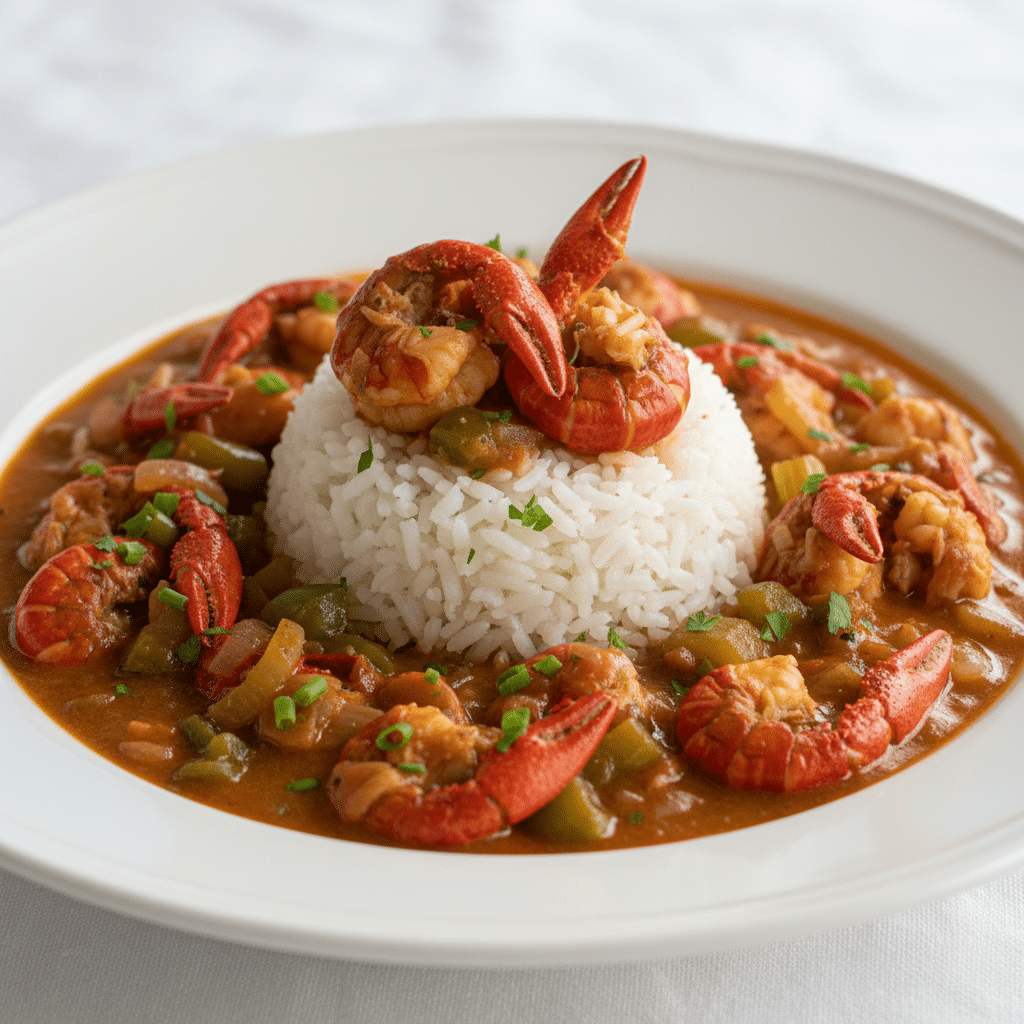
If you're looking for a taste of Louisiana's rich culinary heritage, this crawfish étouffée recipe brings the authentic flavors of Cajun country straight to your kitchen. This classic Louisiana dish features tender crawfish tails swimming in a luscious, deeply flavored sauce made with the "holy trinity" of Cajun cooking: onions, celery, and bell peppers. Served over fluffy rice, this comforting seafood dish delivers bold, savory flavors that will transport you to the bayou with every bite.
Traditionally, étouffée (which means "smothered" in French) relies on a rich roux and plenty of butter to create its signature velvety texture. Our version maintains all the authentic taste while focusing on whole-food ingredients and healthier cooking methods. Whether you're planning a special Cajun dinner or simply craving something hearty and satisfying, this crawfish étouffée is sure to become a favorite in your recipe collection.
What Makes This Recipe Special
This Louisiana recipe stands out for several reasons. First, we've crafted a flavorful base using wholesome ingredients without compromising the authentic taste that makes étouffée so beloved. The combination of fresh vegetables, aromatic herbs, and quality seafood creates layers of complex flavors that develop beautifully as the dish simmers.
Unlike some versions that rely heavily on excessive butter or processed ingredients, our approach emphasizes nutrient-dense components while still achieving that signature creamy consistency. The result is a seafood over rice dish that's both satisfying and nourishing, perfect for family dinners or when you want to impress guests with your Cajun cooking skills.
The beauty of this étouffée recipe lies in its versatility. While crawfish is the traditional star, you can adapt it based on what's available in your area, making it an accessible dish for home cooks across the country.
Ingredients You'll Need
Main Ingredients
- 1 pound crawfish tail meat, fresh or frozen (thawed if frozen)
- 2 cups long-grain brown rice or white rice
- 3 tablespoons olive oil or avocado oil
- 1/4 cup whole wheat flour or all-purpose flour
- 1 large onion, finely chopped
- 1 bell pepper (green or red), diced
- 2 celery stalks, diced
- 4 cloves garlic, minced
- 3 cups low-sodium seafood stock or vegetable broth
- 1 can (14 oz) diced tomatoes, no salt added
- 2 bay leaves
- 1 teaspoon paprika
- 1/2 teaspoon cayenne pepper (adjust to taste)
- 1 teaspoon dried thyme
- 1/2 teaspoon black pepper
- 1/2 teaspoon sea salt (or to taste)
- 1/4 cup fresh parsley, chopped
- 3 green onions, sliced
- 1 tablespoon fresh lemon juice
Ingredient Notes and Substitutions
Crawfish: Fresh Louisiana crawfish tails are ideal when in season (typically February through June), but high-quality frozen crawfish tail meat works beautifully year-round. Look for packages that contain just crawfish without added preservatives.
The Holy Trinity: The combination of onions, celery, and bell peppers forms the aromatic foundation of all great Cajun dishes. Don't skip these vegetables, as they provide essential flavor depth and valuable nutrients including vitamin C, fiber, and antioxidants.
Flour for the Roux: We use whole wheat flour for added fiber and nutrients, but all-purpose flour works equally well. The roux creates the thick, silky texture that defines a proper étouffée.
Healthy Oil: Instead of excessive butter, we use olive oil or avocado oil, both of which provide heart-healthy monounsaturated fats while still creating a flavorful base.
Stock: A good-quality, low-sodium seafood stock enhances the crawfish flavor, but vegetable broth makes an excellent substitute if seafood stock isn't available.
Spice Level: Cajun cooking is known for its heat, but you control the fire. Start with less cayenne pepper and add more to taste. The paprika adds color and mild flavor without extra heat.
Step-by-Step Instructions
Prepare the Rice
Start by cooking your rice according to package directions. For the most authentic experience, use long-grain white rice, though brown rice adds extra fiber and nutrients. Set aside and keep warm while you prepare the étouffée.
Make the Roux
Heat the oil in a large, heavy-bottomed pot or Dutch oven over medium heat. Once hot, gradually whisk in the flour, stirring constantly. This is your roux, the foundation of your étouffée. Continue stirring for 8-10 minutes until the roux reaches a medium brown color, similar to peanut butter. This step requires patience and constant attention to prevent burning, but it's crucial for developing the deep, nutty flavor characteristic of Louisiana recipes.
Build the Flavor Base
Once your roux reaches the desired color, immediately add the chopped onion, bell pepper, and celery. The vegetables will stop the roux from darkening further. Stir well to coat the vegetables with the roux, then cook for 5-7 minutes until the vegetables soften and become fragrant. Add the minced garlic and cook for another minute, stirring constantly to prevent burning.
Create the Sauce
Slowly pour in the seafood stock, stirring continuously to incorporate the roux smoothly without lumps. Add the diced tomatoes with their juice, bay leaves, paprika, cayenne pepper, thyme, black pepper, and salt. Stir everything together and bring the mixture to a gentle boil. Reduce heat to low and let it simmer uncovered for 20-25 minutes, stirring occasionally. The sauce should thicken and the flavors will meld together beautifully.
Add the Crawfish
Gently fold in the crawfish tail meat and continue simmering for another 8-10 minutes. Be careful not to overcook the crawfish, as they can become tough and rubbery. The crawfish should be heated through and tender.
Finish and Serve
Remove the bay leaves and stir in the fresh lemon juice, chopped parsley, and sliced green onions. Taste and adjust seasonings as needed. Serve the étouffée immediately over the prepared rice.
Serving Suggestions
This crawfish étouffée is traditionally served family-style, with the rich stew ladled generously over individual portions of fluffy rice. The rice soaks up the flavorful sauce, creating the perfect balance of textures and tastes in every spoonful.
For a complete Cajun dinner experience, pair your étouffée with simple, fresh sides that complement without competing. A crisp green salad with a light vinaigrette provides a refreshing contrast to the rich stew. Steamed green beans or roasted okra make excellent vegetable accompaniments that honor the Louisiana tradition.
Cornbread is another classic pairing, perfect for soaking up every last drop of that delicious sauce. For a lighter option, serve crusty whole-grain bread on the side.
Don't forget to garnish each serving with extra fresh parsley and green onions for a pop of color and fresh flavor. A lemon wedge on the side allows diners to add an extra squeeze of brightness if desired.
This dish serves 4-6 people and makes for an impressive centerpiece at dinner parties or family gatherings. The vibrant colors and aromatic scents will have everyone gathering around the table in anticipation.
Nutritional Benefits
This étouffée recipe offers more than just incredible flavor. Crawfish is an excellent source of lean protein, providing about 15 grams per 3-ounce serving while being low in calories and fat. It's also rich in vitamin B12, which supports nerve function and red blood cell formation, and provides minerals like iron, zinc, and selenium.
The holy trinity of vegetables contributes fiber, vitamins A and C, and various antioxidants that support immune health and reduce inflammation. Bell peppers are particularly high in vitamin C, while celery provides beneficial plant compounds and hydration.
Using olive oil or avocado oil instead of excessive butter increases the heart-healthy monounsaturated fat content while reducing saturated fat. These healthy fats help with nutrient absorption and support cardiovascular health.
By choosing low-sodium broth and controlling the added salt, this version is much lower in sodium than traditional restaurant preparations, making it a better choice for those watching their blood pressure or overall sodium intake.
The addition of tomatoes provides lycopene, a powerful antioxidant linked to various health benefits, while the garlic and onions offer compounds that may support heart health and immune function.
Recipe Variations
Shrimp Étouffée: Can't find crawfish in your area? Substitute with an equal amount of peeled, deveined shrimp. Add them during the last 5 minutes of cooking since shrimp cooks quickly.
Mixed Seafood: Create a seafood medley by combining crawfish with shrimp, crab meat, or even chunks of firm white fish like cod or halibut.
Vegetarian Version: Replace the crawfish with chickpeas, white beans, or hearty mushrooms for a plant-based take on this Louisiana classic. Use vegetable broth and add extra vegetables like diced zucchini or mushrooms.
Extra Vegetables: Boost the nutrient content by adding diced carrots, chopped spinach, or sliced okra to the sauce.
Spice It Up: For true Louisiana heat, add a few dashes of hot sauce, extra cayenne, or some diced jalapeños along with the holy trinity.
Cauliflower Rice: For a lower-carb option, serve the étouffée over cauliflower rice instead of traditional rice.
Storage and Meal Prep Tips
Crawfish étouffée stores beautifully, making it perfect for meal prep or enjoying leftovers throughout the week. Allow the étouffée to cool completely before transferring to airtight containers. Store in the refrigerator for up to 3 days.
The flavors actually deepen and improve after a day in the refrigerator, as the spices have more time to meld together. Reheat gently on the stovetop over low heat, adding a splash of broth if the sauce has thickened too much. You can also reheat individual portions in the microwave.
For longer storage, this étouffée freezes well for up to 3 months. Freeze in portion-sized containers for easy weeknight meals. Thaw overnight in the refrigerator before reheating.
Store the rice separately from the étouffée for best results. Cooked rice can be refrigerated for up to 5 days or frozen for up to 6 months. This prevents the rice from absorbing too much sauce and becoming mushy.
When meal prepping, consider cooking a large batch of the étouffée base and freezing it in portions. You can then quickly cook fresh rice and reheat the sauce for an easy, impressive dinner any night of the week.
Tips for Success
Don't Rush the Roux: The roux is the foundation of your étouffée. Take your time to develop the proper color and nutty flavor. Rushing this step will result in a less flavorful dish.
Constant Stirring: When making the roux, stir constantly to prevent burning. A burned roux will taste bitter and ruin your entire dish.
Quality Crawfish: The quality of your crawfish matters. Look for tail meat that's plump and fresh-smelling, without any ammonia odor.
Taste and Adjust: Cajun cooking is all about bold flavors. Taste your étouffée before serving and adjust the seasonings. You might need more salt, cayenne, or a squeeze of lemon to brighten the flavors.
Proper Consistency: The sauce should be thick enough to coat the back of a spoon but still pourable. If it's too thick, add more broth. If too thin, let it simmer a bit longer uncovered.
Fresh Herbs Matter: The fresh parsley and green onions added at the end provide a burst of fresh flavor that balances the rich sauce. Don't skip this step.
Conclusion
This crawfish étouffée recipe brings authentic Louisiana flavor to your table while focusing on wholesome, nutrient-dense ingredients. The combination of tender crawfish, aromatic vegetables, and perfectly seasoned sauce creates a comforting meal that's both satisfying and nourishing. Whether you're new to Cajun cooking or a seasoned pro, this étouffée recipe delivers restaurant-quality results in your own kitchen.
The beauty of this dish lies not only in its incredible flavor but also in its versatility and make-ahead friendly nature. It's perfect for busy weeknights, special occasions, or any time you're craving the bold, comforting taste of Louisiana cuisine. With simple whole-food ingredients and straightforward techniques, you can master this classic seafood over rice dish and make it a regular part of your dinner rotation.
So gather your ingredients, take your time with that roux, and get ready to enjoy one of Louisiana's most beloved dishes. Your taste buds will thank you, and you might just find yourself making this crawfish étouffée again and again.
Crawfish Etouffee Recipe: Louisiana Classic
A rich, savory Cajun-style stew served over rice, comforting and packed with bold flavor.
Ingredients
- 1/2 cup unsalted butter
- 1/2 cup all-purpose flour
- 1 large onion, finely chopped
- 1 green bell pepper, finely chopped
- 2 celery stalks, finely chopped
- 4 cloves garlic, minced
- 2 cups seafood stock or chicken broth
- 1 tablespoon tomato paste
- 2 teaspoons Cajun seasoning
- 1 teaspoon paprika
- 1/2 teaspoon cayenne pepper
- 1 bay leaf
- 2 pounds crawfish tails, peeled
- 1/4 cup green onions, sliced
- 1/4 cup fresh parsley, chopped
- Salt and black pepper to taste
- Cooked white rice for serving
- Hot sauce for serving (optional)
Instructions
- In a large heavy-bottomed pot or Dutch oven, melt the butter over medium heat.
- Add the flour and stir constantly to create a blonde roux, cooking for about 5-7 minutes until it reaches a light golden color.
- Add the chopped onion, bell pepper, and celery to the roux. Cook for 5-6 minutes until the vegetables are softened.
- Stir in the minced garlic and cook for 1 minute until fragrant.
- Gradually whisk in the seafood stock, stirring constantly to prevent lumps from forming.
- Add the tomato paste, Cajun seasoning, paprika, cayenne pepper, and bay leaf. Stir well to combine.
- Bring the mixture to a simmer and cook for 15 minutes, stirring occasionally, until the sauce thickens.
- Add the crawfish tails and cook for 5-7 minutes until heated through. Do not overcook or the crawfish will become tough.
- Stir in the green onions and parsley. Season with salt and black pepper to taste.
- Remove the bay leaf and serve the etouffee hot over cooked white rice.
- Pass hot sauce at the table for those who want extra heat.
Equipment
- Large heavy-bottomed pot or Dutch oven
- Wooden spoon or whisk
- Measuring cups and spoons
- Knife and cutting board
Notes
- If crawfish tails are not available, substitute with shrimp or a combination of both.
- The roux should be watched carefully and stirred constantly to prevent burning.
- For a darker, richer flavor, cook the roux a bit longer to achieve a medium brown color.
- Etouffee can be made ahead and reheats well. Store in the refrigerator for up to 3 days.
- Frozen crawfish tails work perfectly for this recipe - just thaw them before using.
- Adjust the cayenne pepper according to your heat preference.