Introduction
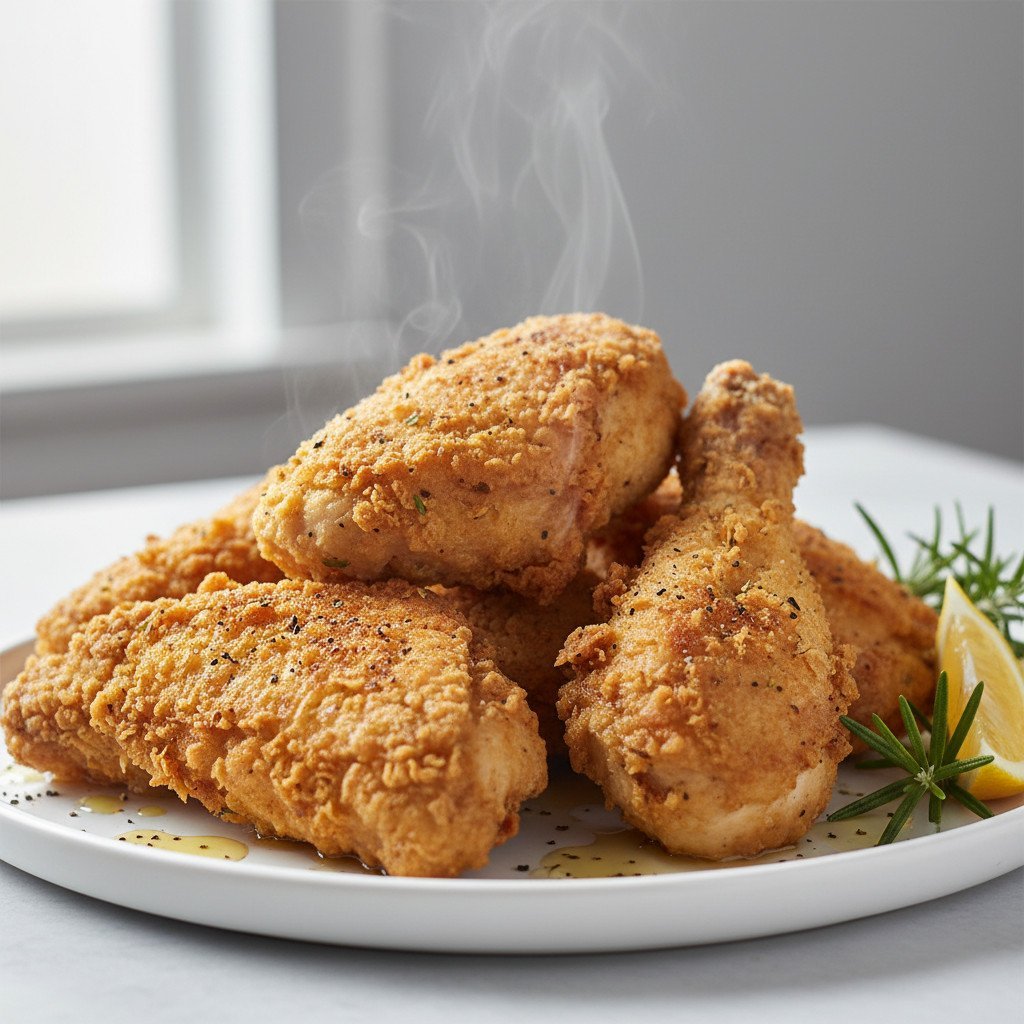
There's nothing quite like biting into perfectly crispy fried chicken with tender, juicy meat inside. This homemade fried chicken recipe delivers that classic golden crust and flavorful interior that makes this dish a beloved favorite across the country. Whether you're planning a family dinner, hosting a gathering, or simply craving comfort food done right, this southern fried chicken will exceed your expectations.
What sets this recipe apart is the focus on quality ingredients and proper technique. By using a well-seasoned coating, the right cooking temperature, and timing, you'll achieve restaurant-quality results in your own kitchen. The combination of herbs and spices creates layers of flavor that penetrate the meat while the exterior becomes irresistibly crunchy.
This crispy fried chicken recipe is surprisingly approachable for home cooks of all skill levels. With a few key tips and a bit of patience, you'll master this classic chicken dinner that's sure to become a regular request from family and friends.
Why You'll Love This Recipe
This homemade fried chicken stands out for several compelling reasons. First, the seasoning blend creates depth of flavor that goes beyond basic salt and pepper. The coating adheres beautifully to the chicken, creating that satisfying crunch with every bite.
The method used here ensures the chicken cooks evenly, with the inside reaching perfect doneness while the outside develops that gorgeous golden-brown color. Unlike some recipes that result in greasy or soggy coating, this approach produces chicken that's crispy even after it cools slightly.
Additionally, this recipe uses everyday pantry ingredients, making it accessible without requiring specialty items. The technique is straightforward, and while there are several steps, none are complicated. You'll find that the active cooking time is reasonable, and the results are well worth the effort.
Ingredients You'll Need
For the Chicken
- 3-4 pounds chicken pieces (legs, thighs, breasts, wings)
- 2 cups buttermilk (or milk with 2 tablespoons lemon juice)
- 1 teaspoon sea salt
- 1/2 teaspoon black pepper
For the Coating
- 2 cups all-purpose flour (or whole wheat flour for added nutrition)
- 2 teaspoons paprika
- 1 1/2 teaspoons garlic powder
- 1 1/2 teaspoons onion powder
- 1 teaspoon dried thyme
- 1 teaspoon dried oregano
- 1 teaspoon sea salt
- 1 teaspoon black pepper
- 1/2 teaspoon cayenne pepper (adjust to taste)
For Frying
- High-quality oil for frying (avocado oil, coconut oil, or sunflower oil)
Ingredient Notes and Substitutions
Buttermilk: This ingredient serves as both a tenderizer and flavor enhancer. The acidity helps break down proteins, resulting in more tender meat. If you don't have buttermilk, create a substitute by adding lemon juice or apple cider vinegar to regular milk and letting it sit for 5 minutes.
Flour Choice: While all-purpose flour creates a classic coating, you can use whole wheat flour for added fiber and nutrients. For a gluten-free version, try a gluten-free flour blend or almond flour, though the texture will differ slightly.
Oil Selection: Choose oils with high smoke points for frying. Avocado oil is excellent for its neutral flavor and healthy fat profile. Coconut oil adds a subtle sweetness and contains beneficial medium-chain triglycerides. Avoid oils that break down at high temperatures.
Chicken Pieces: Bone-in, skin-on pieces work best for traditional fried chicken. Dark meat (thighs and legs) tends to stay juicier, while breasts offer leaner protein. Using a mix provides variety for different preferences.
Spices: Feel free to adjust the seasoning blend to your taste. Add more cayenne for heat, increase the herbs for earthier flavor, or include smoked paprika for depth.
Step-by-Step Instructions
Marinating the Chicken
Start by placing your chicken pieces in a large bowl or resealable bag. Pour the buttermilk over the chicken, ensuring all pieces are submerged. Add 1 teaspoon salt and 1/2 teaspoon black pepper to the buttermilk. Seal or cover and refrigerate for at least 2 hours, or preferably overnight. This marination step is crucial for tender, flavorful chicken.
Preparing the Coating
In a large shallow dish or bowl, combine the flour with all the dried spices: paprika, garlic powder, onion powder, thyme, oregano, salt, black pepper, and cayenne. Whisk everything together thoroughly to ensure even distribution of seasonings throughout the flour mixture.
Coating the Chicken
Remove the chicken from the refrigerator about 20 minutes before frying to take the chill off. Set up your coating station with the seasoned flour in one dish and a clean plate for the coated chicken. Remove each piece from the buttermilk, letting excess drip off, then dredge thoroughly in the flour mixture. Press the flour into the chicken to create a thick, even coating. Shake off any excess and place on the clean plate. Repeat with all pieces.
Heating the Oil
Pour oil into a heavy-bottomed pot or deep skillet to a depth of about 2-3 inches. Heat over medium-high heat until the oil reaches 350-375°F. Use a cooking thermometer to monitor the temperature accurately. This temperature range is essential for crispy coating without burning.
Frying the Chicken
Carefully place chicken pieces into the hot oil without crowding the pot. Fry in batches if necessary. Dark meat pieces typically need 12-14 minutes, while white meat requires 10-12 minutes. Turn the pieces halfway through cooking to ensure even browning. The chicken is done when it reaches an internal temperature of 165°F and the coating is deep golden brown.
Draining and Resting
Remove the fried chicken with tongs and place on a wire rack set over a baking sheet or on paper towels. This allows excess oil to drain away, keeping the coating crispy. Let the chicken rest for 5 minutes before serving. This resting period allows juices to redistribute throughout the meat.
Tips for Perfect Crispy Fried Chicken
Temperature Control: Maintaining consistent oil temperature is the single most important factor. If the oil is too cool, the coating absorbs grease and becomes soggy. Too hot, and the outside burns before the inside cooks. Adjust your heat as needed between batches.
Don't Overcrowd: Placing too many pieces in the pot at once drops the oil temperature significantly. Fry in batches, allowing the oil to return to proper temperature between batches.
Pat Dry Option: Some cooks prefer to pat the chicken dry after the buttermilk soak before coating. This can create an even crispier crust, though both methods work well.
Double Dredging: For extra-thick coating, dip the floured chicken back into buttermilk briefly, then coat with flour again. This creates a more substantial crust.
Season Immediately: If desired, sprinkle a tiny bit of extra salt on the chicken right after removing it from the oil while it's still glistening. The salt will adhere and enhance flavor.
Nutritional Benefits
While fried chicken is certainly an indulgent dish, it does provide nutritional value when prepared thoughtfully. Chicken is an excellent source of high-quality protein, essential for muscle maintenance, immune function, and overall health. A serving provides approximately 25-30 grams of protein.
The buttermilk marinade adds probiotics and calcium, supporting digestive and bone health. By choosing quality oils like avocado oil, you incorporate healthy monounsaturated fats that support heart health and reduce inflammation.
The herbs and spices in the coating aren't just for flavor. Garlic powder contains compounds that support cardiovascular health, while paprika provides vitamin A and antioxidants. Thyme and oregano offer antimicrobial properties and additional antioxidants.
To make this dish lighter, you can remove the skin before eating, significantly reducing fat and calorie content while retaining the flavorful coating. Pairing fried chicken with vegetable sides creates a more balanced meal with added fiber, vitamins, and minerals.
Recipe Variations
Spicy Fried Chicken: Increase cayenne pepper to 1-2 teaspoons and add 1/2 teaspoon of chili powder to the flour mixture. You can also add hot sauce to the buttermilk marinade.
Herb-Crusted Version: Double the dried herbs and add fresh chopped rosemary or sage to the flour mixture for a more herbaceous profile.
Buttermilk Ranch Style: Add 1 tablespoon of dried dill and 1 tablespoon of dried parsley to the coating for ranch-inspired flavors.
Lemon Pepper Fried Chicken: Add 2 tablespoons of lemon zest and increase black pepper to 2 teaspoons for bright, peppery flavor.
Lighter Oven-Fried Version: After coating, place chicken on a greased baking sheet and spray lightly with oil. Bake at 425°F for 35-45 minutes, turning halfway through, until golden and cooked through.
Serving Suggestions
This crispy fried chicken pairs beautifully with classic comfort food sides. Consider serving it alongside creamy coleslaw for a cool, crunchy contrast to the hot, crispy chicken. The tangy dressing complements the rich, savory coating perfectly.
Roasted or steamed vegetables add nutritional balance to the meal. Try green beans, broccoli, or roasted Brussels sprouts for fiber and vitamins. A fresh garden salad with mixed greens, tomatoes, and cucumbers provides refreshing lightness.
For a traditional southern-style meal, serve with cornbread, collard greens, and baked sweet potatoes. The combination creates a satisfying, well-rounded dinner. Mashed cauliflower or traditional mashed potatoes also make excellent accompaniments.
Don't forget dipping sauces. Honey mustard, ranch dressing, or a simple hot sauce can enhance the eating experience. Fresh lemon wedges squeezed over the hot chicken add brightness that cuts through the richness.
This fried chicken is also perfect for picnics and potlucks since it's delicious at room temperature. Pack it in a container lined with paper towels to maintain crispiness during transport.
Storage and Reheating
Store leftover fried chicken in an airtight container in the refrigerator for up to 3-4 days. Place paper towels between layers to absorb any moisture that could soften the coating.
For best results when reheating, use your oven rather than the microwave. Preheat the oven to 375°F, place chicken pieces on a wire rack over a baking sheet, and heat for 15-20 minutes until warmed through and the coating crisps up again.
You can also freeze fried chicken for up to 2-3 months. Wrap individual pieces tightly in plastic wrap, then place in a freezer bag. Thaw overnight in the refrigerator before reheating in the oven as directed above.
For meal prep purposes, you can prepare the chicken through the coating stage, then freeze uncooked. Fry directly from frozen, adding a few extra minutes to the cooking time.
Frequently Asked Questions
Can I make this ahead? Yes, you can marinate the chicken up to 24 hours in advance. The coating can be prepared and stored in an airtight container for several days. However, for best results, coat and fry the chicken just before serving.
Why is my coating falling off? This usually happens when the chicken is too wet when coating or when the oil temperature is incorrect. Ensure excess buttermilk drips off before dredging, and maintain proper oil temperature throughout frying.
How do I know when it's done? Always use a meat thermometer. The internal temperature should reach 165°F in the thickest part of the meat. The coating should be deep golden brown, and juices should run clear.
Can I use boneless chicken? Absolutely. Boneless, skinless chicken breasts or thighs work well, though cooking time will be shorter, typically 6-8 minutes depending on thickness.
Final Thoughts
This crispy fried chicken recipe delivers everything you want in this classic dish: a crunchy, well-seasoned coating surrounding tender, juicy meat. By following these techniques and using quality ingredients, you'll create homemade fried chicken that rivals any restaurant version.
The beauty of this recipe lies in its versatility. Adjust the seasonings to match your preferences, try different coating variations, or experiment with cooking methods. Each time you make it, you'll gain confidence and develop your own perfect approach.
Whether you're cooking for a casual weeknight dinner or a special weekend gathering, this southern fried chicken is sure to impress. The combination of proper technique, flavorful seasoning, and quality ingredients creates a dish that's truly satisfying and memorable.
Fried Chicken Recipe (Crispy, Juicy, Classic)
Crispy golden fried chicken with juicy meat and seasoned coating, great for family dinners and gatherings.
Ingredients
- 3 pounds chicken pieces (drumsticks, thighs, breasts)
- 2 cups buttermilk
- 2 cups all-purpose flour
- 2 teaspoons salt
- 1 teaspoon black pepper
- 1 teaspoon paprika
- 1 teaspoon garlic powder
- 1/2 teaspoon cayenne pepper
- 1/2 teaspoon onion powder
- Vegetable oil for frying
Instructions
- Place chicken pieces in a large bowl and pour buttermilk over them. Cover and refrigerate for at least 2 hours or overnight.
- In a large shallow dish, combine flour, salt, black pepper, paprika, garlic powder, cayenne pepper, and onion powder. Mix well.
- Heat 2 inches of vegetable oil in a large heavy skillet or Dutch oven to 350 degrees F.
- Remove chicken from buttermilk, allowing excess to drip off. Dredge each piece thoroughly in the seasoned flour mixture, pressing to coat well.
- Carefully place chicken pieces in the hot oil, skin side down. Do not overcrowd the pan.
- Fry for 12-15 minutes, then turn and fry for another 10-12 minutes until golden brown and internal temperature reaches 165 degrees F.
- Remove chicken and drain on a wire rack set over a baking sheet or on paper towels.
- Let rest for 5 minutes before serving.
Equipment
- Large bowl
- Large shallow dish
- Large heavy skillet or Dutch oven
- Cooking thermometer
- Wire rack
- Baking sheet
- Tongs
- Paper towels
Notes
- For extra crispy chicken, double dredge by dipping floured chicken back in buttermilk and then in flour again.
- Maintain oil temperature between 325-350 degrees F for best results.
- Dark meat takes slightly longer to cook than white meat.
- Chicken can be kept warm in a 200 degrees F oven while frying remaining batches.
- Leftover fried chicken can be stored in the refrigerator for up to 3 days.