Introduction
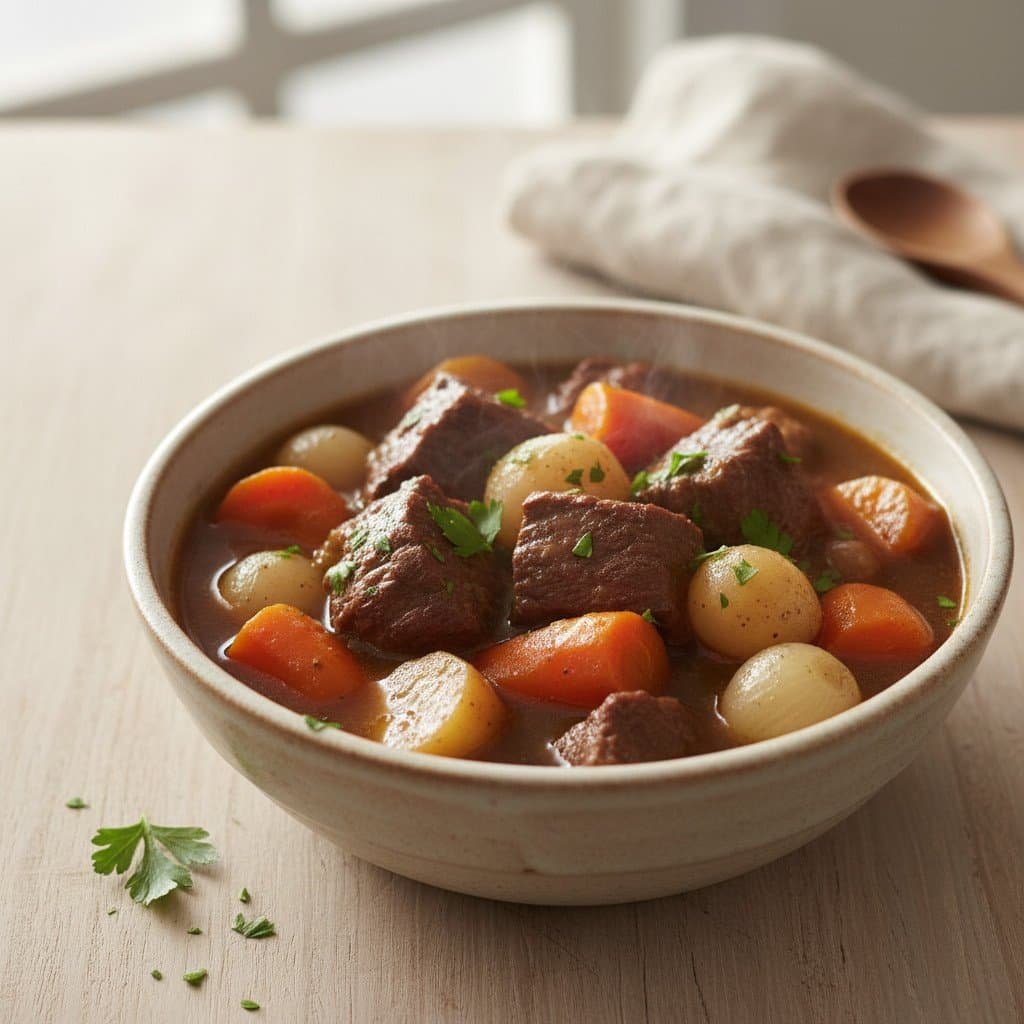
There's nothing quite like a bowl of hearty beef stew to warm you from the inside out on a chilly evening. This homemade beef stew recipe transforms simple, wholesome ingredients into a rich and comforting meal that's perfect for family dinners or meal prep for the week ahead. With tender chunks of beef, hearty vegetables, and a deeply flavorful broth, this comfort food dinner checks all the boxes for nutrition, taste, and satisfaction.
What makes this easy beef stew stand out is its focus on clean, nutrient-dense ingredients and a slow-simmering technique that develops incredible depth of flavor. Whether you're an experienced home cook or just starting your culinary journey, this recipe will become a staple in your kitchen rotation.
Why You'll Love This Hearty Beef Stew Recipe
This beef stew recipe delivers on multiple fronts. First, it's incredibly nourishing, packed with high-quality protein from grass-fed beef, complex carbohydrates from potatoes, and essential vitamins from colorful vegetables. The slow cooking process breaks down tough cuts of meat into fork-tender bites while allowing the flavors to meld beautifully.
Second, it's wonderfully versatile. You can adapt this homemade beef stew to whatever vegetables you have on hand or dietary preferences you're following. It's also an excellent make-ahead meal that actually tastes better the next day as the flavors continue to develop.
Finally, this recipe is surprisingly simple. Despite its impressive taste and presentation, this hearty beef stew doesn't require advanced cooking techniques or hard-to-find ingredients. Just quality whole foods, a bit of patience, and you'll have a restaurant-worthy dish ready to serve.
Ingredient Notes and Health Benefits
Beef Chuck Roast
The foundation of any great beef stew recipe is the meat itself. Chuck roast is ideal because it contains just enough marbling to stay moist during long cooking while becoming incredibly tender. Look for grass-fed beef when possible, as it contains higher levels of omega-3 fatty acids and conjugated linoleic acid (CLA), both beneficial for heart health. The protein in beef supports muscle maintenance and provides essential amino acids your body needs.
Root Vegetables
Carrots and potatoes form the vegetable backbone of this comfort food dinner. Carrots are rich in beta-carotene, which converts to vitamin A in your body and supports eye health and immune function. Potatoes, often unfairly criticized, are actually excellent sources of potassium, vitamin C, and resistant starch when cooked and cooled. Choose Yukon gold or red potatoes for the best texture.
Aromatics
Onions and garlic do more than add flavor to this easy beef stew. They contain powerful antioxidants and sulfur compounds that support cardiovascular health and may have anti-inflammatory properties. The slow cooking process mellows their sharpness while infusing the entire dish with savory depth.
Herbs and Tomato Paste
Fresh or dried thyme and bay leaves contribute earthy, aromatic notes that define classic beef stew. Tomato paste adds umami richness and provides lycopene, a potent antioxidant. These ingredients work together to create a complex flavor profile without relying on processed seasonings.
Bone Broth
Using homemade or high-quality bone broth instead of regular stock elevates this hearty beef stew nutritionally. Bone broth contains collagen, gelatin, and minerals that support gut health, joint function, and skin elasticity. It also contributes to the stew's luxurious, silky texture.
Equipment You'll Need
To make this homemade beef stew, you'll need a few basic kitchen tools. A large Dutch oven or heavy-bottomed pot is essential for even heat distribution and preventing scorching. If you have an enameled cast iron Dutch oven, this is the perfect recipe to use it. You'll also need a sharp knife and cutting board for prep work, measuring cups and spoons, and a wooden spoon for stirring.
For the best results, consider using a slow cooker or Instant Pot as alternative cooking methods, which we'll discuss in the variations section.
Step-by-Step Cooking Instructions
Preparing the Beef
Start by patting your beef chuck roast completely dry with paper towels. This step is crucial for achieving a good sear. Cut the meat into 1.5 to 2-inch cubes, trimming away any large pieces of fat but leaving some marbling intact. Season the beef generously with sea salt and freshly ground black pepper on all sides.
Searing for Flavor
Heat two tablespoons of avocado oil or ghee in your Dutch oven over medium-high heat. Once the oil shimmers, add the beef in a single layer, working in batches to avoid overcrowding. Overcrowding causes the meat to steam rather than sear, which means you'll miss out on the flavorful brown crust that adds depth to your hearty beef stew.
Sear each batch for 3-4 minutes per side until deeply browned. Don't rush this step. Transfer the seared beef to a plate and set aside.
Building the Flavor Base
Reduce the heat to medium and add another tablespoon of oil if needed. Add diced onions to the pot and cook for 5-6 minutes, stirring occasionally, until softened and beginning to caramelize. Add minced garlic and cook for another minute until fragrant.
Stir in tomato paste and cook for 2-3 minutes, allowing it to darken slightly and develop a deeper flavor. This technique, called "blooming" the tomato paste, removes any raw taste and concentrates its umami qualities.
Deglazing and Simmering
Pour in a splash of bone broth and use your wooden spoon to scrape up all the browned bits stuck to the bottom of the pot. These caramelized bits, called fond, contain concentrated flavor that's essential to an authentic beef stew recipe.
Return the seared beef and any accumulated juices to the pot. Add the remaining bone broth, bay leaves, and fresh thyme sprigs. Bring the mixture to a gentle boil, then reduce the heat to low. Cover the pot and let it simmer gently for 1.5 hours, stirring occasionally.
Adding Vegetables
After the beef has simmered and become tender, add your cut potatoes and carrots. The vegetables should be cut into similar-sized pieces (about 1.5 inches) to ensure even cooking. Stir everything together, cover again, and continue simmering for another 45 minutes to 1 hour, until the vegetables are fork-tender and the beef practically falls apart.
Final Adjustments
Remove the bay leaves and thyme sprigs. Taste the stew and adjust the seasoning with additional salt and pepper as needed. If you prefer a thicker consistency, you can mash a few potato pieces against the side of the pot to release their starch, or mix a tablespoon of arrowroot powder with cold water and stir it into the simmering stew.
Recipe Variations
Slow Cooker Method
For an even easier approach to this easy beef stew, use your slow cooker. After searing the beef and sautéing the aromatics (which you can do in a skillet), transfer everything to your slow cooker with the remaining ingredients. Cook on low for 8-10 hours or high for 5-6 hours.
Instant Pot Version
Using an Instant Pot dramatically reduces cooking time while still delivering tender results. After searing and building your flavor base directly in the Instant Pot using the sauté function, add all remaining ingredients. Seal the lid and cook on high pressure for 35 minutes, followed by a natural release for 15 minutes.
Vegetable Additions
Feel free to customize your hearty beef stew with additional vegetables. Celery, parsnips, turnips, or butternut squash all work beautifully. Add heartier vegetables like root vegetables at the same time as the potatoes and carrots. For quicker-cooking vegetables like green beans or peas, stir them in during the last 10 minutes of cooking.
Herb Variations
While thyme and bay leaves are traditional, you can experiment with rosemary, oregano, or a combination of herbs. Fresh herbs generally provide brighter flavor, while dried herbs offer more concentrated taste. Remember that dried herbs are more potent, so use about one-third the amount if substituting for fresh.
Serving Suggestions
This homemade beef stew is hearty enough to serve as a complete meal on its own, but there are plenty of delicious ways to round out your comfort food dinner. Serve it in deep bowls with a slice of crusty sourdough bread or homemade biscuits for soaking up every drop of the flavorful broth.
For a lighter accompaniment, pair your beef stew with a crisp green salad dressed with a simple vinaigrette. The fresh, acidic greens provide a nice contrast to the rich, savory stew. Roasted Brussels sprouts or steamed green beans also make excellent side dishes.
If you're serving this hearty beef stew for a special occasion or dinner party, consider garnishing each bowl with fresh chopped parsley or thyme leaves for a pop of color and freshness. A dollop of whole-milk yogurt or sour cream can add a tangy creaminess that complements the deep flavors beautifully.
For family-style serving, bring the Dutch oven directly to the table. There's something wonderfully rustic and inviting about ladling stew from a beautiful pot at the dinner table.
Storage and Meal Prep Tips
One of the best things about this beef stew recipe is how well it stores and reheats. In fact, many people find that it tastes even better the next day after the flavors have had more time to meld together.
Refrigeration
Allow the stew to cool to room temperature, then transfer it to airtight containers. Properly stored, your homemade beef stew will keep in the refrigerator for 4-5 days. When reheating, do so gently on the stovetop over medium-low heat, stirring occasionally. You may need to add a splash of broth or water if the stew has thickened considerably.
Freezing
This hearty beef stew freezes exceptionally well for up to 3 months. For best results, let the stew cool completely before transferring to freezer-safe containers. Leave about an inch of headspace at the top of containers to allow for expansion during freezing.
To thaw, transfer the container to the refrigerator 24 hours before you plan to serve it. Reheat gently on the stovetop, adding a bit of liquid if needed to restore the desired consistency.
Meal Prep Strategy
Consider making a double batch of this easy beef stew on a Sunday to enjoy throughout the week. Portion it into individual containers for grab-and-go lunches, or keep it in a large container for easy family dinners. Pair with different sides throughout the week to keep meals interesting.
Nutritional Highlights
This hearty beef stew delivers impressive nutritional value in every bowl. A typical serving provides approximately 350-400 calories with a balanced macronutrient profile: substantial protein from the beef (around 30-35 grams per serving), complex carbohydrates from the potatoes and vegetables, and healthy fats from the cooking oil and natural meat marbling.
The vitamin and mineral content is equally impressive. You'll get significant amounts of vitamin A from the carrots, vitamin C from the potatoes and tomatoes, iron and zinc from the beef, and potassium from multiple ingredients. The bone broth adds collagen and amino acids that support gut health and tissue repair.
By focusing on whole, minimally processed ingredients, this beef stew recipe avoids the excessive sodium, preservatives, and artificial additives found in many canned or packaged versions. You control exactly what goes into your pot, making it a truly nourishing comfort food dinner.
Tips for the Best Results
To ensure your homemade beef stew turns out perfectly every time, keep these expert tips in mind:
Don't skip the searing. While it adds an extra step, properly browning the beef creates layers of flavor that can't be replicated any other way.
Low and slow wins the race. Resist the urge to increase the heat to speed up cooking. Gentle simmering breaks down the connective tissue in the beef gradually, resulting in tender, not tough, meat.
Cut vegetables uniformly. Similar-sized pieces ensure everything cooks at the same rate, preventing some pieces from becoming mushy while others remain undercooked.
Season in stages. Add salt and pepper when seasoning the beef, again after adding the broth, and finally at the end. This layered approach builds better overall flavor.
Let it rest. If time allows, let the finished stew sit for 10-15 minutes before serving. This brief rest allows the flavors to settle and the stew to thicken slightly.
Frequently Asked Questions
Can I use a different cut of beef?
While chuck roast is ideal for this hearty beef stew, you can also use beef round or brisket. Avoid lean cuts like sirloin, which will become dry and tough during long cooking.
How can I make this stew thicker?
The stew naturally thickens as it cooks and the vegetables break down. For an even thicker consistency, mash some of the potato pieces, add a slurry of arrowroot powder and water, or simmer uncovered for the last 20-30 minutes to reduce the liquid.
Can I make this in advance?
Absolutely! This easy beef stew is perfect for advance preparation. Make it 1-2 days ahead and store it in the refrigerator. The flavors will actually improve with time.
What if I don't have bone broth?
Regular beef stock or broth works fine, though you'll miss out on some of the nutritional benefits and rich body that bone broth provides. Look for low-sodium versions so you can control the salt level yourself.
Conclusion
This hearty beef stew recipe proves that comfort food can be both delicious and nutritious. By starting with quality ingredients and using simple cooking techniques, you can create a meal that satisfies on every level. The tender beef, hearty vegetables, and rich broth come together in a dish that feels like a warm hug in a bowl.
Whether you're cooking for your family on a weeknight, meal prepping for the week ahead, or serving guests at a casual dinner party, this homemade beef stew delivers every time. It's the kind of recipe that becomes a family favorite, requested again and again as the weather cools and appetites grow.
So gather your ingredients, pull out your Dutch oven, and get ready to fill your home with the irresistible aroma of this classic comfort food dinner. Your taste buds and your body will thank you for choosing this wholesome, satisfying meal.
Hearty Beef Stew Recipe (Rich and Comforting)
A slow simmered beef stew with tender chunks of beef, potatoes, and carrots for a warm and satisfying family dinner.
Ingredients
- 2 pounds beef chuck, cut into 1-inch cubes
- 2 tablespoons vegetable oil
- 1 large onion, diced
- 3 cloves garlic, minced
- 4 cups beef broth
- 1 cup red wine
- 2 tablespoons tomato paste
- 2 bay leaves
- 1 teaspoon dried thyme
- 1 teaspoon salt
- 1/2 teaspoon black pepper
- 4 large carrots, peeled and cut into chunks
- 4 medium potatoes, peeled and cut into chunks
- 2 celery stalks, chopped
- 3 tablespoons all-purpose flour
- 1/4 cup water
- 2 tablespoons fresh parsley, chopped
Instructions
- Pat the beef cubes dry with paper towels and season with salt and pepper.
- Heat the vegetable oil in a large Dutch oven or heavy pot over medium-high heat.
- Brown the beef in batches, about 3-4 minutes per side, then remove and set aside.
- Add the diced onion to the pot and cook for 5 minutes until softened.
- Add the garlic and cook for 1 minute until fragrant.
- Stir in the tomato paste and cook for 1 minute.
- Pour in the red wine and scrape up any browned bits from the bottom of the pot.
- Return the beef to the pot and add the beef broth, bay leaves, thyme, salt, and pepper.
- Bring to a boil, then reduce heat to low, cover, and simmer for 1 hour and 30 minutes.
- Add the carrots, potatoes, and celery to the pot.
- Continue simmering covered for another 45 minutes to 1 hour until vegetables and beef are tender.
- Mix the flour and water together to make a slurry, then stir into the stew.
- Cook uncovered for 10 minutes until the stew thickens.
- Remove bay leaves, taste and adjust seasoning if needed.
- Garnish with fresh parsley before serving.
Equipment
- Large Dutch oven or heavy pot
- Cutting board
- Sharp knife
- Measuring cups and spoons
- Wooden spoon
- Paper towels
Notes
- For best results, use beef chuck roast as it becomes very tender when slow cooked.
- You can substitute the red wine with additional beef broth if preferred.
- This stew tastes even better the next day after the flavors have melded together.
- Store leftovers in an airtight container in the refrigerator for up to 4 days.
- Can be frozen for up to 3 months.
- Serve with crusty bread or over mashed potatoes for an extra hearty meal.