Introduction
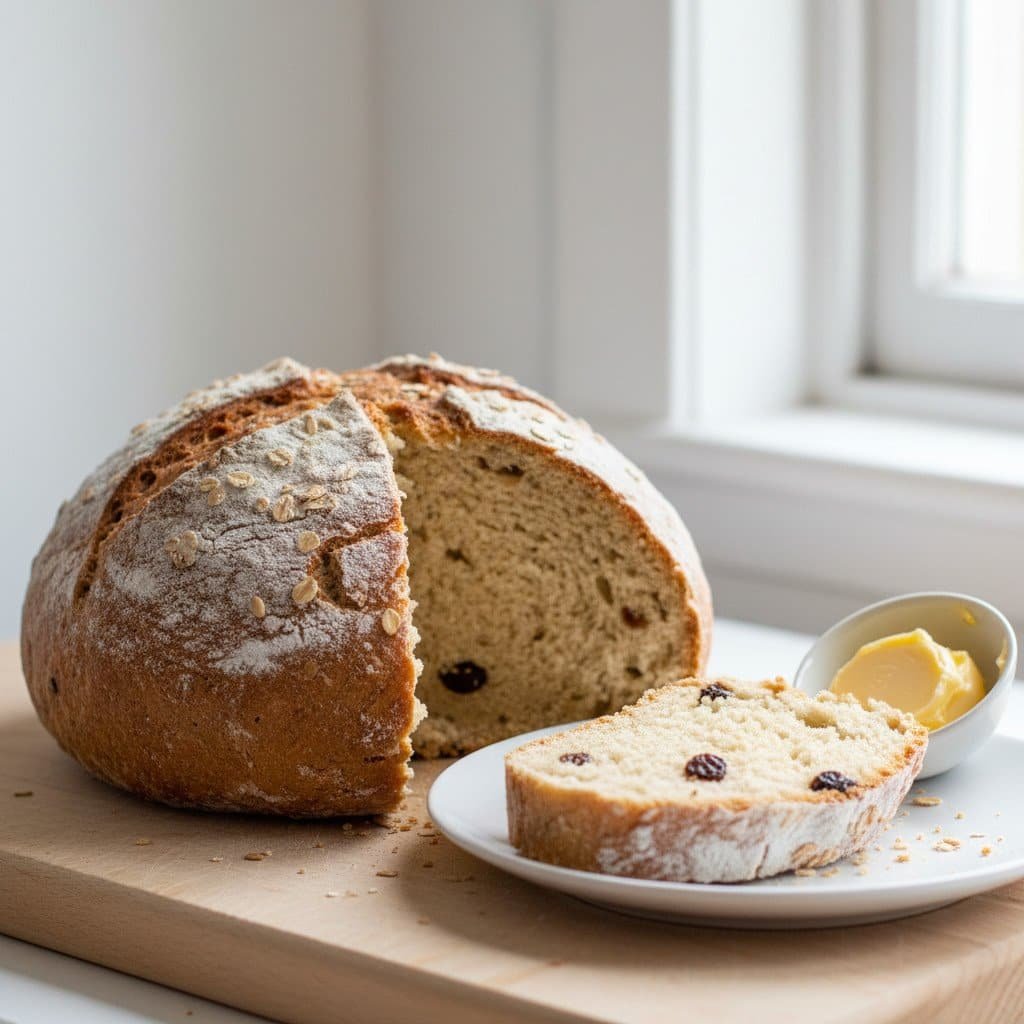
If you're looking for a simple, wholesome bread recipe that doesn't require yeast or hours of rising time, this Irish soda bread is your answer. This traditional no-yeast bread comes together in minutes and bakes into a beautifully rustic loaf with a golden, crisp crust and a tender, slightly dense crumb. Perfect for busy weeknights or when you're craving fresh homemade bread without the wait, this easy Irish bread relies on the chemical reaction between baking soda and buttermilk to create its signature texture.
Irish soda bread has been a staple in Irish households for generations, originally created as an economical way to make bread using simple pantry ingredients. Today, it remains a beloved recipe, especially popular around St. Patrick's Day, though it deserves a place on your table year-round. Whether you're serving it alongside a hearty vegetable soup, spreading it with grass-fed butter and honey, or enjoying it toasted for breakfast, this soda bread recipe delivers authentic flavor with minimal effort.
Why You'll Love This Recipe
This Irish soda bread stands out for its incredible simplicity and wholesome ingredients. Unlike traditional yeasted breads that require kneading, proofing, and patience, this no-yeast bread goes from mixing bowl to oven in just 10 minutes. The result is a satisfying homemade loaf that's both nutritious and delicious.
The beauty of this soda bread recipe lies in its versatility. You can enjoy it fresh from the oven, toasted the next day, or even frozen for later use. The slightly tangy flavor from the buttermilk pairs wonderfully with both sweet and savory toppings, making it suitable for any meal of the day. Plus, with whole grain flour options and the absence of added sugars or preservatives, this easy Irish bread aligns perfectly with a clean eating approach.
The crispy crust gives way to a tender interior that's neither too crumbly nor too dense. Each slice has character and substance, making it ideal for soaking up soups, stews, or simply enjoying with your favorite spread.
Ingredients You'll Need
For the Bread:
- 4 cups whole wheat flour or white whole wheat flour (or a mix of whole wheat and all-purpose)
- 1 teaspoon baking soda
- 1 teaspoon sea salt
- 1¾ cups buttermilk (or make your own by adding 1 tablespoon lemon juice to regular milk)
- 2 tablespoons honey (optional, for a slightly sweet version)
Ingredient Notes and Substitutions
Flour: Traditional Irish soda bread uses a soft wheat flour, but you can create a healthier version by using whole wheat flour or white whole wheat flour for added fiber and nutrients. For the most authentic texture, try using half all-purpose and half whole wheat. Spelt flour also works beautifully in this recipe.
Buttermilk: This is the key ingredient that reacts with the baking soda to create lift and that characteristic tangy flavor. If you don't have buttermilk on hand, you can easily make a substitute by adding 1 tablespoon of lemon juice or apple cider vinegar to regular milk and letting it sit for 5 minutes. For a dairy-free version, use plant-based milk with the same acidic addition.
Baking Soda: Make sure your baking soda is fresh for the best rise. Old baking soda loses its potency and won't create the proper reaction needed for this no-yeast bread.
Honey: While optional, a small amount of honey adds a subtle sweetness that balances the tangy buttermilk. You can also use maple syrup or omit the sweetener entirely for a more savory loaf.
Step-by-Step Instructions
Preparing the Dough
Step 1: Preheat your oven to 425°F (220°C). Line a baking sheet with parchment paper or lightly dust it with flour.
Step 2: In a large mixing bowl, whisk together the flour, baking soda, and salt until well combined. Make sure the baking soda is evenly distributed throughout the flour to ensure even rising.
Step 3: Create a well in the center of the dry ingredients and pour in the buttermilk (and honey if using). Using a wooden spoon or your hands, mix the ingredients together until a shaggy dough forms. The dough should be slightly sticky but manageable. Avoid overmixing, as this can lead to a tough texture.
Step 4: Turn the dough out onto a lightly floured surface and gently shape it into a round loaf, about 7-8 inches in diameter. The dough doesn't need to be perfectly smooth. In fact, a rustic appearance is part of the charm of this traditional soda bread recipe.
Shaping and Scoring
Step 5: Place the shaped dough onto your prepared baking sheet. Using a sharp knife, cut a deep cross (about ½ inch deep) across the top of the loaf. This traditional marking isn't just decorative; it helps the heat penetrate to the center of the loaf and allows the bread to expand properly during baking.
Baking
Step 6: Bake in the preheated oven for 30-40 minutes, until the bread is golden brown and sounds hollow when tapped on the bottom. If the top is browning too quickly, you can tent it loosely with aluminum foil during the last 10 minutes of baking.
Step 7: Remove from the oven and transfer the bread to a wire rack. For the best texture, let it cool for at least 15-20 minutes before slicing. This allows the interior crumb to set properly.
Tips for Perfect Irish Soda Bread
Don't Overmix: The key to tender soda bread is minimal mixing. Once the ingredients just come together, stop mixing. Overworking the dough develops too much gluten, resulting in a tough, dense loaf.
Work Quickly: Since the leavening action begins as soon as the baking soda meets the acidic buttermilk, you want to get your bread into the oven promptly. This ensures maximum rise and the best texture.
Check for Doneness: Besides the hollow sound test, you can also insert a toothpick into the center of the loaf. It should come out clean or with just a few dry crumbs attached.
Flour Variations: Experiment with different flour combinations to find your favorite. A blend of 3 cups all-purpose flour and 1 cup whole wheat creates a lighter texture while still adding nutritional value.
Add-Ins: While traditional Irish soda bread is plain, you can customize your loaf with add-ins like raisins, caraway seeds, dried cranberries, or chopped fresh herbs for a savory version.
Serving Suggestions
Irish soda bread is wonderfully versatile and can be enjoyed in countless ways. For a classic presentation, serve thick slices warm from the oven with grass-fed butter and a drizzle of raw honey. The contrast between the crispy crust and tender interior is absolutely delightful.
This easy Irish bread makes an excellent accompaniment to soups and stews. Pair it with a hearty vegetable soup, lentil stew, or creamy potato leek soup for a satisfying meal. The bread's sturdy texture is perfect for dunking and soaking up flavorful broths.
For breakfast, toast slices of soda bread and top with almond butter, mashed avocado, or fresh ricotta cheese with berries. The slightly tangy flavor works beautifully with both sweet and savory toppings.
Create an impressive appetizer board by serving sliced soda bread alongside hummus, olive tapenade, roasted vegetables, and a selection of cheeses. The bread's rustic appearance adds visual appeal to any spread.
For a traditional Irish-inspired meal, serve this St. Patrick's Day bread with a simple salad, roasted root vegetables, and your favorite protein. The bread's wholesome flavor complements clean, simple dishes beautifully.
Storage and Make-Ahead Tips
Irish soda bread is best enjoyed within 2-3 days of baking. Store it at room temperature wrapped in a clean kitchen towel or placed in a paper bag. Avoid plastic bags, as they can make the crust soft and chewy rather than crisp.
For longer storage, slice the bread and freeze individual portions in an airtight container or freezer bag for up to 3 months. Toast frozen slices directly from the freezer for a quick breakfast or snack.
To refresh day-old bread, wrap it in aluminum foil and warm it in a 350°F oven for 10 minutes. This helps restore some of the crust's crispness and warms the interior.
You can also prepare the dry ingredients ahead of time and store them in an airtight container. When you're ready to bake, simply add the buttermilk, shape, and bake for fresh bread in under an hour.
Variations to Try
Whole Grain Soda Bread: Use 100% whole wheat flour or a combination of whole wheat, oat flour, and wheat germ for a nutrient-dense loaf packed with fiber.
Herb and Garlic Soda Bread: Add 2 tablespoons of fresh chopped rosemary or thyme and 2 cloves of minced garlic to the dry ingredients for a savory twist.
Seeded Soda Bread: Mix in ¼ cup of mixed seeds (sunflower, pumpkin, sesame, flax) for added texture, healthy fats, and nutrients.
Cranberry Orange Soda Bread: Add ½ cup dried cranberries and 1 tablespoon of orange zest for a slightly sweet version perfect for breakfast or tea time.
Oat Soda Bread: Replace 1 cup of the flour with rolled oats (ground into flour in a blender) for a heartier texture and added fiber.
Nutritional Benefits
This no-yeast bread offers several nutritional advantages, especially when made with whole grain flours. Whole wheat flour provides fiber, B vitamins, iron, and magnesium, supporting digestive health and sustained energy levels.
Buttermilk contributes protein, calcium, and probiotics (if using cultured buttermilk), which support bone health and gut health. The fermentation process also makes the nutrients more bioavailable and easier to digest.
Unlike many commercial breads, this homemade soda bread contains no preservatives, artificial ingredients, or excess sugar. You control exactly what goes into your bread, making it a cleaner, more wholesome choice.
The simplicity of this recipe means fewer ingredients and less processing, aligning with whole-food principles. Each slice provides complex carbohydrates for energy along with protein and fiber to keep you satisfied.
Frequently Asked Questions
Why is my soda bread dense? Overmixing the dough is the most common cause of dense soda bread. Mix just until the ingredients come together, and handle the dough gently. Also ensure your baking soda is fresh.
Can I make this without buttermilk? Yes, you can substitute regular milk or plant-based milk with 1 tablespoon of lemon juice or vinegar added. Let it sit for 5 minutes before using.
How do I know when it's done? The bread should be golden brown and sound hollow when tapped on the bottom. An internal temperature of 200°F also indicates doneness.
Can I add raisins? Absolutely! Add ½ to 1 cup of raisins or other dried fruit to the dry ingredients before adding the buttermilk.
Why do we cut a cross on top? The cross helps the heat penetrate to the center of the loaf and allows the bread to expand evenly during baking. It's both functional and traditional.
Conclusion
This Irish soda bread recipe proves that delicious homemade bread doesn't need to be complicated or time-consuming. With just a handful of wholesome ingredients and less than an hour from start to finish, you can enjoy fresh, warm bread that rivals anything from a bakery. The no-yeast approach makes this easy Irish bread accessible to bakers of all skill levels, while the rustic charm and satisfying texture make it a recipe you'll return to again and again.
Whether you're celebrating St. Patrick's Day, looking for the perfect soup accompaniment, or simply want to fill your kitchen with the irresistible aroma of fresh-baked bread, this soda bread recipe delivers on all fronts. The wholesome ingredients, simple preparation, and versatile serving options make it a valuable addition to your healthy recipe collection. Give this traditional bread a try and discover why it's been a beloved staple for generations.
Irish Soda Bread Recipe (Easy No-Yeast Bread)
A quick no-yeast bread with a crisp crust and tender crumb, perfect with butter or soup.
Ingredients
- 4 cups all-purpose flour
- 1 teaspoon baking soda
- 1 teaspoon salt
- 1 3/4 cups buttermilk
Instructions
- Preheat oven to 425 degrees F. Line a baking sheet with parchment paper.
- In a large bowl, whisk together the flour, baking soda, and salt.
- Make a well in the center and pour in the buttermilk. Using a wooden spoon or your hands, mix until a shaggy dough forms.
- Turn the dough out onto a lightly floured surface and gently knead 3-4 times until it comes together. Do not overwork the dough.
- Shape the dough into a round loaf about 7 inches in diameter and place on the prepared baking sheet.
- Using a sharp knife, cut a deep X across the top of the loaf, about 1/2 inch deep.
- Bake for 40-45 minutes until the bread is golden brown and sounds hollow when tapped on the bottom.
- Remove from oven and let cool on a wire rack for at least 15 minutes before slicing.
- Serve warm with butter or alongside soups and stews.
Equipment
- Large mixing bowl
- Whisk
- Wooden spoon
- Baking sheet
- Parchment paper
- Sharp knife
- Wire cooling rack
Notes
- Do not overmix or overknead the dough or the bread will be tough.
- If you don't have buttermilk, make your own by adding 1 3/4 tablespoons of lemon juice or vinegar to regular milk and letting it sit for 5 minutes.
- The X cut on top allows the bread to expand evenly while baking.
- Best eaten the same day, but can be stored wrapped in foil for up to 2 days.
- Can be frozen for up to 3 months.