Introduction
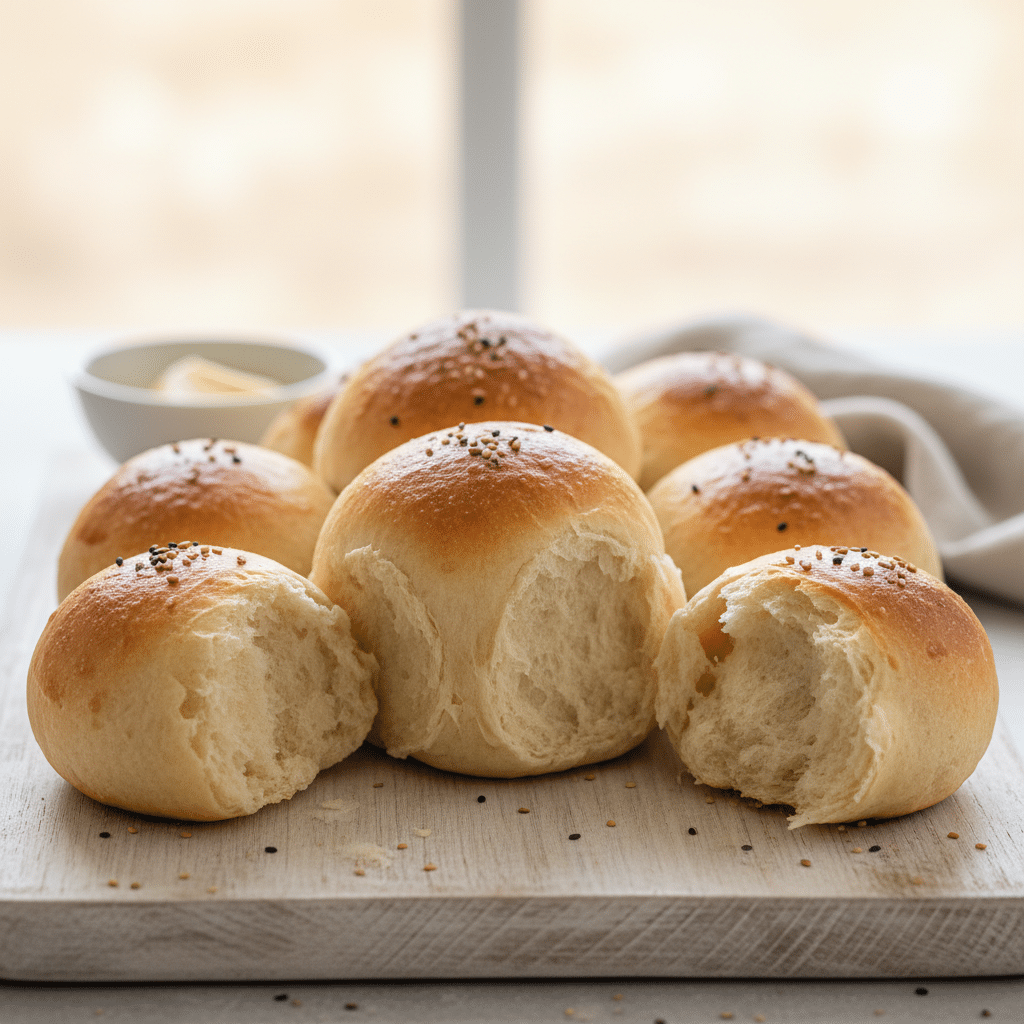
If you've ever tasted authentic Japanese milk bread buns, you know there's something magical about their cloud-like texture and subtly sweet flavor. These Japanese milk buns are incredibly soft, pillowy, and stay fresh for days thanks to a special technique called the tangzhong method. Whether you're looking for the perfect breakfast roll, a base for gourmet sandwiches, or simply want to fill your kitchen with the irresistible aroma of homemade bread, this milk buns recipe delivers every time.
What makes these soft buns so special is their unique preparation method that creates an exceptionally tender crumb. The tangzhong starter (a cooked flour and water paste) helps the dough retain moisture, resulting in fluffy buns that practically melt in your mouth. This recipe uses wholesome ingredients and produces bakery-quality results right in your own kitchen.
Why You'll Love This Japanese Milk Buns Recipe
These homemade bread rolls are a game-changer for several reasons. First, they're surprisingly easy to make once you understand the simple technique. Second, they're incredibly versatile and can be enjoyed sweet or savory. Third, unlike many store-bought rolls that turn stale quickly, these japanese milk bread buns stay soft and fresh for up to five days when stored properly.
The texture is what truly sets these buns apart. They're lighter than traditional dinner rolls yet substantial enough to hold hearty sandwich fillings. The slight sweetness from honey and milk creates a perfectly balanced flavor that complements both sweet spreads and savory proteins. Plus, making bread from scratch allows you to control exactly what goes into your food, avoiding preservatives and unnecessary additives.
Ingredients You'll Need
For the Tangzhong Starter:
- 3 tablespoons bread flour (or all-purpose flour)
- 1/2 cup water
For the Dough:
- 2 1/2 cups bread flour (plus extra for dusting)
- 1/4 cup honey (or maple syrup for a different flavor profile)
- 1 teaspoon sea salt
- 2 teaspoons active dry yeast
- 1/2 cup whole milk, warmed to about 110°F
- 1 large egg, at room temperature
- 1/4 cup unsalted butter, softened (or coconut oil for dairy-free option)
- Tangzhong starter (prepared above)
For the Egg Wash:
- 1 egg yolk
- 1 tablespoon milk
Ingredient Notes and Substitutions
Bread Flour vs. All-Purpose Flour: Bread flour contains more protein, which develops more gluten and creates a chewier, more structured texture. However, all-purpose flour works well too and produces slightly softer buns.
Sweetener Options: Honey adds moisture and a subtle floral sweetness. You can substitute with maple syrup, agave nectar, or even coconut sugar dissolved in the warm milk.
Milk Choices: Whole milk creates the richest flavor and texture, but you can use 2% milk or even plant-based alternatives like oat milk or almond milk for a dairy-free version.
Butter Alternatives: For a dairy-free or lighter option, coconut oil works beautifully. The buns will have a very slight coconut aroma that's quite pleasant.
Step-by-Step Instructions
Step 1: Prepare the Tangzhong Starter
In a small saucepan, whisk together 3 tablespoons of flour and 1/2 cup water until smooth. Place over medium heat and cook, stirring constantly, until the mixture thickens into a paste (about 2-3 minutes). It should reach 149°F if you're using a thermometer. The consistency will resemble thick pudding. Transfer to a bowl and let it cool to room temperature.
Step 2: Make the Dough
In a large mixing bowl or the bowl of a stand mixer, combine the bread flour, honey, salt, and yeast. Add the warmed milk, egg, softened butter, and cooled tangzhong starter. Mix with a wooden spoon or dough hook attachment on low speed until a shaggy dough forms.
Step 3: Knead the Dough
If using a stand mixer, knead on medium speed for 8-10 minutes until the dough is smooth, elastic, and slightly tacky but not sticky. If kneading by hand, turn the dough onto a lightly floured surface and knead for 10-12 minutes. The dough should pull away from the sides of the bowl and pass the windowpane test (when stretched, it forms a thin, translucent membrane without tearing).
Step 4: First Rise
Shape the dough into a ball and place it in a lightly greased bowl, turning once to coat. Cover with a damp kitchen towel or plastic wrap and let rise in a warm, draft-free place for 60-90 minutes, or until doubled in size.
Step 5: Shape the Buns
Punch down the dough to release air bubbles. Turn it out onto a lightly floured surface and divide into 8 equal pieces (about 80-85g each for uniform buns). To shape each bun, flatten a piece of dough into a rectangle, fold the sides in toward the center, then roll tightly from top to bottom. Pinch the seam closed and place seam-side down in a greased 9×9-inch baking pan or on a parchment-lined baking sheet, spacing them about 1 inch apart.
Step 6: Second Rise
Cover the shaped buns loosely with a towel and let rise for another 40-50 minutes until puffy and nearly doubled.
Step 7: Apply Egg Wash and Bake
Preheat your oven to 350°F. Whisk together the egg yolk and milk, then gently brush the mixture over the tops of the buns. This creates that beautiful golden-brown shine. Bake for 20-25 minutes until the tops are golden and the internal temperature reaches 190°F. If the tops brown too quickly, tent loosely with aluminum foil.
Step 8: Cool and Enjoy
Remove the buns from the oven and let them cool in the pan for 5 minutes, then transfer to a wire rack. These fluffy buns are best enjoyed warm, but they'll stay incredibly soft even at room temperature.
Serving Suggestions
These versatile japanese milk bread buns can be served in countless delicious ways. For breakfast, split them open and spread with almond butter and fresh berries, or slather with grass-fed butter and raw honey. They make exceptional sandwich rolls for turkey and avocado, grilled chicken with fresh vegetables, or even a veggie burger.
Try them as slider buns for your next gathering, filled with pulled chicken, coleslaw, and pickles. For a sweet treat, serve warm buns with whipped cream cheese and fruit preserves. They're also wonderful alongside soups and stews, perfect for soaking up every last drop of broth.
In Japanese cuisine, these buns are often enjoyed with red bean paste or matcha cream filling. You can also toast them lightly and serve with soft scrambled eggs and sautéed greens for a nourishing breakfast.
Tips for Perfect Soft Buns
Temperature Matters: Make sure your milk is warm but not hot (around 110°F). Too hot will kill the yeast; too cold will slow down activation.
Don't Skip the Tangzhong: This cooked flour paste is the secret to achieving that signature ultra-soft texture. It helps the dough retain moisture for days.
Proper Kneading: Well-developed gluten is essential for structure. Knead until the dough is smooth and elastic. The windowpane test is your best indicator.
Create a Warm Environment: Yeast thrives in warmth. If your kitchen is cool, place the dough in an oven with just the light on, or near (not on) a warm stovetop.
Even Sizing: Use a kitchen scale to divide the dough into equal portions. This ensures all your buns bake evenly and look professional.
Don't Overbake: These buns can dry out if baked too long. They're done when golden on top and springy to the touch.
Storage and Make-Ahead Instructions
Store cooled buns in an airtight container or resealable bag at room temperature for up to 5 days. The tangzhong method helps them stay remarkably soft. For longer storage, freeze the buns in a freezer-safe bag for up to 3 months. Thaw at room temperature and refresh in a 300°F oven for 5 minutes.
You can also prepare the dough through the first rise, then refrigerate overnight. The next day, let it come to room temperature before shaping and proceeding with the second rise. This cold fermentation actually develops even more flavor.
Variations to Try
Whole Wheat Milk Buns: Replace up to half the bread flour with whole wheat flour for added fiber and nutrients. You may need to add a tablespoon or two more milk as whole wheat absorbs more liquid.
Herb and Garlic Buns: Add 2 teaspoons dried herbs (rosemary, thyme, or Italian seasoning) and 2 minced garlic cloves to the dough for savory dinner rolls.
Cinnamon Swirl Buns: Before shaping, roll the dough into a rectangle, brush with melted butter, sprinkle with cinnamon and coconut sugar, roll up, and slice.
Sesame or Seed Topping: Before baking, sprinkle the egg-washed buns with sesame seeds, poppy seeds, or everything bagel seasoning.
Mini Slider Buns: Divide the dough into 12-16 smaller pieces for perfectly sized slider buns.
Nutritional Benefits
While these milk buns are certainly a treat, they offer some nutritional value when made with quality ingredients. The eggs provide protein and essential vitamins like B12 and choline. Whole milk adds calcium and vitamin D for bone health. Using honey instead of refined sugar provides trace minerals and antioxidants.
Bread flour contains more protein than all-purpose flour, which helps with satiety. The homemade nature of this recipe means no preservatives, artificial flavors, or trans fats found in many commercial breads. For added nutrition, consider incorporating some whole wheat flour or serving these buns with nutrient-dense fillings like leafy greens, lean proteins, and healthy fats.
Troubleshooting Common Issues
Dense, Heavy Buns: This usually indicates under-kneading or insufficient rising time. Make sure to knead until the dough passes the windowpane test and allow full rising times.
Dry Buns: Overbaking is the most common culprit. Check for doneness at the minimum baking time. Also ensure you're measuring flour correctly (spoon and level, don't pack).
Buns Didn't Rise: Check your yeast expiration date. Also verify your liquid temperature wasn't too hot, which kills yeast.
Uneven Browning: Rotate your pan halfway through baking. If the tops brown too quickly, tent with foil.
Final Thoughts
Making homemade bread rolls might seem intimidating, but this japanese milk buns recipe breaks down the process into simple, manageable steps. The result is worth every minute: soft, fluffy buns with an incredible texture that stays fresh for days. Once you master this basic recipe, you'll find yourself making these buns regularly and experimenting with different variations.
The beauty of these milk buns lies in their versatility and reliable results. They're perfect for meal prep, freeze beautifully, and elevate any meal from ordinary to special. Whether you're a seasoned baker or just starting your bread-making journey, these pillowy buns will quickly become a household favorite.
Japanese Milk Buns Recipe (Soft & Fluffy)
Ultra-soft, pillowy milk buns—perfect for breakfast, snacks, or sandwiches.
Ingredients
- 3 cups bread flour
- 1/4 cup granulated sugar
- 1 tablespoon active dry yeast
- 1 teaspoon salt
- 1/2 cup whole milk, warmed
- 1/4 cup heavy cream
- 1 large egg
- 1/4 cup unsalted butter, softened
- 2 tablespoons milk powder
- 1 egg yolk mixed with 1 tablespoon milk for egg wash
Instructions
- In a large bowl, combine bread flour, sugar, yeast, and salt. Mix well.
- In a separate bowl, whisk together warmed milk, heavy cream, and egg until combined.
- Add the wet ingredients to the dry ingredients and mix until a shaggy dough forms.
- Add softened butter and milk powder, then knead for 10-12 minutes until the dough is smooth, elastic, and slightly tacky.
- Place dough in a greased bowl, cover with plastic wrap, and let rise in a warm place for 1-1.5 hours until doubled in size.
- Punch down the dough and divide into 12 equal pieces. Shape each piece into a smooth ball.
- Arrange the dough balls in a greased 9x13 inch baking pan, leaving small gaps between them.
- Cover with a damp towel and let rise for 45-60 minutes until puffy and touching each other.
- Preheat oven to 350 degrees F.
- Brush the tops of the buns gently with egg wash.
- Bake for 20-25 minutes until golden brown on top.
- Remove from oven and brush with melted butter while still hot.
- Let cool for 10 minutes before serving.
Equipment
- Large mixing bowl
- Whisk
- Measuring cups and spoons
- 9x13 inch baking pan
- Plastic wrap
- Clean kitchen towel
- Pastry brush
Notes
- For extra soft buns, use the tangzhong method by cooking 2 tablespoons flour with 1/2 cup water until thickened, then cool before adding to dough.
- Store buns in an airtight container at room temperature for up to 3 days.
- These buns freeze well for up to 1 month. Thaw at room temperature and reheat briefly.
- Make sure milk is warm but not hot (around 110 degrees F) to activate yeast properly.
- Dough should be slightly sticky but manageable. Add flour 1 tablespoon at a time if too wet.