Introduction
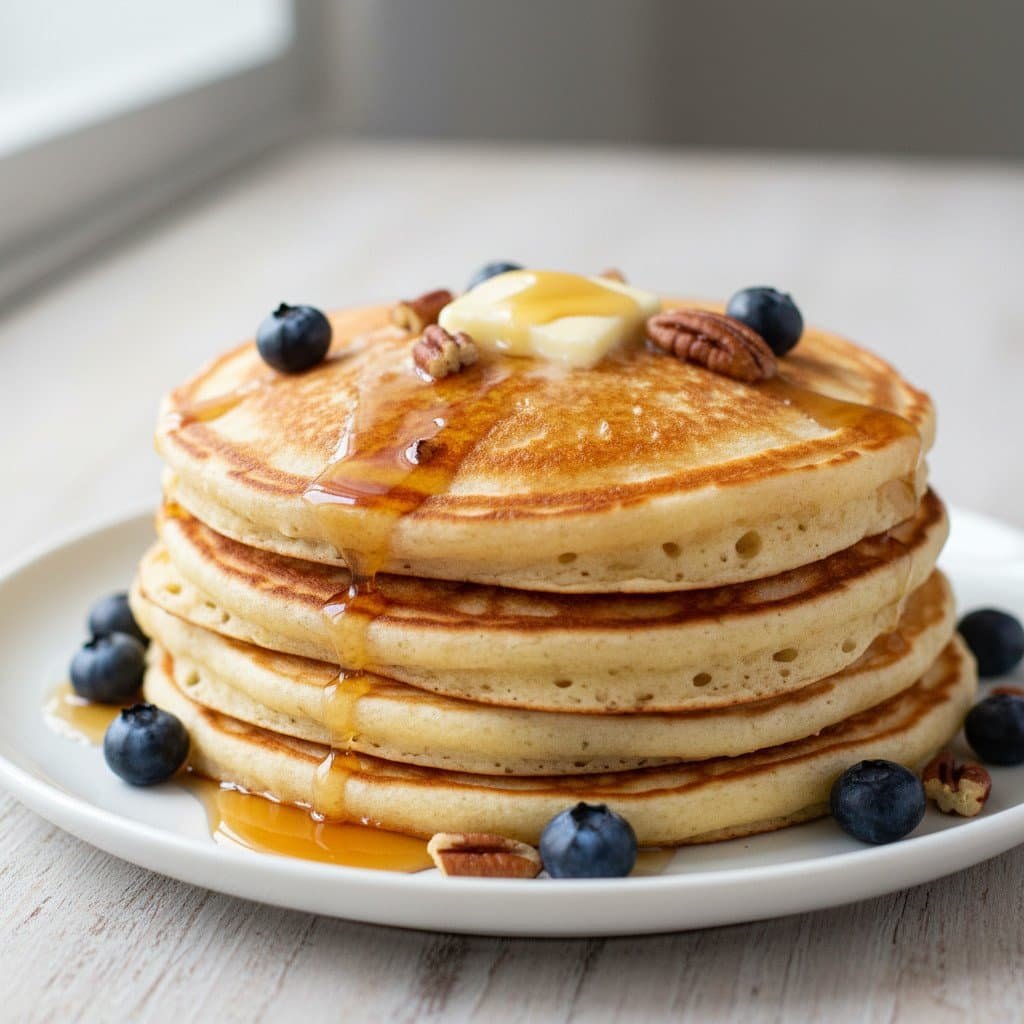
There's something wonderfully comforting about a stack of golden, fluffy pancakes on a weekend morning. This old-fashioned pancakes recipe brings back the simple pleasures of homemade breakfast, using basic pantry staples you likely already have in your kitchen. Unlike store-bought mixes loaded with preservatives and refined ingredients, these homemade pancakes let you control exactly what goes into your family's breakfast.
What makes this pancake recipe truly special is its simplicity. With just a handful of wholesome ingredients and about 20 minutes from start to finish, you can serve up a nutritious breakfast that beats any restaurant version. These fluffy pancakes are tender on the inside with slightly crisp edges, creating the perfect canvas for your favorite healthy toppings.
Whether you're feeding a crowd on a lazy Sunday or preparing a special weekday treat, this classic recipe delivers consistent results every time. The beauty of old-fashioned pancakes lies in their versatility. You can customize them with fresh fruit, nuts, or seeds, making them as nutritious as they are delicious.
Why This Recipe Works
This homemade pancakes recipe relies on tried-and-true techniques that create the fluffiest texture possible. The key is in the careful balance of wet and dry ingredients, plus one crucial step: not overmixing the batter. When you gently fold the ingredients together, leaving a few small lumps, you preserve the light, airy structure that makes these pancakes so irresistible.
The leavening agents work together to create lift and height. Baking powder provides immediate rise when it hits the hot griddle, while a touch of baking soda helps with browning and adds tenderness. This combination ensures your pancakes puff up beautifully without tasting bitter or metallic.
Another secret to success is letting the batter rest for just a few minutes before cooking. This brief pause allows the flour to fully hydrate and the leavening agents to activate, resulting in more uniform bubbles and a better rise. The resting period also relaxes the gluten, preventing tough, rubbery pancakes.
Ingredient Notes
All-Purpose Flour: The foundation of these fluffy pancakes. For a healthier twist, you can substitute up to half the all-purpose flour with whole wheat pastry flour, which adds fiber and nutrients while maintaining a light texture. Avoid using regular whole wheat flour entirely, as it can make pancakes dense.
Milk: Any milk works beautifully here. Whole milk creates the richest pancakes, but you can use low-fat dairy milk or plant-based alternatives like almond, oat, or soy milk. Each brings its own subtle flavor while keeping the pancakes tender.
Eggs: These provide structure, richness, and help bind everything together. The eggs also contribute protein, making these pancakes more satisfying. For the fluffiest results, use room-temperature eggs.
Butter: Melted butter adds flavor and moisture. You can substitute with coconut oil for a dairy-free option, or use olive oil for added heart-healthy fats. The fat content is essential for tender pancakes that don't stick to the pan.
Sugar: Just a touch of natural sweetness balances the flavors. You can reduce the amount if you plan to serve with sweet toppings, or substitute with honey or maple syrup. Coconut sugar works well as a less-refined alternative.
Baking Powder and Baking Soda: These leavening agents are non-negotiable for achieving the signature fluffy texture. Make sure yours are fresh (not expired) for maximum lift.
Salt: A small amount enhances all the other flavors and balances the sweetness.
Vanilla Extract: Optional but highly recommended, vanilla adds warmth and depth to the flavor profile.
Step-by-Step Instructions
Prepare Your Ingredients: Start by gathering all your ingredients and measuring them accurately. Crack your eggs into a small bowl and let them come to room temperature if they've been refrigerated. Melt your butter and allow it to cool slightly so it doesn't cook the eggs when mixed.
Combine Dry Ingredients: In a large mixing bowl, whisk together 1½ cups all-purpose flour, 2 tablespoons sugar, 1 tablespoon baking powder, ½ teaspoon baking soda, and ½ teaspoon salt. Whisking thoroughly ensures even distribution of the leavening agents, which means uniformly fluffy pancakes.
Mix Wet Ingredients: In a separate medium bowl, whisk together 1¼ cups milk, 2 large eggs, 3 tablespoons melted butter, and 1 teaspoon vanilla extract. Whisk until well combined and slightly frothy.
Combine Wet and Dry: Pour the wet ingredients into the bowl with the dry ingredients. Using a wooden spoon or rubber spatula, gently fold the mixture together with about 10-15 strokes. Stop mixing when you still see a few small lumps. The batter should look slightly lumpy, not smooth. Overmixing develops gluten, which leads to tough, flat pancakes.
Rest the Batter: Let the batter sit for 5 minutes while you preheat your griddle or skillet. This resting time allows the flour to absorb the liquid and the leavening agents to begin working.
Preheat Your Cooking Surface: Heat a non-stick griddle or large skillet over medium heat. Lightly grease with butter or oil. To test if it's ready, sprinkle a few drops of water on the surface. If they sizzle and evaporate quickly, you're ready to cook.
Cook the Pancakes: Pour ¼ cup of batter onto the hot griddle for each pancake. Cook until bubbles form on the surface and the edges look set, about 2-3 minutes. When the bubbles begin to pop and stay open, it's time to flip. Cook for another 1-2 minutes on the second side until golden brown.
Keep Warm: Transfer cooked pancakes to a plate in a 200°F oven while you finish the batch. This keeps them warm without drying them out.
Nutrition Insights
These old-fashioned pancakes offer more nutritional value than you might expect from a comfort food breakfast. Each serving provides quality carbohydrates for energy, protein from eggs and milk for satiety, and essential nutrients like calcium, iron, and B vitamins.
To boost the nutritional profile further, consider these modifications: substitute half the all-purpose flour with whole wheat pastry flour for added fiber and minerals. Add ground flaxseed or chia seeds to the batter for omega-3 fatty acids. Use unsweetened almond milk to reduce calories while maintaining creaminess.
The protein content in these homemade pancakes helps stabilize blood sugar levels, especially when paired with additional protein sources like Greek yogurt, nut butter, or eggs on the side. This balanced approach prevents the energy crash that often follows a carb-heavy breakfast.
Keep portion sizes reasonable by serving 2-3 medium pancakes per person, alongside fresh fruit and a protein source. This creates a well-rounded meal that provides sustained energy throughout the morning.
Recipe Variations
Whole Grain Pancakes: Replace half the all-purpose flour with whole wheat pastry flour or oat flour for added fiber and a slightly nutty flavor. This increases the nutritional density without compromising texture.
Blueberry Pancakes: Gently fold ½ cup fresh or frozen blueberries into the batter just before cooking. Blueberries add antioxidants and natural sweetness. You can also use other berries like raspberries or sliced strawberries.
Banana Nut Pancakes: Mash one ripe banana into the wet ingredients and fold ¼ cup chopped walnuts or pecans into the batter. This variation adds potassium, healthy fats, and extra natural sweetness.
Cinnamon Spice: Add 1 teaspoon ground cinnamon and ¼ teaspoon nutmeg to the dry ingredients for a warming, aromatic twist. Perfect for fall and winter mornings.
Protein-Packed Pancakes: Stir ¼ cup of your favorite unflavored or vanilla protein powder into the dry ingredients, and add an extra 2-3 tablespoons of milk to maintain the right consistency.
Dairy-Free Version: Use plant-based milk and replace the butter with coconut oil or a neutral vegetable oil. The texture remains wonderfully fluffy.
Gluten-Free Option: Substitute the all-purpose flour with a 1:1 gluten-free flour blend. Let the batter rest for 10 minutes instead of 5 for best results.
Serving Suggestions
The beauty of this fluffy pancakes recipe is how well it pairs with both sweet and nutritious toppings. For a balanced breakfast, top your stack with fresh berries, sliced bananas, or sautéed apples with cinnamon. These fruit options add vitamins, minerals, and fiber while keeping added sugars minimal.
Drizzle with pure maple syrup, but use it sparingly. A tablespoon or two adds wonderful flavor without overwhelming the pancakes with sugar. For extra protein and healthy fats, add a dollop of Greek yogurt or a spoonful of almond butter. These additions transform your pancakes into a more complete, satisfying meal.
Create a pancake breakfast board for a fun family-style serving option. Arrange the warm pancakes on a large platter surrounded by small bowls of toppings: fresh berries, sliced fruit, chopped nuts, seeds, coconut flakes, nut butters, and a small pitcher of maple syrup. Let everyone customize their stack.
For a special occasion brunch, serve these old-fashioned pancakes alongside scrambled eggs, fresh fruit salad, and herbal tea or fresh-squeezed juice. The combination provides a balance of protein, complex carbohydrates, and nutrients to fuel your day.
Storage and Reheating Tips
These homemade pancakes store beautifully, making them perfect for meal prep. Allow pancakes to cool completely on a wire rack before storing to prevent them from becoming soggy. Once cooled, stack them with small pieces of parchment paper between each pancake to prevent sticking.
Refrigerator Storage: Place the stacked pancakes in an airtight container or resealable plastic bag. They'll keep fresh in the refrigerator for up to 5 days. This makes weekday mornings incredibly easy. Simply reheat and serve.
Freezer Storage: For longer storage, freeze the pancakes for up to 3 months. Wrap the parchment-separated stack tightly in plastic wrap, then place in a freezer-safe bag. Label with the date so you can track freshness.
Reheating Methods: The microwave is quickest. Place 1-2 pancakes on a microwave-safe plate and heat for 20-30 seconds until warmed through. For crispier edges, use a toaster or toaster oven on a medium setting. You can also reheat them in a 350°F oven for 5-7 minutes, which works well for larger batches.
The batter itself doesn't store well, so it's best to cook all the pancakes at once and store the extras. However, if you have leftover batter, you can refrigerate it in an airtight container for up to 24 hours. Give it a gentle stir before using, and note that the pancakes may not rise quite as high.
Tips for Perfect Pancakes Every Time
Don't Overmix: This is the most common mistake when making pancakes. Lumpy batter is good batter. Those small lumps will disappear during cooking, and your pancakes will be tender and fluffy.
Check Your Heat: Medium heat is ideal. Too hot, and your pancakes will burn on the outside while remaining raw inside. Too cool, and they'll be pale and tough. Adjust as needed between batches.
Wait for the Bubbles: Resist the urge to flip too early. Wait until bubbles form across the entire surface and begin to pop, leaving small holes. The edges should look dry and set.
Flip Only Once: Multiple flips compress the pancakes and release the air bubbles that make them fluffy. One confident flip is all you need.
Consistent Size: Use a measuring cup or ice cream scoop to portion the batter. This ensures all your pancakes cook at the same rate and look uniform on the plate.
Fresh Leavening Agents: Baking powder and baking soda lose potency over time. If your pancakes aren't rising well, check the expiration dates and replace if necessary.
Room Temperature Ingredients: Cold ingredients don't mix as smoothly and can result in uneven texture. Let your eggs and milk sit out for 15-20 minutes before starting.
Frequently Asked Questions
Can I make the batter ahead of time? While fresh batter yields the fluffiest results, you can prepare it the night before and refrigerate. The pancakes may be slightly less fluffy, but they'll still taste delicious. Give the batter a gentle stir before cooking.
Why are my pancakes flat? Flat pancakes usually result from expired leavening agents or overmixing the batter. Make sure your baking powder and baking soda are fresh, and mix the batter just until combined.
Can I double this recipe? Absolutely! This pancake recipe doubles and triples beautifully. Just be sure to mix in batches rather than one enormous bowl to ensure even mixing without overworking the batter.
What's the best pan to use? A non-stick griddle or skillet works best. Cast iron is also excellent once properly seasoned. Avoid stainless steel, as pancakes tend to stick even with adequate greasing.
How do I know when to flip? Look for bubbles forming and popping across the surface, with the edges appearing dry and set. The underside should be golden brown. This typically takes 2-3 minutes.
Conclusion
This old-fashioned pancakes recipe proves that the best breakfasts don't require fancy ingredients or complicated techniques. With simple pantry staples and a gentle mixing method, you can create fluffy, delicious homemade pancakes that rival any restaurant version. The recipe's versatility allows you to customize it to your family's preferences and dietary needs, while the make-ahead friendly nature means you can enjoy fresh-tasting pancakes even on busy mornings.
Whether you're continuing a weekend tradition or starting a new one, these classic pancakes deliver comfort, nutrition, and satisfaction in every bite. The combination of whole-food ingredients, balanced nutrition, and timeless flavor makes this recipe one you'll return to again and again. Make a double batch, freeze the extras, and you'll have a wholesome homemade breakfast ready whenever the craving strikes.
Old-Fashioned Pancakes Recipe
These fluffy pancakes come together with pantry staples for an easy homemade breakfast.
Ingredients
- 1 1/2 cups all-purpose flour
- 3 1/2 teaspoons baking powder
- 1 teaspoon salt
- 1 tablespoon white sugar
- 1 1/4 cups milk
- 1 egg
- 3 tablespoons butter, melted
Instructions
- In a large bowl, sift together the flour, baking powder, salt and sugar.
- Make a well in the center and pour in the milk, egg and melted butter; mix until smooth.
- Heat a lightly oiled griddle or frying pan over medium-high heat.
- Pour or scoop the batter onto the griddle, using approximately 1/4 cup for each pancake.
- Brown on both sides and serve hot.
Equipment
- Large mixing bowl
- Whisk or spoon
- Griddle or frying pan
- Measuring cups and spoons
- Spatula
Notes
- For extra fluffy pancakes, let the batter rest for 5 minutes before cooking.
- Do not overmix the batter - a few lumps are okay.
- Adjust heat as needed to prevent burning.
- Serve with butter, maple syrup, fresh fruit, or your favorite toppings.