Introduction
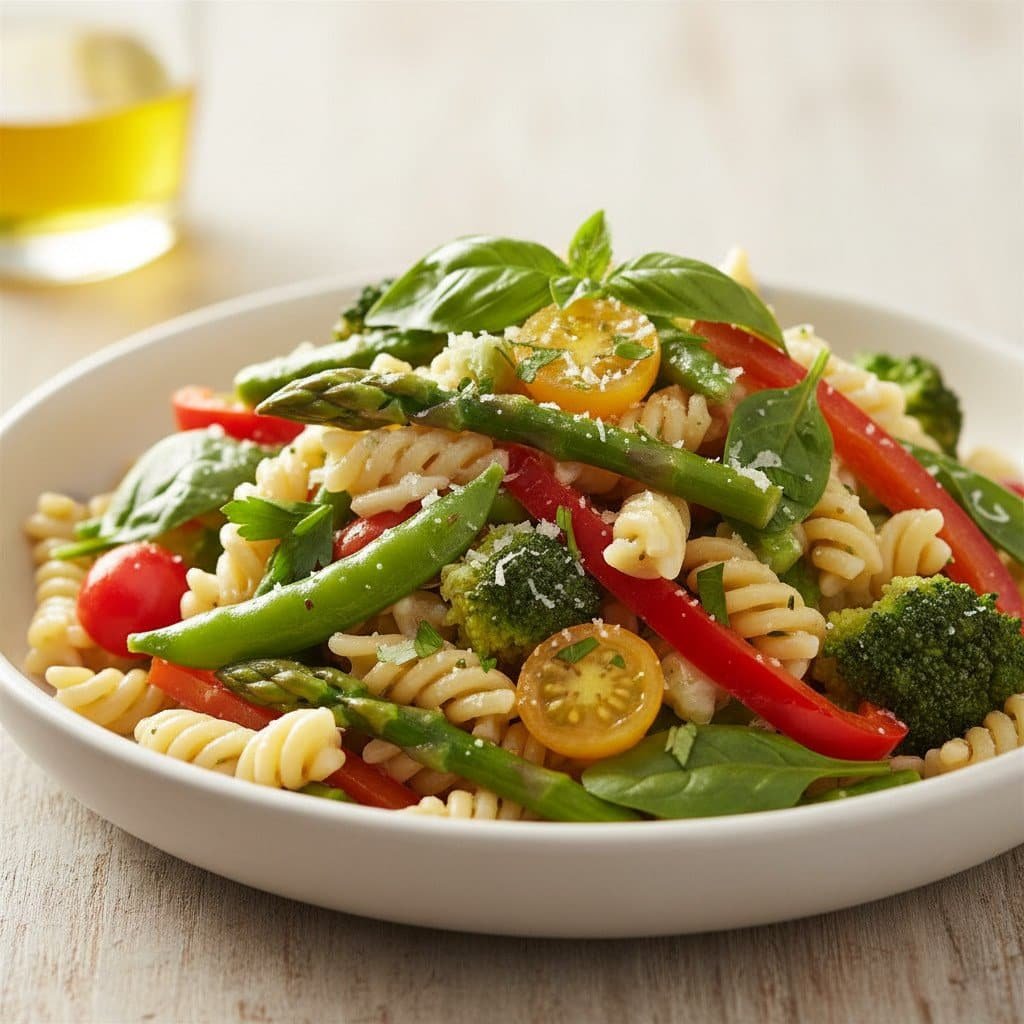
When spring arrives and farmers' markets overflow with crisp, colorful vegetables, there's no better way to celebrate the season than with a vibrant pasta primavera. This classic Italian-American dish translates to "spring pasta," and it delivers exactly what its name promises: a light, fresh, and incredibly satisfying meal that showcases the best produce of the season.
Unlike heavy, cream-laden pasta dishes, this healthy pasta primavera recipe focuses on whole-food ingredients, plenty of vegetables, and a delicate sauce that lets the natural flavors shine through. Whether you're planning a casual family dinner, hosting a spring brunch, or simply craving something nutritious and delicious, this vegetable pasta recipe checks all the boxes.
The beauty of pasta primavera lies in its flexibility. You can adapt it to whatever fresh vegetables you have on hand, making it both economical and endlessly customizable. Best of all, it comes together in about 30 minutes, making it perfect for busy weeknights when you want something homemade and wholesome without spending hours in the kitchen.
Why This Spring Pasta Recipe Works
This easy pasta primavera stands out because it strikes the perfect balance between indulgent and nutritious. The recipe emphasizes nutrient-dense vegetables like bell peppers, zucchini, cherry tomatoes, and asparagus, all of which are at their peak during spring months. These vegetables provide essential vitamins, minerals, and antioxidants while adding beautiful color and texture to every bite.
The sauce is intentionally light, relying on quality olive oil, fresh garlic, and a touch of vegetable broth to create a silky coating without overwhelming the delicate vegetable flavors. A sprinkle of fresh herbs and a squeeze of lemon juice at the end brightens everything up, creating layers of flavor that feel restaurant-quality yet remain completely accessible for home cooks.
By using whole wheat or legume-based pasta options, you can boost the fiber and protein content even further, transforming this spring dinner recipe into a complete, balanced meal that will keep you satisfied for hours.
Ingredients You'll Need
For the Pasta and Vegetables:
- 12 oz whole wheat penne or fettuccine
- 2 tablespoons extra virgin olive oil
- 1 bunch asparagus, trimmed and cut into 2-inch pieces
- 1 medium zucchini, sliced into half-moons
- 1 yellow bell pepper, sliced
- 1 red bell pepper, sliced
- 1 cup cherry tomatoes, halved
- 1 cup broccoli florets
- 1/2 cup frozen peas (thawed)
- 4 cloves garlic, minced
- 1/4 teaspoon red pepper flakes (optional)
For the Sauce:
- 1/2 cup low-sodium vegetable broth
- 2 tablespoons fresh lemon juice
- 1/4 cup fresh basil, chopped
- 2 tablespoons fresh parsley, chopped
- Sea salt and black pepper to taste
- 1/4 cup grated Parmesan cheese (optional, or nutritional yeast for dairy-free)
Step-by-Step Instructions
Prepare Your Ingredients
Start by washing and chopping all your vegetables. This mise en place approach makes the cooking process smooth and stress-free. Bring a large pot of salted water to boil for the pasta.
Cook the Pasta
Add your pasta to the boiling water and cook according to package directions until al dente, usually 8-10 minutes for whole wheat pasta. Before draining, reserve 1 cup of the starchy pasta water. This liquid gold will help create a silky sauce later. Drain the pasta and set aside.
Sauté the Vegetables
While the pasta cooks, heat the olive oil in a large skillet or sauté pan over medium-high heat. Add the broccoli and asparagus first, as these take slightly longer to cook. Sauté for about 3-4 minutes until they begin to soften and develop a slight char.
Add the bell peppers and zucchini to the pan, stirring frequently for another 3-4 minutes. The vegetables should be tender-crisp, not mushy. You want them to retain some texture and bite.
Build the Sauce
Reduce the heat to medium and add the minced garlic and red pepper flakes to the vegetables. Stir constantly for about 30 seconds until fragrant. Be careful not to burn the garlic.
Pour in the vegetable broth and let it simmer for 2 minutes, scraping up any flavorful bits from the bottom of the pan. Add the cherry tomatoes and peas, cooking for another 2 minutes until the tomatoes just begin to soften.
Combine Everything
Add the cooked pasta to the skillet with the vegetables. Toss everything together, adding splashes of the reserved pasta water as needed to create a light, glossy sauce that coats the pasta and vegetables evenly.
Remove from heat and stir in the lemon juice, fresh basil, and parsley. Season generously with sea salt and black pepper. If using, sprinkle with Parmesan cheese or nutritional yeast and toss one final time.
Ingredient Notes and Substitutions
Pasta Choices: While traditional pasta primavera uses fettuccine or penne, you can use any pasta shape you prefer. Whole wheat, chickpea, or lentil pasta adds extra nutrition. For a gluten-free version, choose your favorite gluten-free pasta variety.
Vegetable Variations: The vegetables listed are suggestions, not requirements. Snap peas, green beans, carrots, mushrooms, and spinach all work beautifully in this spring pasta. Use whatever looks freshest at your market.
Protein Additions: To make this more substantial, add grilled chicken breast, sautéed shrimp, or white beans. Chickpeas also work wonderfully for a plant-based protein boost.
Dairy-Free Option: Skip the Parmesan and use nutritional yeast instead for a cheesy flavor without dairy. You can also add a tablespoon of tahini to the sauce for extra creaminess.
Herb Flexibility: Fresh herbs make a huge difference, but if you only have dried herbs on hand, use about one-third the amount called for in the recipe.
Nutrition Insights
This vegetable pasta recipe is packed with nutritional benefits that make it a smart choice for health-conscious eaters. The variety of colorful vegetables ensures you're getting a wide spectrum of vitamins and minerals. Bell peppers provide vitamin C, asparagus offers folate and vitamin K, while tomatoes deliver lycopene, a powerful antioxidant.
Whole wheat pasta contributes complex carbohydrates and fiber, which help stabilize blood sugar levels and promote digestive health. The fiber content also increases satiety, meaning you'll feel fuller longer after eating this meal.
Extra virgin olive oil provides healthy monounsaturated fats that support heart health and help your body absorb fat-soluble vitamins from the vegetables. The garlic and fresh herbs aren't just flavor enhancers; they also contain beneficial compounds with anti-inflammatory properties.
One generous serving of this pasta primavera contains approximately 350-400 calories, 12-15 grams of protein, 8-10 grams of fiber, and provides multiple servings of vegetables. It's a balanced meal that doesn't require guilt or compromise.
Serving Suggestions
This easy pasta primavera shines as a complete meal on its own, but you can certainly enhance the dining experience with complementary sides and accompaniments. Serve it in wide, shallow bowls to showcase the colorful vegetables, and garnish with extra fresh herbs and a light drizzle of high-quality olive oil.
For a more substantial meal, pair this spring dinner recipe with a simple arugula salad dressed with lemon vinaigrette. The peppery greens and bright citrus complement the pasta beautifully without competing with its flavors.
Crusty whole grain bread or garlic-rubbed crostini make excellent accompaniments for soaking up any remaining sauce. You might also consider serving it alongside roasted chicken breast or baked fish for guests who prefer a heartier protein portion.
This dish works wonderfully for various occasions. Serve it warm for dinner, or enjoy it at room temperature for a spring brunch or potluck contribution. It's elegant enough for entertaining yet casual enough for everyday family meals.
Storage and Meal Prep Tips
Pasta primavera stores reasonably well, making it a good candidate for meal prep. Transfer leftovers to an airtight container and refrigerate for up to 4 days. The pasta will absorb some of the sauce as it sits, so you may need to add a splash of vegetable broth or olive oil when reheating.
To reheat, use a skillet over medium-low heat rather than the microwave if possible. Add a few tablespoons of water or broth to the pan and gently warm the pasta, stirring frequently. This method helps revive the texture and prevents the pasta from drying out.
For best results with meal prep, you can cook the vegetables and pasta separately, storing them in different containers. Combine them when you're ready to eat, adding fresh herbs and lemon juice at serving time. This approach keeps everything fresher and maintains better texture.
While you can freeze this dish, the texture of the vegetables will change significantly upon thawing. If you do choose to freeze it, use it within one month and expect softer vegetables after reheating.
Variations to Try
Creamy Version: For those who enjoy a richer sauce, stir in 1/4 cup of cashew cream or Greek yogurt at the end of cooking. This creates a luscious coating without relying on heavy cream.
Mediterranean Style: Add Kalamata olives, sun-dried tomatoes, and artichoke hearts for a Mediterranean twist. Finish with crumbled feta cheese and fresh oregano.
Asian-Inspired: Swap the Italian herbs for fresh cilantro and basil, add snap peas and edamame, and finish with a drizzle of sesame oil and a sprinkle of sesame seeds.
Roasted Version: Instead of sautéing, roast all the vegetables at 425°F for 20-25 minutes until caramelized. Toss with the cooked pasta, olive oil, and fresh herbs for deeper, more complex flavors.
Pesto Primavera: Toss the finished dish with 2-3 tablespoons of homemade basil pesto for an herby, aromatic variation that takes this spring pasta to the next level.
Tips for Success
Don't Overcook the Vegetables: The key to great pasta primavera is maintaining texture. Your vegetables should be tender-crisp, not soft and mushy. They'll continue cooking slightly from residual heat after you remove the pan from the stove.
Season as You Go: Add salt at different stages of cooking to build layers of flavor. Season the pasta water, season the vegetables as they cook, and taste the final dish before serving to adjust.
Use High Heat: A hot pan helps vegetables caramelize slightly, developing deeper flavors and preventing them from steaming in their own moisture.
Reserve That Pasta Water: This is your secret weapon for creating a cohesive sauce. The starch in the water helps everything bind together beautifully.
Fresh Herbs Matter: While dried herbs have their place, fresh basil and parsley make a noticeable difference in this dish. Add them at the end to preserve their bright, vibrant flavor.
Conclusion
This pasta primavera recipe celebrates everything wonderful about spring cooking: fresh vegetables, bright flavors, and simple preparation that lets quality ingredients speak for themselves. It's proof that healthy eating doesn't mean sacrificing flavor or satisfaction.
Whether you're new to cooking or a seasoned home chef, this easy pasta primavera offers endless opportunities for creativity and customization. Make it your own by using your favorite seasonal vegetables, adjusting the herbs to your preference, and serving it in ways that work for your lifestyle.
The next time you're looking for a spring dinner recipe that's both nourishing and delicious, remember this vegetable pasta. It's the kind of meal that makes you feel good while you're eating it and even better afterward, knowing you've nourished your body with wholesome, real food ingredients.
Pasta Primavera Recipe for Fresh Spring Dinners
This light vegetable pasta is a seasonal favorite that works well for spring dinners, brunches, and family meals.
Ingredients
- 1 pound pasta (penne or fettuccine)
- 2 tablespoons olive oil
- 3 cloves garlic, minced
- 1 cup broccoli florets
- 1 cup sliced carrots
- 1 cup snap peas
- 1 cup cherry tomatoes, halved
- 1 yellow bell pepper, sliced
- 1 zucchini, sliced
- 1/2 cup vegetable broth
- 1/2 cup heavy cream
- 1/2 cup grated Parmesan cheese
- 2 tablespoons fresh basil, chopped
- Salt and pepper to taste
- Fresh lemon juice (optional)
Instructions
- Bring a large pot of salted water to a boil and cook pasta according to package directions until al dente. Drain and set aside.
- While pasta cooks, heat olive oil in a large skillet over medium-high heat.
- Add garlic and saute for 30 seconds until fragrant.
- Add broccoli and carrots to the skillet and cook for 3-4 minutes.
- Add snap peas, bell pepper, and zucchini. Cook for another 3-4 minutes until vegetables are tender-crisp.
- Add cherry tomatoes and cook for 1-2 minutes until they begin to soften.
- Pour in vegetable broth and heavy cream. Bring to a simmer.
- Add the cooked pasta to the skillet and toss to combine with the vegetables and sauce.
- Stir in Parmesan cheese and fresh basil.
- Season with salt and pepper to taste. Add a squeeze of lemon juice if desired.
- Serve immediately with extra Parmesan cheese on the side.
Equipment
- Large pot
- Large skillet
- Colander
- Wooden spoon
- Knife
- Cutting board
Notes
- Use any combination of fresh spring vegetables you prefer or have available.
- For a lighter version, substitute half-and-half or milk for the heavy cream.
- Add grilled chicken or shrimp for extra protein.
- Leftovers can be stored in an airtight container in the refrigerator for up to 3 days.
- This dish is best served fresh but can be reheated gently on the stovetop with a splash of broth or cream.