Introduction
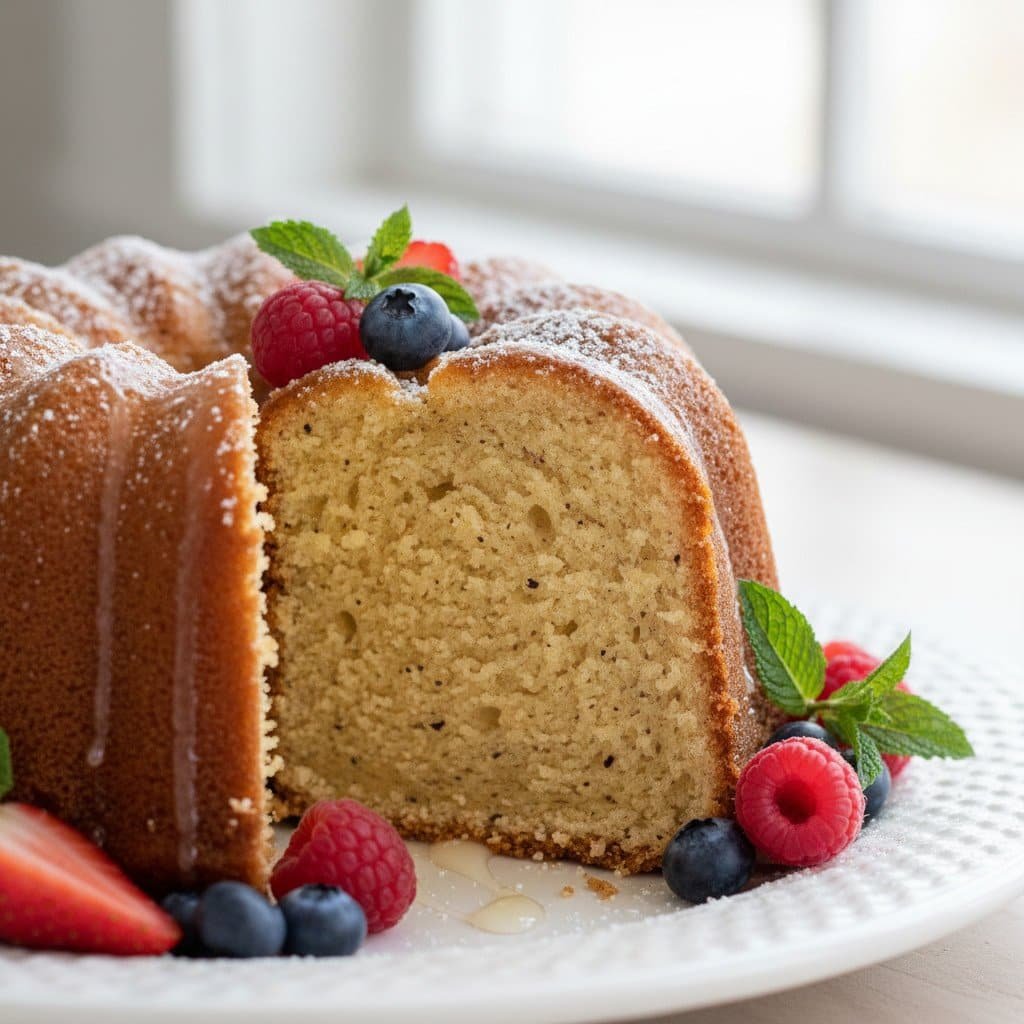
There's something timeless about a classic vanilla pound cake. This buttery, tender dessert has been gracing tables for generations, and for good reason. With its golden crust, moist interior, and rich vanilla flavor, this homemade pound cake is the perfect canvas for fresh berries, a dollop of Greek yogurt, or simply enjoyed on its own with a cup of tea.
This vanilla pound cake recipe delivers that nostalgic, bakery-quality taste while focusing on quality ingredients you can feel good about. Unlike store-bought versions loaded with preservatives and artificial flavors, this buttery cake celebrates real butter, farm-fresh eggs, and pure vanilla extract. The result is a dense yet tender crumb that slices beautifully and stays moist for days.
Whether you're baking for a special occasion or simply want a wholesome treat to have on hand throughout the week, this classic cake recipe is surprisingly straightforward and incredibly rewarding.
Why This Pound Cake Recipe Works
The magic of a traditional pound cake lies in its simplicity and the quality of its ingredients. Historically, pound cakes were made with a pound each of butter, sugar, eggs, and flour, creating a rich, dense cake that could last for days without refrigeration.
This modern version maintains that classic ratio while optimizing the technique for a lighter, more tender crumb. By creaming the butter and sugar thoroughly, we incorporate air that helps the cake rise and creates that signature fine texture. The addition of pure vanilla extract and a touch of natural vanilla bean paste (optional but wonderful) elevates the flavor profile beyond ordinary.
Using real butter instead of margarine or shortening provides incomparable flavor and richness. The fat content in butter contributes to the cake's tender texture while adding those delicious browned butter notes that develop during baking. Meanwhile, farm-fresh eggs at room temperature emulsify better with the butter, creating a smooth, cohesive batter that bakes evenly.
Ingredient Notes
Unsalted Butter: Always use high-quality unsalted butter for the best flavor and to control the salt content. European-style butter with higher fat content will make an even richer cake. Bring it to room temperature for proper creaming.
Organic Cane Sugar: Provides sweetness and helps create the cake's structure. The sugar crystals create air pockets when creamed with butter, contributing to the cake's texture.
Free-Range Eggs: Large eggs at room temperature incorporate more easily into the batter. The proteins in eggs provide structure, while the yolks add richness and moisture.
All-Purpose Flour: The foundation of the cake's structure. For a slightly more nutritious option, you can substitute up to one-third of the all-purpose flour with whole wheat pastry flour without significantly affecting texture.
Pure Vanilla Extract: This is where quality truly matters. Pure vanilla extract provides complex, aromatic flavor that imitation vanilla simply cannot match. If possible, add a teaspoon of vanilla bean paste for even more depth.
Greek Yogurt or Sour Cream: A small amount adds moisture and a subtle tang that balances the sweetness while keeping the crumb tender. Full-fat options work best.
Sea Salt: Enhances all the other flavors and balances the sweetness.
Baking Powder: Just a small amount helps provide a slight lift without compromising the dense, classic texture of a traditional pound cake.
Nutrition Highlights
While pound cake is certainly an indulgent treat, this homemade version offers several nutritional advantages over commercial alternatives. By controlling the ingredients, you avoid artificial flavors, colors, and preservatives commonly found in packaged cakes.
The eggs provide high-quality protein and essential nutrients like choline, vitamin D, and B vitamins. Real butter, enjoyed in moderation, contains fat-soluble vitamins A, E, and K2, along with beneficial fatty acids. When you use organic cane sugar instead of highly refined white sugar, you retain trace minerals.
Consider this cake a special occasion treat or a way to celebrate life's sweet moments mindfully. A single slice paired with fresh berries adds antioxidants, fiber, and vitamin C to your dessert experience. The key is portion awareness and balancing treats like this with a diet rich in whole foods, vegetables, lean proteins, and healthy fats throughout the day.
Equipment Needed
- 9×5-inch loaf pan or 10-inch bundt pan
- Stand mixer or hand mixer
- Mixing bowls
- Rubber spatula
- Measuring cups and spoons
- Cooling rack
- Parchment paper
Step-by-Step Instructions
Step 1: Prepare Your Pan and Ingredients
Preheat your oven to 325°F (165°C). Generously butter your loaf pan and line the bottom with parchment paper, or thoroughly butter and flour a bundt pan. This lower temperature ensures the cake bakes evenly without over-browning the exterior.
Bring all refrigerated ingredients to room temperature. This step is crucial for proper emulsification and a smooth batter.
Step 2: Cream Butter and Sugar
In a stand mixer fitted with the paddle attachment (or using a hand mixer), beat 1 cup (2 sticks) of softened unsalted butter with 1½ cups of organic cane sugar on medium-high speed for 4-5 minutes. The mixture should become pale, fluffy, and nearly double in volume. This process incorporates air and creates the foundation for your cake's texture.
Step 3: Add Eggs
Reduce mixer speed to medium-low. Add 4 large eggs one at a time, beating well after each addition and scraping down the bowl as needed. The mixture may look slightly curdled at first but will come together. Beat in 2 teaspoons of pure vanilla extract.
Step 4: Combine Dry Ingredients
In a separate bowl, whisk together 2 cups of all-purpose flour, ½ teaspoon of baking powder, and ½ teaspoon of sea salt.
Step 5: Incorporate Dry Ingredients
With the mixer on low speed, add the flour mixture in three additions, alternating with ¼ cup of Greek yogurt or sour cream (starting and ending with flour). Mix just until combined after each addition. Overmixing develops gluten and can make the cake tough, so stop as soon as you no longer see flour streaks.
Step 6: Transfer and Smooth
Pour the batter into your prepared pan and smooth the top with a spatula. Tap the pan gently on the counter a few times to release any air bubbles.
Step 7: Bake
Bake for 60-75 minutes for a loaf pan, or 50-60 minutes for a bundt pan. The cake is done when a toothpick inserted into the center comes out with just a few moist crumbs (not wet batter), and the top springs back when lightly pressed. The internal temperature should reach about 200°F.
Step 8: Cool
Let the cake cool in the pan for 15-20 minutes, then carefully turn it out onto a cooling rack. Allow it to cool completely before slicing. This resting period lets the structure set and makes for cleaner slices.
Serving Suggestions
This buttery vanilla pound cake shines in its simplicity, but it also serves as a wonderful foundation for various toppings and accompaniments. Serve thick slices with fresh seasonal berries like strawberries, blueberries, or raspberries for a pop of color, natural sweetness, and added nutrients.
For a special breakfast or brunch, toast slices of pound cake and top with Greek yogurt and a drizzle of raw honey. The slight caramelization from toasting enhances the buttery flavor beautifully.
Create an elegant dessert by layering pound cake slices with coconut whipped cream and macerated berries. The cake's sturdy texture holds up well to moisture without becoming soggy.
For a simple afternoon treat, pair a slice with herbal tea or coffee. The cake's rich flavor complements the subtle bitterness of tea perfectly.
During summer months, serve pound cake alongside grilled peaches or nectarines. The warm fruit juices soak into the cake slightly, creating a delightful texture contrast.
Storage Tips
Proper storage keeps your homemade pound cake fresh and delicious for days. Once completely cooled, wrap the cake tightly in plastic wrap or store in an airtight container at room temperature for up to 4 days. The high butter content actually helps the cake stay moist.
For longer storage, pound cake freezes exceptionally well. Wrap individual slices or the whole cake tightly in plastic wrap, then in aluminum foil, and freeze for up to 3 months. Thaw overnight in the refrigerator or at room temperature for a few hours.
Some bakers argue that pound cake actually improves after a day, as the flavors meld and the texture becomes even more tender. If you have the patience, try baking it a day ahead of when you plan to serve it.
Recipe Variations
Lemon Pound Cake: Add the zest of 2 lemons to the butter and sugar when creaming, and replace 1 teaspoon of vanilla with lemon extract. Drizzle cooled cake with a simple glaze made from powdered sugar and fresh lemon juice.
Almond Pound Cake: Replace 1 teaspoon of vanilla extract with almond extract and fold in ½ cup of finely ground almonds (almond flour) with the regular flour. Top with sliced almonds before baking.
Marble Pound Cake: Reserve 1 cup of batter and stir in 2 tablespoons of unsweetened cocoa powder. Alternate spoonfuls of vanilla and chocolate batter in the pan, then swirl gently with a knife.
Coconut Pound Cake: Replace ½ cup of all-purpose flour with coconut flour (reduce liquid slightly) and fold in ½ cup of unsweetened shredded coconut. Use coconut extract in place of half the vanilla.
Whole Grain Version: Substitute half the all-purpose flour with whole wheat pastry flour or spelt flour for added fiber and nutrients. The texture will be slightly denser but still delicious.
Troubleshooting Common Issues
Dense, Heavy Texture: This usually results from under-creaming the butter and sugar or overmixing after adding flour. Cream the butter and sugar for the full 4-5 minutes, and mix the final batter just until combined.
Dry Cake: Overbaking is the most common culprit. Start checking your cake 5-10 minutes before the recommended time, as oven temperatures vary. A few moist crumbs on the toothpick are perfect.
Crack on Top: This is actually traditional for pound cakes and adds rustic charm! If you prefer a smooth top, reduce oven temperature by 25°F and bake slightly longer.
Cake Sticks to Pan: Always butter generously and use parchment paper on the bottom. Let the cake cool for the full 15-20 minutes before attempting to remove it.
Uneven Rising: Ensure all ingredients are at room temperature and that your oven temperature is accurate. An oven thermometer is a worthwhile investment.
Tips for Success
Start with quality ingredients, especially butter and vanilla. These two components define the flavor of your pound cake, so don't skimp.
Room temperature ingredients are non-negotiable. Cold eggs and butter won't emulsify properly, resulting in a dense, uneven cake.
Don't rush the creaming process. Those 4-5 minutes of beating butter and sugar create the air pockets that give pound cake its characteristic texture.
Measure flour correctly by spooning it into measuring cups and leveling off, rather than scooping directly from the bag. Scooping packs in too much flour, making the cake dry.
Resist opening the oven door during the first 45 minutes of baking. Temperature fluctuations can cause the cake to sink or bake unevenly.
Conclusion
This classic vanilla pound cake recipe proves that simple ingredients, when handled with care, create extraordinary results. The buttery richness, tender crumb, and pure vanilla flavor make this homemade pound cake a versatile dessert that works for any occasion, from casual family dinners to elegant celebrations.
By making your own pound cake, you control exactly what goes into your dessert, avoiding the additives and preservatives in commercial versions. The process itself is meditative and rewarding, filling your kitchen with the irresistible aroma of butter and vanilla.
Whether you enjoy it plain, dressed up with fresh fruit, or transformed into one of the many variations, this buttery cake is sure to become a treasured recipe in your collection. The best part? Once you master this foundational recipe, you'll find endless ways to adapt it to your tastes and the seasons. Happy baking!
Vanilla Pound Cake Recipe (Buttery and Classic)
A buttery vanilla pound cake with a tender crumb, perfect for slicing and serving with fruit.
Ingredients
- 1 1/2 cups unsalted butter, softened
- 3 cups granulated sugar
- 6 large eggs, room temperature
- 3 cups all-purpose flour
- 1/4 teaspoon baking soda
- 1/4 teaspoon salt
- 1 cup sour cream, room temperature
- 2 teaspoons vanilla extract
- 1/2 teaspoon almond extract
Instructions
- Preheat oven to 325 degrees F. Grease and flour a 10-inch bundt pan or tube pan.
- In a large bowl, cream together the softened butter and sugar until light and fluffy, about 5 minutes.
- Add eggs one at a time, beating well after each addition.
- In a separate bowl, whisk together flour, baking soda, and salt.
- In another bowl, combine sour cream, vanilla extract, and almond extract.
- Add the flour mixture to the butter mixture alternately with the sour cream mixture, beginning and ending with flour. Mix until just combined.
- Pour batter into prepared pan and smooth the top.
- Bake for 1 hour and 15 minutes, or until a toothpick inserted in the center comes out clean.
- Cool in pan for 15 minutes, then turn out onto a wire rack to cool completely.
- Slice and serve plain or with fresh fruit, whipped cream, or a dusting of powdered sugar.
Equipment
- 10-inch bundt pan or tube pan
- Large mixing bowl
- Medium mixing bowls
- Electric mixer
- Whisk
- Rubber spatula
- Wire cooling rack
- Toothpick
Notes
- Make sure all ingredients are at room temperature for best results.
- Do not overmix the batter once flour is added to maintain a tender crumb.
- Cake can be stored covered at room temperature for up to 4 days.
- For extra flavor, add 1 tablespoon of lemon zest to the batter.
- This cake freezes well for up to 3 months when wrapped tightly.